








Here's what we'll cover
Fibre supplements can be useful, especially for specific problems like constipation or cholesterol, and psyllium in particular has decent evidence. But for general health, the variety of fibre in whole foods does more than any single powder, and most people would be better off eating more plants than buying a supplement.
Why fibre matters
Fibre is the part of plant foods your body cannot fully digest. It keeps bowel movements regular, feeds the bacteria in your large intestine, helps manage blood sugar and cholesterol, and adds to fullness. The UK recommendation is 30g a day for adults, and most people fall well short: the average intake is closer to 20g.
The 30g figure is not arbitrary. It comes from the SACN Carbohydrates and Health report, which reviewed the evidence and found that higher fibre intakes are associated with lower rates of cardiovascular disease, type 2 diabetes and bowel cancer. Population studies suggest the benefit builds with every extra few grams a day, so even part of the way to 30g is worth having.
Food fibre is not one thing
"Fibre" is a catch-all for many different types with different effects. Soluble fibre forms a gel that can help cholesterol and blood sugar; insoluble fibre adds bulk and speeds transit; fermentable fibres feed gut bacteria that produce beneficial compounds. Whole foods deliver a mix, and different plants feed different microbes. A single supplement provides one or two types, so it cannot reproduce the diversity that comes from eating a range of vegetables, fruit, wholegrains, beans, nuts and seeds.
This diversity is also why food fibre tends to do more for the gut microbiome than a capsule, the same reason food beats most probiotic supplements for everyday gut health.
Whole foods also bundle fibre with everything that travels alongside it: vitamins, minerals, polyphenols and slow-release carbohydrate. A fibre powder stirred into water delivers none of that, which is one reason studies of high-fibre diets show broader benefits than studies of isolated fibre supplements.
Where fibre supplements earn their place
Fibre supplements are not pointless. They suit specific situations:
- Psyllium husk, a soluble fibre, has reasonable evidence for easing constipation and modestly lowering cholesterol.
- People who struggle to eat enough fibre through food, for example during illness or with a restricted appetite.
- Managing certain bowel symptoms, sometimes on the advice of a GP or dietitian.
On the cholesterol point, the evidence is specific enough that regulators allow a claim for it: around 7 to 10g of psyllium a day has been shown to produce a modest reduction in LDL cholesterol in trials. It is a useful adjunct, not a substitute for the bigger levers of diet, activity and any treatment your GP recommends.
If you use one, increase the dose gradually and drink enough water, or you may simply swap one bout of discomfort for another: bloating and wind are common when fibre goes up too fast.
It is worth distinguishing between fibre supplements and laxatives, which are sometimes confused. A bulk-forming fibre like psyllium works with your natural digestion and is generally gentle. Stimulant laxatives act differently and are not something to rely on routinely without advice. If constipation is persistent or new, it is worth speaking to a pharmacist or GP rather than reaching straight for a supplement.
Fibre when your appetite is reduced
One group for whom the supplement question is genuinely live is people eating much less than usual, whether through illness, ageing or appetite-reducing weight-loss treatment. Smaller meals mean less fibre by default, and constipation is a common side effect of GLP-1 treatment partly for that reason.
In that situation, prioritise fibre-dense foods that do not demand a big appetite: a tablespoon of chia or ground linseed stirred into yoghurt, berries, oats, or half a tin of beans added to a small meal. A measured psyllium supplement, built up slowly with plenty of fluid, is a reasonable bridge while eating is limited. The principle from our guide to whether you need supplements at all applies here: supplements are for gaps you cannot close with food, not a first resort.
How to close the gap with food
Reaching 30g is easier than it sounds if you make a few consistent swaps. The British Dietetic Association fibre fact sheet sets out portions in detail, but the pattern is simple:
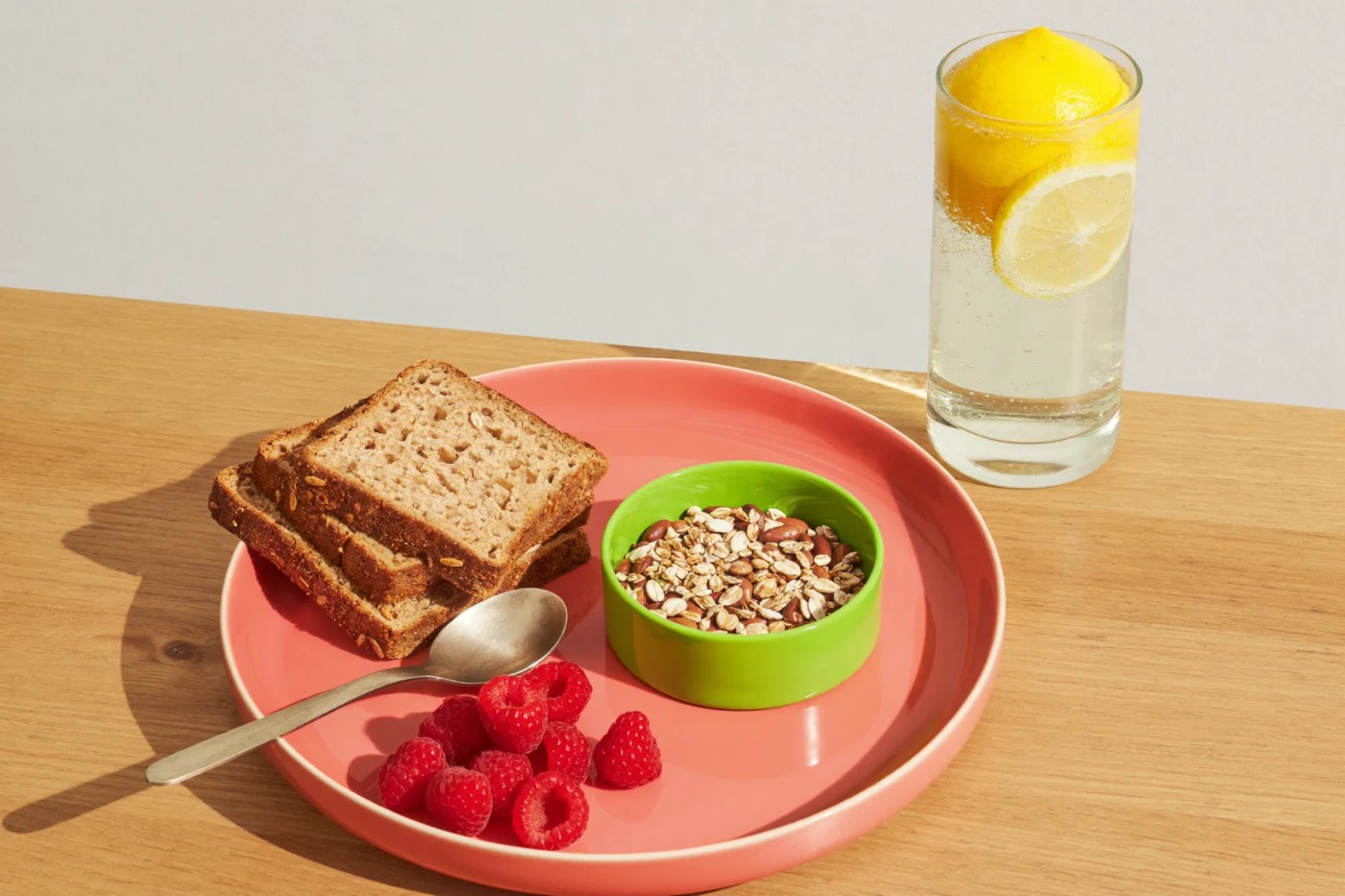
- Choose wholegrain versions of bread, pasta and cereal over white.
- Leave skins on potatoes and eat a range of vegetables and fruit, aiming for variety across the week.
- Add beans, lentils and chickpeas to meals: they are among the richest fibre sources.
- Snack on nuts, seeds or fruit rather than refined options.
To make that concrete: a bowl of porridge is around 4g, a slice of wholemeal bread 2 to 3g, half a tin of baked beans around 7g, an apple with skin around 2g, and a handful of almonds around 3g. Stack a few of those through the day and 30g stops looking daunting. Higher-fibre eating patterns also support steadier blood sugar and better fullness between meals, which is a quiet bonus if you are managing your weight.
The honest bottom line
For most people, the answer is not "which fibre supplement?" but "how do I eat more plants?" A supplement like psyllium is a reasonable tool for a specific need, but it works best alongside a fibre-rich diet, not instead of one. There is also a cost angle: a bag of dried lentils delivers far more fibre, and far more besides, per pound than a tub of fibre powder. If you are managing digestion during treatment or big diet changes, our guide to fibre and digestive health goes further.