







Here's what we'll cover
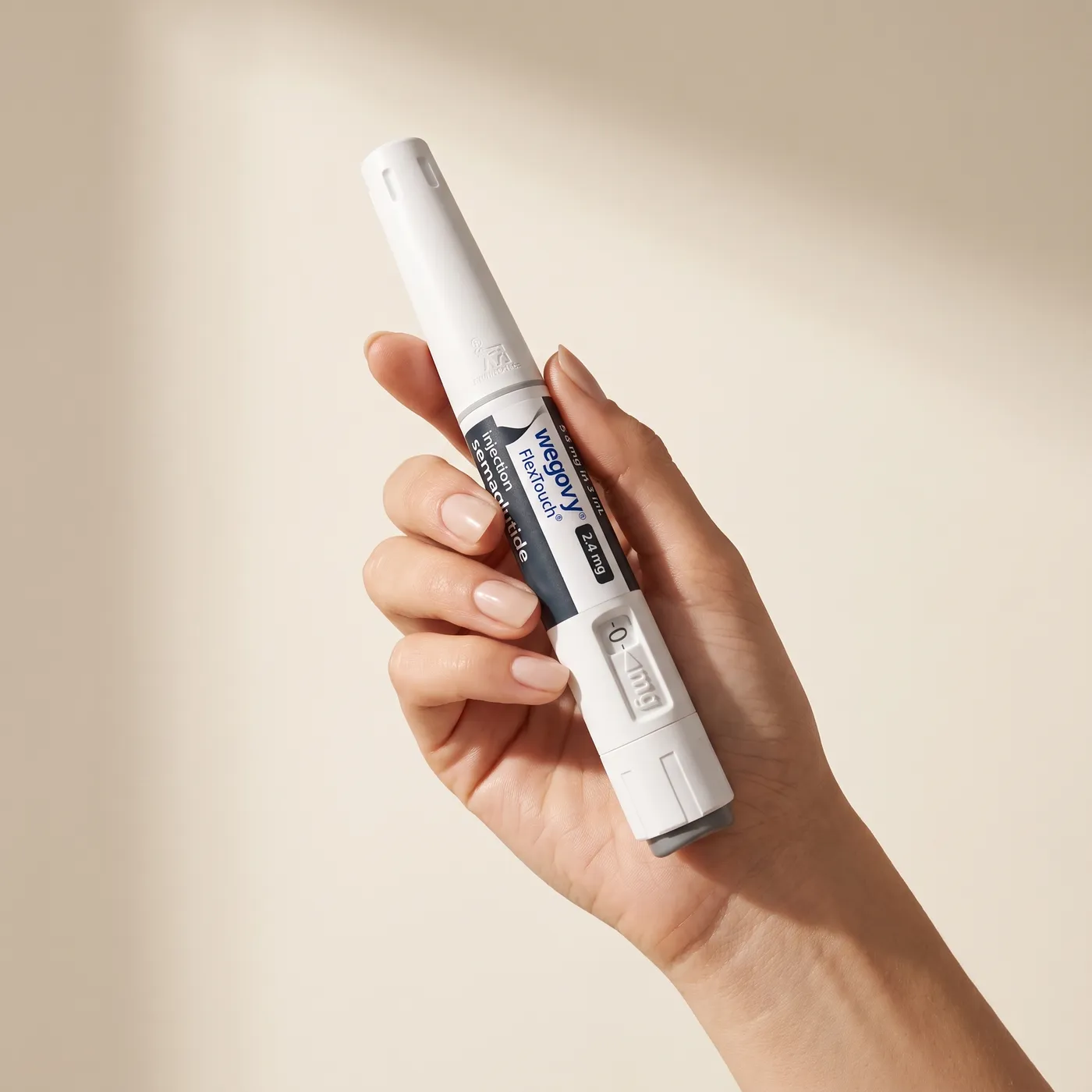
Mounjaro constipation is a common digestive effect: because the medicine slows how quickly the gut moves, stools can pass less often. The same slowing helps GLP-1 treatment work, but it can also bring reflux, bloating and general indigestion. Steady changes to fluids, fibre and meal size ease most of it.
This guide covers constipation on Mounjaro and the other digestive effects of GLP-1 treatment, what helps each, and when a symptom is worth getting checked. The reassuring theme is that most of these are predictable, manageable and temporary, and a few steady habits prevent much of the discomfort.
Why does Mounjaro cause constipation?
Mounjaro and other GLP-1 medicines slow the movement of the gut as part of how they reduce appetite, so food and waste move through more slowly and stools can become harder and less frequent. Eating and drinking less, which is common on treatment, adds to it. The mainstays are more fluid, more fibre and gentle movement:
- Drink water regularly through the day.
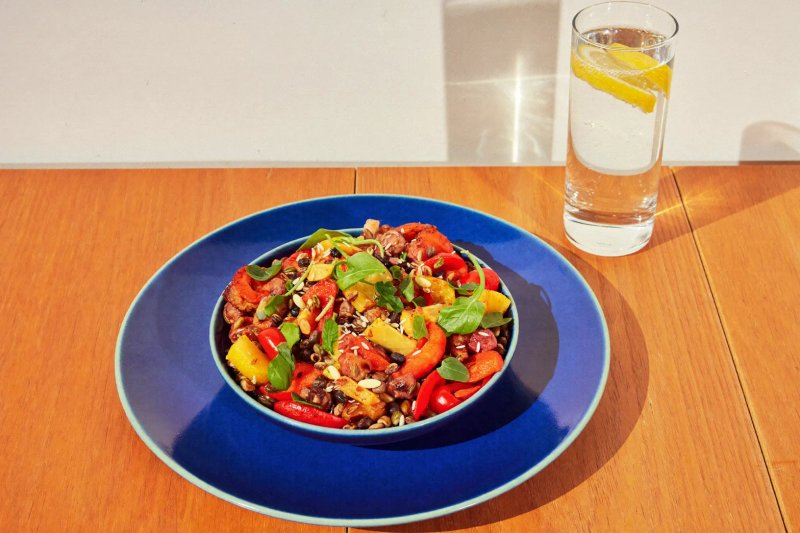
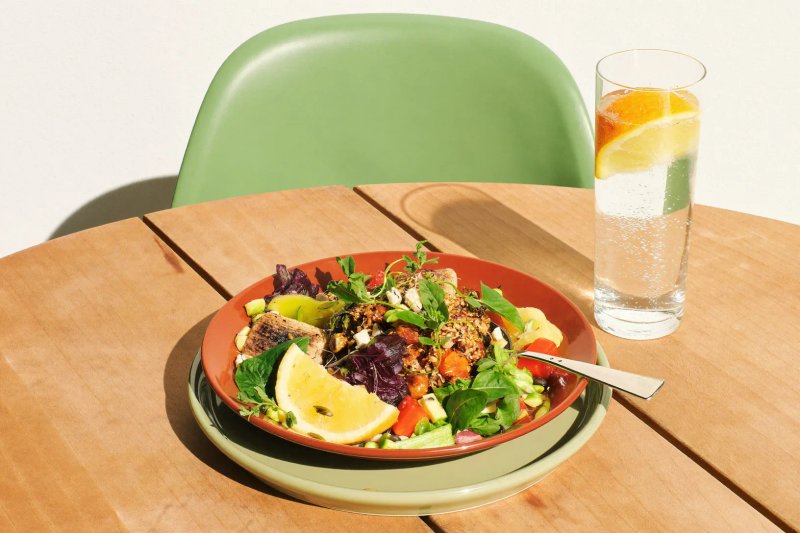
- Increase fibre gradually, from vegetables, fruit, wholegrains and pulses.
- Move your body daily; even a short walk helps the gut.
- Do not ignore the urge to go.
The NHS guide to getting more fibre into your diet is a practical starting point, and our own guide to fibre and digestive health goes further. Most UK adults are advised to aim for around 30g of fibre a day, though building towards that gradually matters more than hitting it overnight.
If constipation persists despite fluids, fibre and movement, ask your pharmacy team before starting any laxative, as they can advise which type suits you. Do not ignore it: staying on top of constipation early is easier than clearing it once it is entrenched. Very rarely, a sudden, severe change with bloating and vomiting can signal a blockage and needs urgent consultation rather than home management.
It helps to think about the type of fibre, not just the amount. Soluble fibre, found in oats, beans, apples and psyllium, draws in water and softens stools, which is often the more useful kind for constipation. Insoluble fibre, from wholegrains and vegetable skins, adds bulk. A mix of both, with enough fluid, works best; fibre without fluid can make matters worse. Spreading fibre across meals rather than loading it into one sitting reduces wind.
Reflux and indigestion
Slower stomach emptying can also cause reflux, burping or a feeling of fullness high in the stomach. Smaller meals, not lying down soon after eating, and easing off very fatty or spicy foods usually help. If reflux is frequent or troubling, mention it to your clinician rather than relying on remedies indefinitely.
Reflux is worth taking seriously if it is frequent, because acid sitting in the gullet can be uncomfortable and, over time, irritating. Simple measures such as not eating late, propping yourself up in bed, and trimming portion sizes often help alongside the medicine's own effect settling. Persistent reflux should be reviewed rather than managed indefinitely with over-the-counter remedies.
Wind and bloating
Some wind and bloating is common, particularly as your diet and fibre intake change. Eating slowly, chewing well and building fibre up gradually all reduce it, and it tends to settle as your body adjusts. Staying well hydrated helps fibre do its job comfortably. Fizzy drinks and eating quickly can add swallowed air, so slowing down at meals often makes a noticeable difference.
Persistent bloating that does not settle, or that comes with pain, is worth mentioning at review rather than simply enduring. For most people, though, it is a passing feature of the early weeks and of dietary change, and it responds well to eating more slowly, chewing thoroughly and adjusting fibre gradually rather than in a rush.
Diarrhoea
Some people get looser stools rather than constipation, and a few notice the two alternating. Staying hydrated is the priority, and it is worth replacing fluids lost if diarrhoea is frequent. Avoid stopping treatment on your own; instead, let your prescriber know so they can advise. If diarrhoea is severe, persistent, or comes with signs of dehydration, contact your clinician. These effects overlap with the wider GLP-1 side effects and usually settle as each dose beds in. Nausea often travels alongside them early on, and our guide to managing nausea covers that side.
Preventing digestive effects before they start
Much of this is easier to prevent than to treat. Building fibre and fluid up steadily from the start of treatment, rather than waiting for constipation to arrive, keeps things moving. Eating to comfortable fullness rather than beyond reduces reflux and bloating. Daily movement, even a short walk after meals, supports the gut. These are the same habits that help across the first 12 weeks of treatment, so they earn their place several times over.
When should I get digestive symptoms checked?
Digestive effects that are severe, persistent, or interfering with daily life are worth reviewing. Severe abdominal pain, especially spreading to the back, needs urgent consultation. Otherwise, your clinical team can help you manage symptoms or adjust the plan. The Mounjaro product information lists the digestive effects to expect, and most settle as your body adjusts to each dose.