







Here's what we'll cover
When hair starts shedding, the supplement aisle is usually the first stop, which is backwards. Nutritional deficiency genuinely causes hair loss, but only some deficiencies, only sometimes, and the way to find out is a blood test that costs the NHS pennies rather than a gummy subscription that costs you a fortune. This guide ranks the nutrients by how often they are actually the culprit, explains what deficiency shedding looks like, and sets out the testing route that answers the question properly.
What deficiency hair loss looks like
Nutrient shortfalls cause hair loss through telogen effluvium: the body, sensing scarce resources, pushes a larger-than-normal share of follicles from growth into the resting phase, and two to four months later those hairs shed together. The result is diffuse thinning across the whole scalp, more hair in the brush, the plughole and on the pillow, rather than a receding pattern or a widening parting concentrated at crown and temples. That distinction is diagnostic gold. Patterned loss points to hereditary, hormone-driven causes with their own treatments; diffuse shedding points to a stressor, and deficiency is one of the stressors worth hunting. If your loss is patterned, no vitamin will reverse it, and our guides to pattern loss cover the treatments that can.
Iron: the first suspect, especially for women
Iron deficiency is the nutritional cause with the strongest claim to routine testing, because it is common where hair loss is common: women with heavy periods, pregnancy and postpartum recovery, vegetarian and vegan diets, frequent blood donors, and anyone with undiagnosed gut conditions affecting absorption. Hair follicles are among the body's most rapidly dividing tissues and feel an iron squeeze early, often before anaemia develops; low ferritin, the storage measure, associates with shedding in multiple studies even when haemoglobin is still normal. The accompanying clues are familiar: fatigue, breathlessness on stairs, pale skin, brittle nails. Testing is a standard GP blood panel including ferritin. If it is low, treating the deficiency and its cause matters more than any topical, and regrowth follows over months as the cycle normalises. Do not supplement iron blind: excess iron is genuinely harmful, and self-diagnosis by symptom is unreliable.
Vitamin D, zinc and B12: real but less frequent
Three more deserve their place on the test form. Vitamin D receptors sit in the follicle itself and participate in cycling; low vitamin D is repeatedly associated with telogen effluvium and with alopecia areata, and given how widespread insufficiency is in the UK, official advice already recommends a daily supplement through autumn and winter for everyone. Zinc deficiency causes hair loss alongside skin changes and taste disturbance; it is uncommon on a varied diet but appears with restrictive eating, gut disease and heavy alcohol use. B12 deficiency, common in vegans, older adults and people on long-term acid-suppressing medicines or metformin, causes fatigue and neurological symptoms with hair changes as a supporting act. Each is checkable, each is cheaply correctable, and each corrects shedding only when it was actually the cause, which is the recurring theme of this subject.
The other nutritional route to shedding: not eating enough
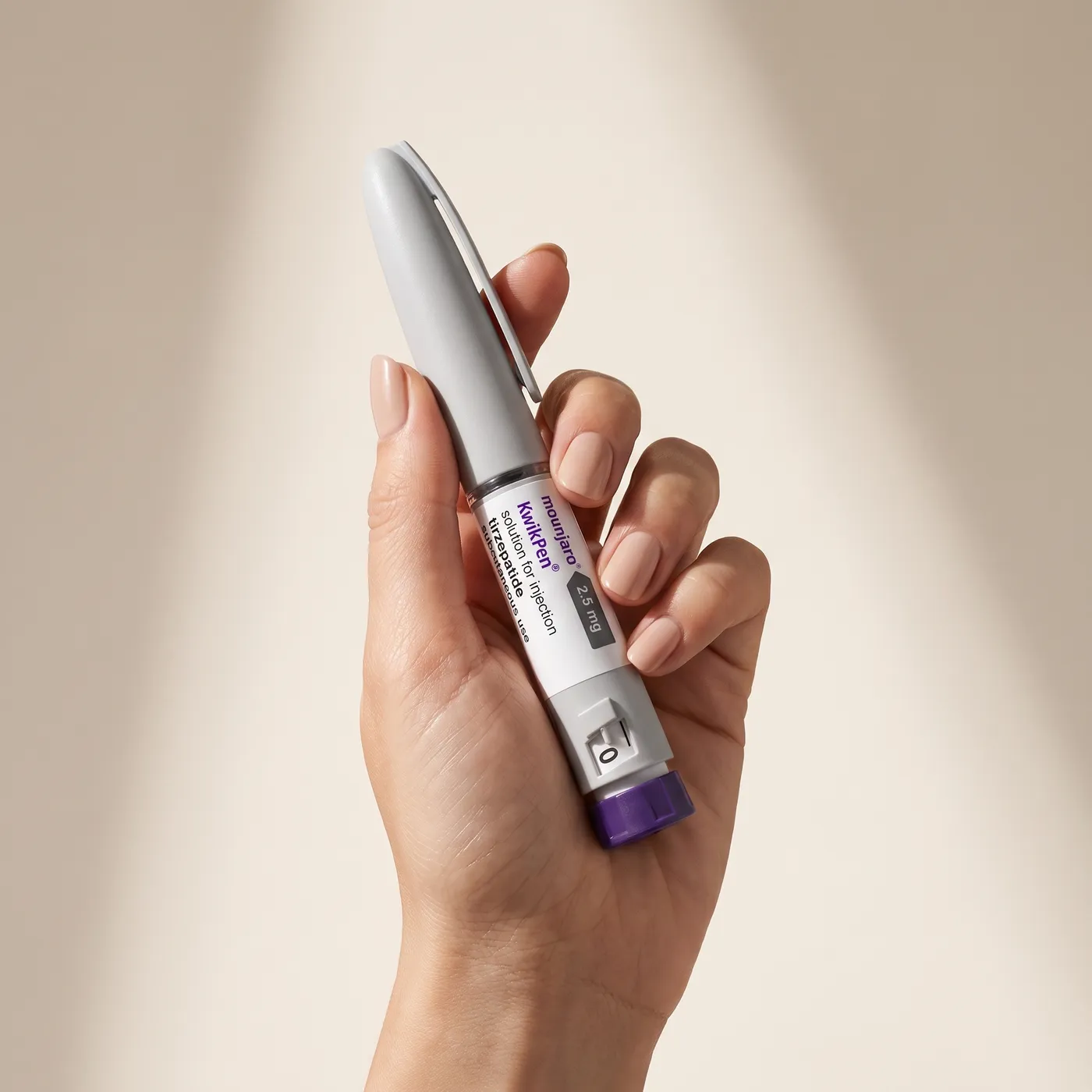
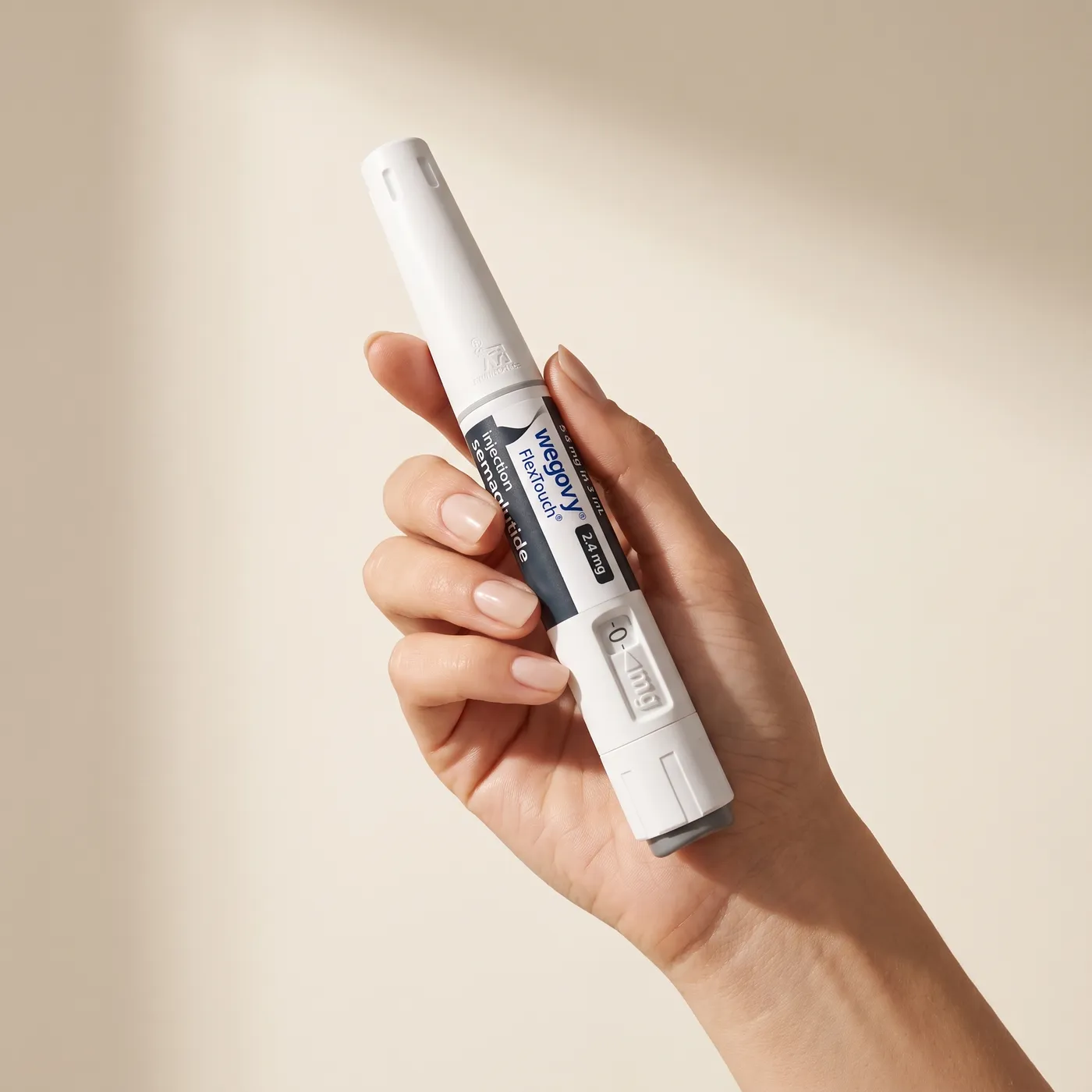
Deficiency is not only about single vitamins. Crash diets, very low-calorie regimes and rapid weight loss from any cause, including weight-loss medication, reliably trigger telogen effluvium two to four months later, driven by the energy and protein shortfall rather than any one micronutrient. Hair is metabolically expensive and biologically optional, so it is among the first budgets the body cuts. The protective factors are unglamorous: adequate protein at every meal, a rate of loss that is ambitious rather than punishing, and micronutrient basics covered while intake is reduced. If you are losing weight deliberately and shedding, our article on hair shedding during rapid weight loss covers why it happens and why it almost always reverses.
How to actually get answers
The efficient route is one GP appointment framed clearly: diffuse hair shedding, please check the usual causes. A standard panel covers full blood count, ferritin, thyroid function, and vitamin D, B12 and folate where indicated; thyroid disease sits on the same list because it mimics deficiency shedding closely and is similarly fixable. It helps to arrive with the timeline written down, when the shedding started, any illness, medication change, delivery or diet change in the three or four months before, because telogen effluvium's built-in delay means the trigger usually predates the shedding by a season. Take the results conversation seriously even when everything is normal, because normal results are informative: they redirect attention to the other big drivers of diffuse shedding, stress, illness, medication changes, and hormonal shifts, rather than leaving you cycling through supplements. And if a deficiency is found, treat it at proper doses under advice, then give the hair cycle its due: shedding stops within a few months and visible density returns over six to twelve, because hair repairs on its own slow clock.
The ranking, then: iron first, especially for women; vitamin D, zinc and B12 as genuine but less frequent causes; overall energy and protein intake as the systemic version of the same problem; and biotin as marketing with a side of laboratory interference. Test before supplementing, treat what the numbers show, and match your patience to the hair cycle rather than the product's promises. For the wider map of causes beyond nutrition, see our guides to what causes hair loss in women and telogen effluvium versus pattern loss.