





Here's what we'll cover
Semaglutide works by copying a natural hormone your gut releases after eating, called GLP-1. By extending that signal it reduces appetite, slows stomach emptying and helps you feel full for longer, which makes eating less feel manageable rather than a constant effort. In the UK it is prescribed for weight management as Wegovy.
What is semaglutide?
Semaglutide is a GLP-1 receptor agonist, a medicine originally developed for type 2 diabetes that was later licensed for weight management after trials showed substantial weight loss. The Wegovy product information sets out the UK licence, and NICE recommends semaglutide for managing overweight and obesity in adults who meet specific criteria. It is a prescription-only medicine, available through NHS specialist services and regulated private providers.
What GLP-1 does
GLP-1 (glucagon-like peptide-1) is released by the intestine when you eat. It prompts the pancreas to release insulin as blood sugar rises, slows how quickly the stomach empties, and tells the brain you have had enough. Your own GLP-1 lasts only minutes; semaglutide is engineered to stay active for about a week.
The result is a steadier, quieter appetite: smaller portions feel satisfying, hunger between meals eases, and the constant background pull towards food tends to settle.
This appetite signalling is the heart of how semaglutide works for weight loss. Our guides to how GLP-1 weight-loss treatments work and appetite signalling explain the biology in more depth.
Does semaglutide work? What the trials show
In the STEP 1 trial, adults with obesity or overweight taking once-weekly semaglutide 2.4 mg lost an average of around 15% of their body weight over 68 weeks, compared with about 2% on placebo. Roughly a third of participants lost 20% or more. Everyone in the trial also received diet and activity support, so the results reflect medicine plus lifestyle change together.
Individual responses vary widely around those averages. Appetite usually quietens within the first few weeks, while weight change builds gradually over months as the dose steps up from 0.25 mg towards the 2.4 mg maintenance dose. The NHS page on semaglutide covers general information about taking it.
The effect also depends on continuing treatment. Appetite returns when the medicine is stopped, and some regain is common without a maintenance plan; our article on stopping GLP-1 treatment explains what that transition involves and how to protect the progress you have made.
What semaglutide does to blood sugar
GLP-1 is involved in glucose control as well as appetite, which is why semaglutide began life as a diabetes medicine. When blood sugar rises after a meal, semaglutide prompts the pancreas to release insulin and dampens glucagon, the hormone that tells the liver to release stored glucose. The effect is glucose-dependent: it works when blood sugar is high, which is why semaglutide on its own rarely causes low blood sugar.
For people using it for weight management, this shows up as steadier energy across the day rather than anything dramatic. Fewer sharp swings in blood sugar can also mean fewer sharp swings in hunger, which reinforces the appetite effect.
One ingredient, more than one name
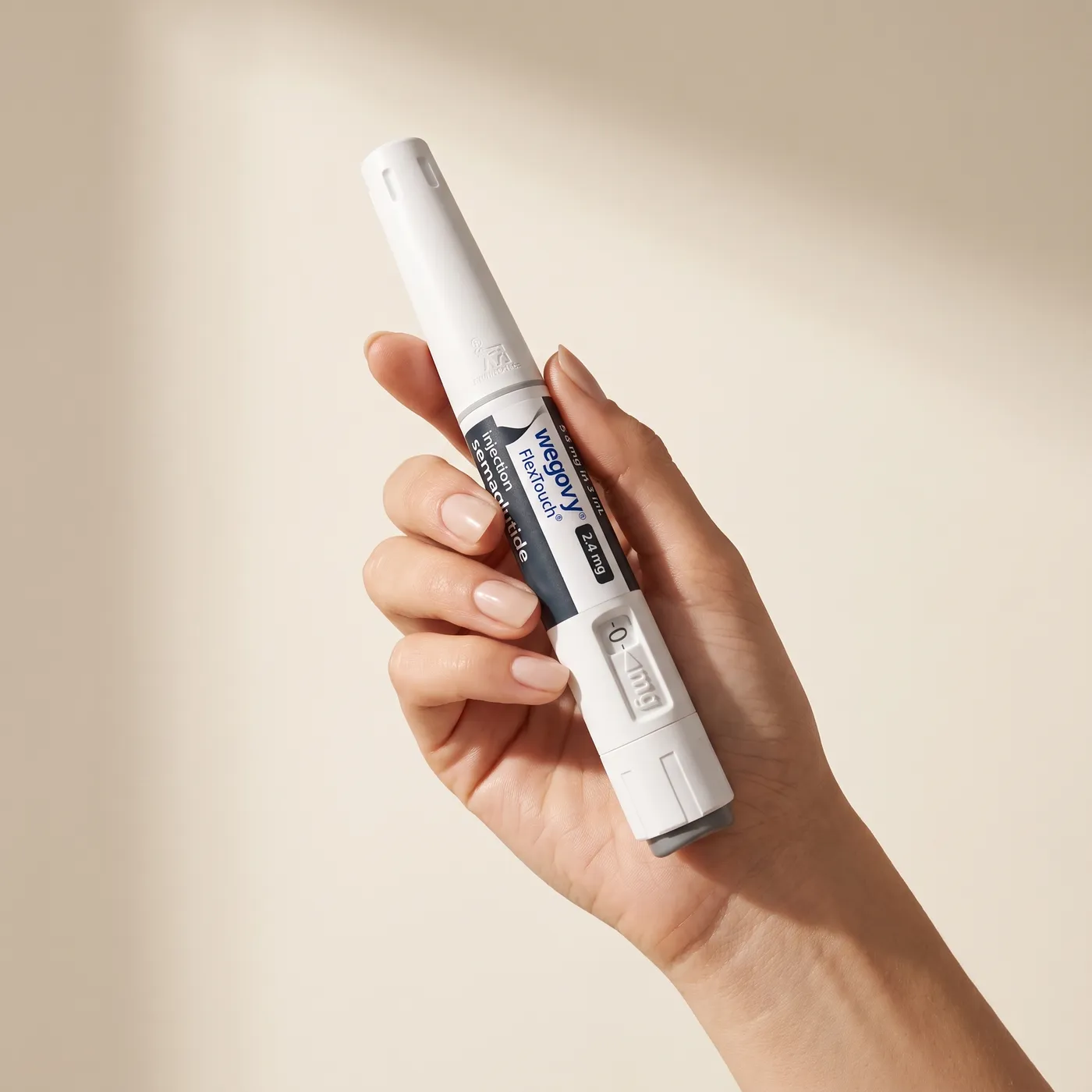
This is where people often get confused. Semaglutide is the active ingredient. In the UK it is licensed for weight management under the brand name Wegovy, and separately for type 2 diabetes under a different brand name. The medicines contain the same ingredient but are licensed, dosed and prescribed for different purposes. Curate prescribes for weight management, so the relevant product here is Wegovy.
Injection and tablet forms
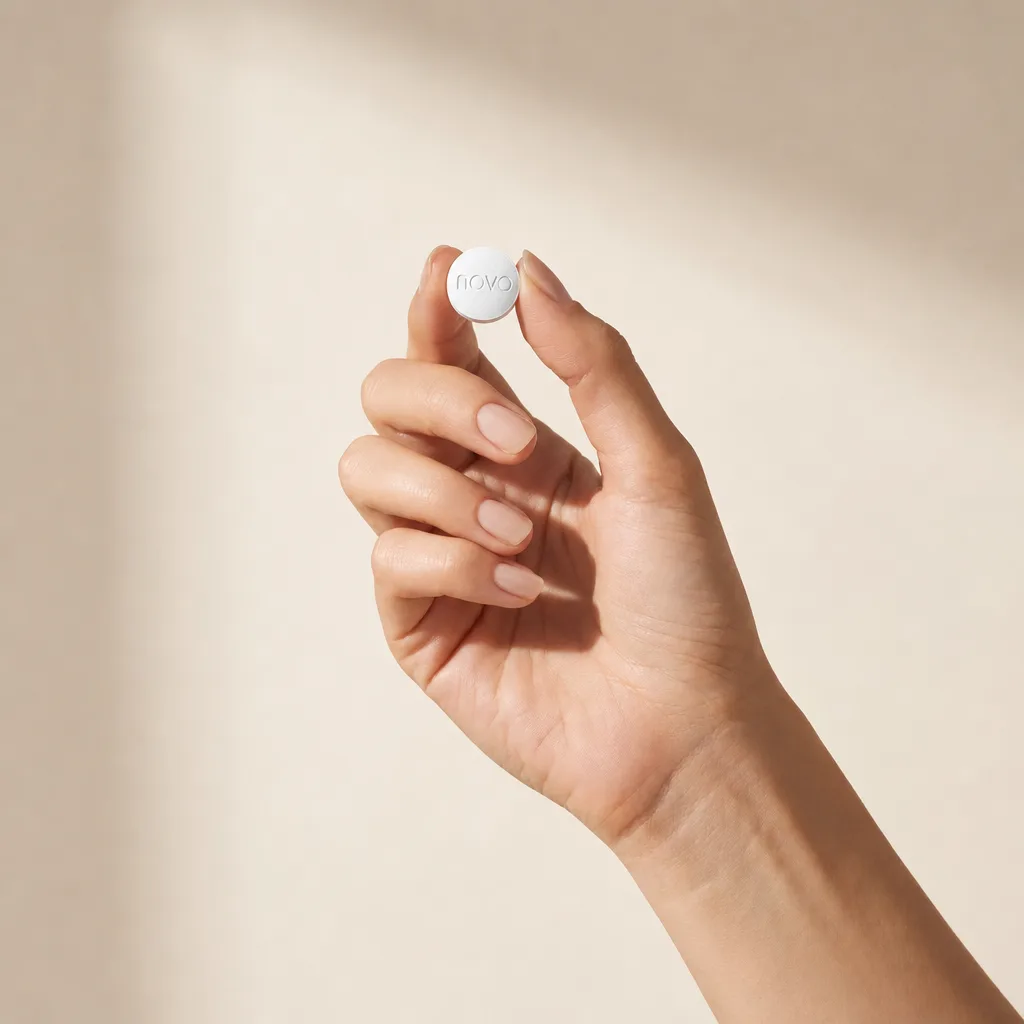
Semaglutide is best known as a weekly injection, but a daily tablet form, the Wegovy Pill, is also available in the UK. The active ingredient is the same; the difference is how it is taken and the routine each requires. A prescriber can talk through which format fits your life.
The injection and the tablet reach the body differently: the tablet is taken daily on an empty stomach, while the injection is once weekly. Our comparison of oral vs injectable GLP-1 treatment weighs up the practical differences.
What to expect week by week
Treatment starts at 0.25 mg once weekly, a deliberately low dose that primes the digestive system rather than driving weight loss. The dose then steps up roughly every four weeks, through 0.5 mg, 1 mg and 1.7 mg, towards the 2.4 mg maintenance dose. Many people notice appetite changes at the lower doses; others feel little until later steps.
Digestive symptoms, if they come, tend to arrive in the first weeks and for a few days after each increase, then fade. If a step feels rough, prescribers can hold a dose for longer before moving up. Weight change is usually modest in the first month and accumulates steadily from there.
What it does not do
Semaglutide reduces appetite; it does not override the need to eat well or stay active. It works best as part of a plan, and it is a prescription-only medicine with eligibility criteria and cautions that a UK prescriber assesses before and during treatment.
Like all GLP-1 medicines, semaglutide commonly causes digestive side effects, particularly nausea in the early weeks and after dose increases. These usually settle as the body adjusts; our guide to Wegovy side effects covers what to expect and what helps.
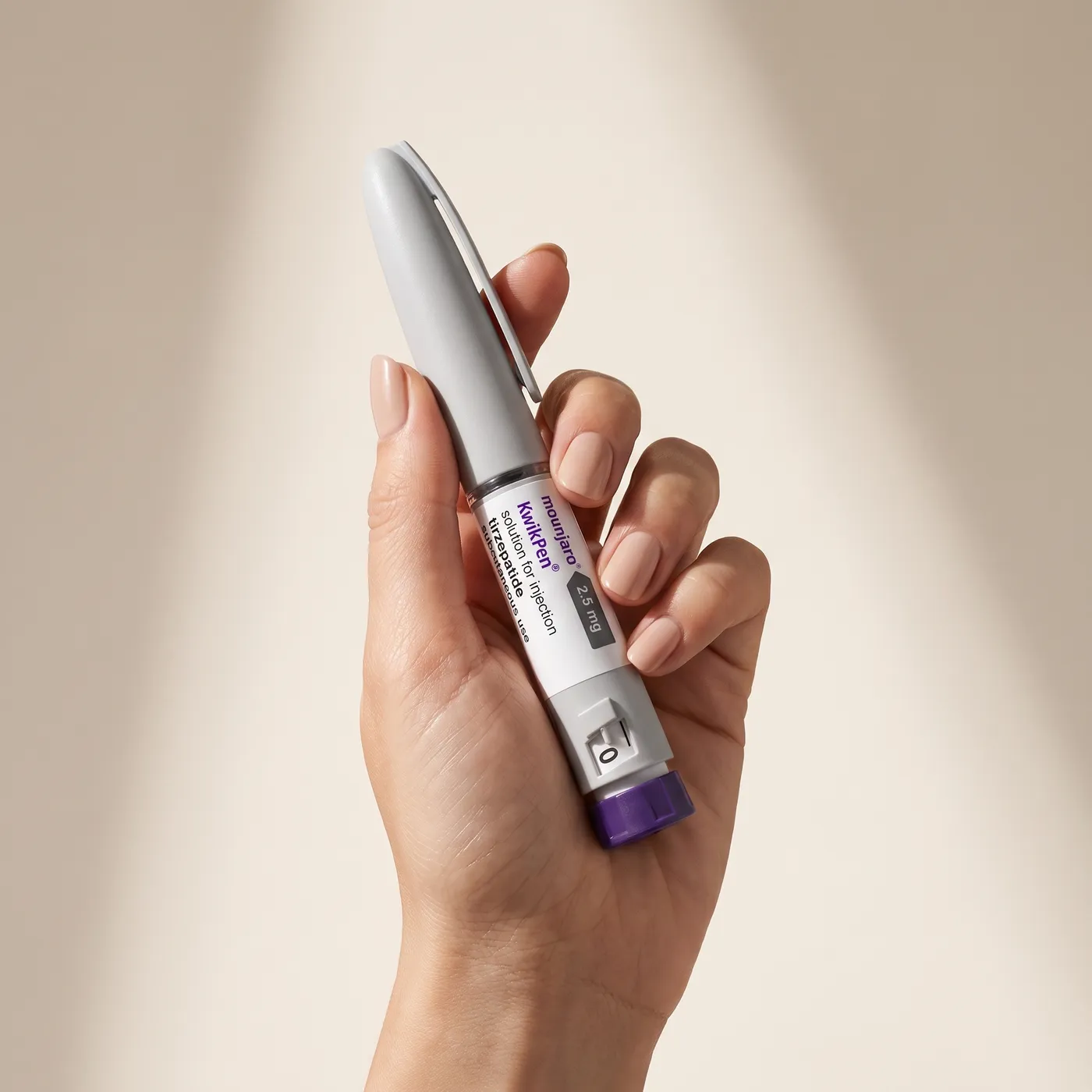
Semaglutide is also not the only option. Tirzepatide, prescribed as Mounjaro, works on two gut-hormone receptors rather than one; see how Mounjaro works for the comparison. A UK prescriber weighs up your health history, other medicines and preferences before recommending either.