





Here's what we'll cover
It is the right question to ask before injecting anything weekly for months or years, and it deserves a better answer than either camp usually gives. The enthusiast answer, that these medicines are trouble-free, understates real side effects and real exclusions. The alarmist answer, built from headlines, ignores that GLP-1 medicines have been prescribed for nearly two decades, first in type 2 diabetes and now in weight management, and sit among the most heavily studied drugs in current use. The truthful picture has three layers: what is common and manageable, what is rare and serious, and what depends entirely on how you obtain the treatment.
What the licensing actually means
The injectable weight loss medicines available in the UK hold marketing authorisations from the MHRA, granted on the back of large randomised trials: the STEP programme for semaglutide and the SURMOUNT programme for tirzepatide, each enrolling thousands of participants followed for well over a year. Beyond trials, the same molecules' diabetes formulations have accumulated years of real-world use across millions of patients, with safety monitored continuously through pharmacovigilance systems. Licensing does not mean free of all risk; no effective medicine is. It means the risks are characterised, quantified and judged acceptable against the benefits for the licensed population, which is people meeting BMI and health criteria, prescribed after an individual consultation. That last clause carries more of the safety weight than most people realise.
The common effects: uncomfortable, rarely dangerous
The everyday safety story is digestive. Nausea affects a large minority of users, especially in the first weeks and after dose increases; constipation, diarrhoea, reflux and burping are all common; vomiting affects a smaller group. These effects are the direct consequence of the mechanism, slowed stomach emptying and central appetite suppression, and they follow a predictable arc: worst during titration, easing as the body adapts. They are managed with slower dose escalation, smaller meals, hydration and simple adjustments, and they drive discontinuation in only a minority. Fatigue, headaches and dizziness appear on the common list too, usually reflecting the sudden calorie deficit more than the drug. None of this is trivial to live through, but it is the profile of an adjustment period, not of harm accumulating.
The rare risks, honestly stated
A handful of serious risks appear across the trial and surveillance data at low frequency. Acute pancreatitis is the most cited: it is rare, presents as severe persistent abdominal pain often radiating to the back, and is the reason that symptom always warrants urgent consultation. Gallbladder disease, including gallstones, occurs more often on treatment, partly because rapid weight loss itself promotes stone formation. Severe dehydration from persistent vomiting can strain the kidneys. In people using insulin or sulfonylureas alongside, low blood sugar becomes a genuine combination risk requiring dose adjustments. Rodent studies of GLP-1 medicines showed thyroid C-cell tumours, which is why a personal or family history of medullary thyroid cancer or MEN2 syndrome is a contraindication, though the human relevance remains unconfirmed. Set against these, trial data also shows cardiovascular benefit: semaglutide reduced major cardiac events by around a fifth in the SELECT trial of people with existing heart disease. A fair reading is that for appropriately selected patients, the serious-risk column is thin and the benefit column is not.
Who should not use them
Safety is partly about exclusions, and the list is specific. Pregnancy is the firmest: these medicines are not used while pregnant, when trying to conceive or while breastfeeding, and effective contraception matters during treatment. A history of pancreatitis, severe gastrointestinal disease such as gastroparesis, medullary thyroid cancer or MEN2 in the family, and significant eating disorder history all argue against treatment or require specialist input. People with diabetic eye disease need monitoring, since rapid glucose improvement can transiently worsen retinopathy. And people without excess weight to lose fall outside the licence entirely: using appetite suppression for aesthetic fine-tuning shifts the risk-benefit calculation decisively in the wrong direction. A proper prescriber screens for every item on this list before any pen is dispensed, which is precisely the point of the consultation.
The safety variable nobody can trial: where you get it
Every number above comes from licensed medicine, prescribed after consultation and dispensed through a regulated pharmacy. None of it applies to the parallel market: unlicensed vials from social media sellers, beauty clinics offering injections without prescriptions, or imported products of unknown composition. UK regulators have repeatedly warned about falsified weight loss pens and products found to contain the wrong drug or dose, and people have been hospitalised as a result. The checkable safeguards are simple: a legitimate provider requires a consultation, is a registered pharmacy traceable on the General Pharmaceutical Council register, involves a prescriber, and supplies pens in original manufacturer packaging. The medicine's safety profile is only as good as the supply chain behind it, and this single variable dwarfs most of the pharmacology above.
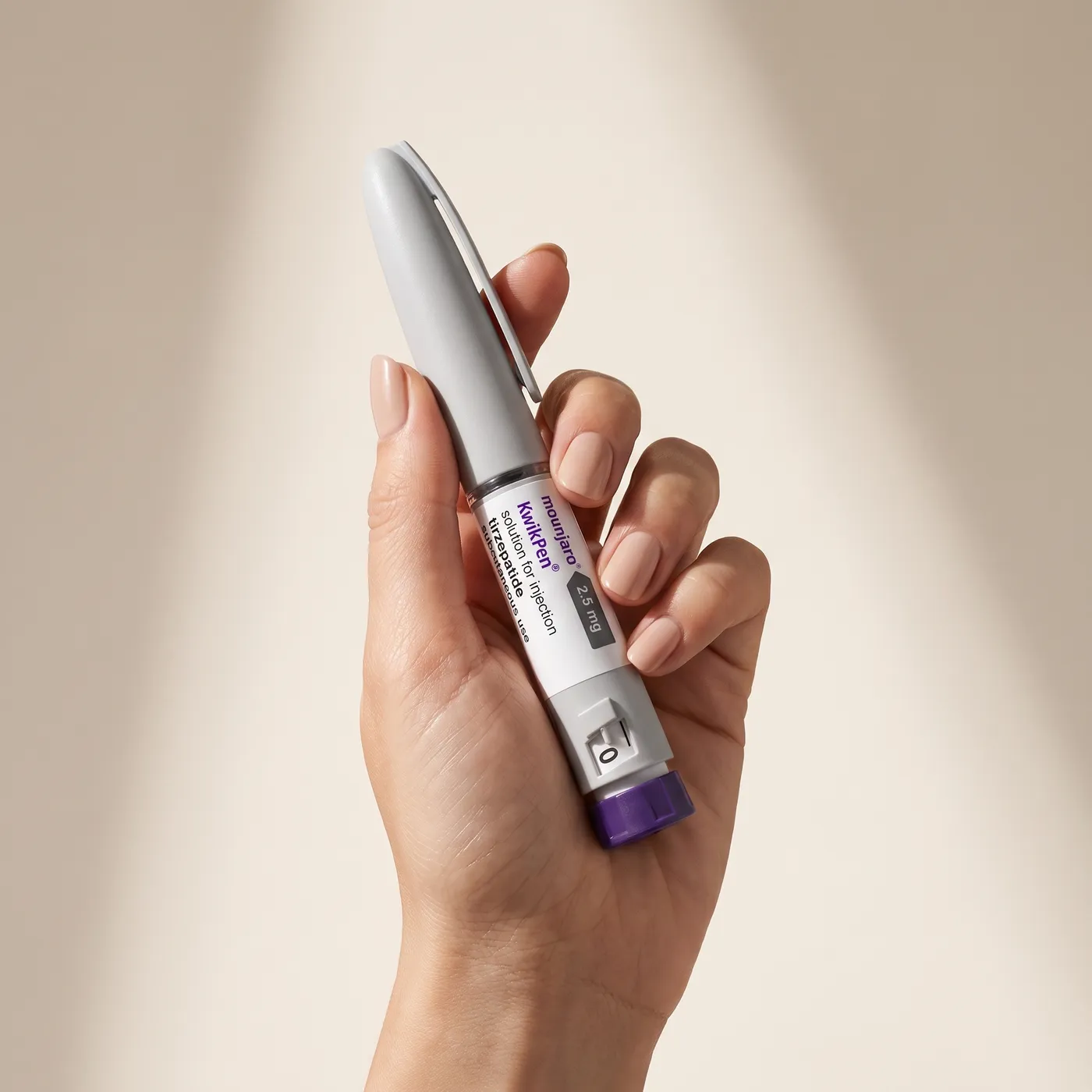
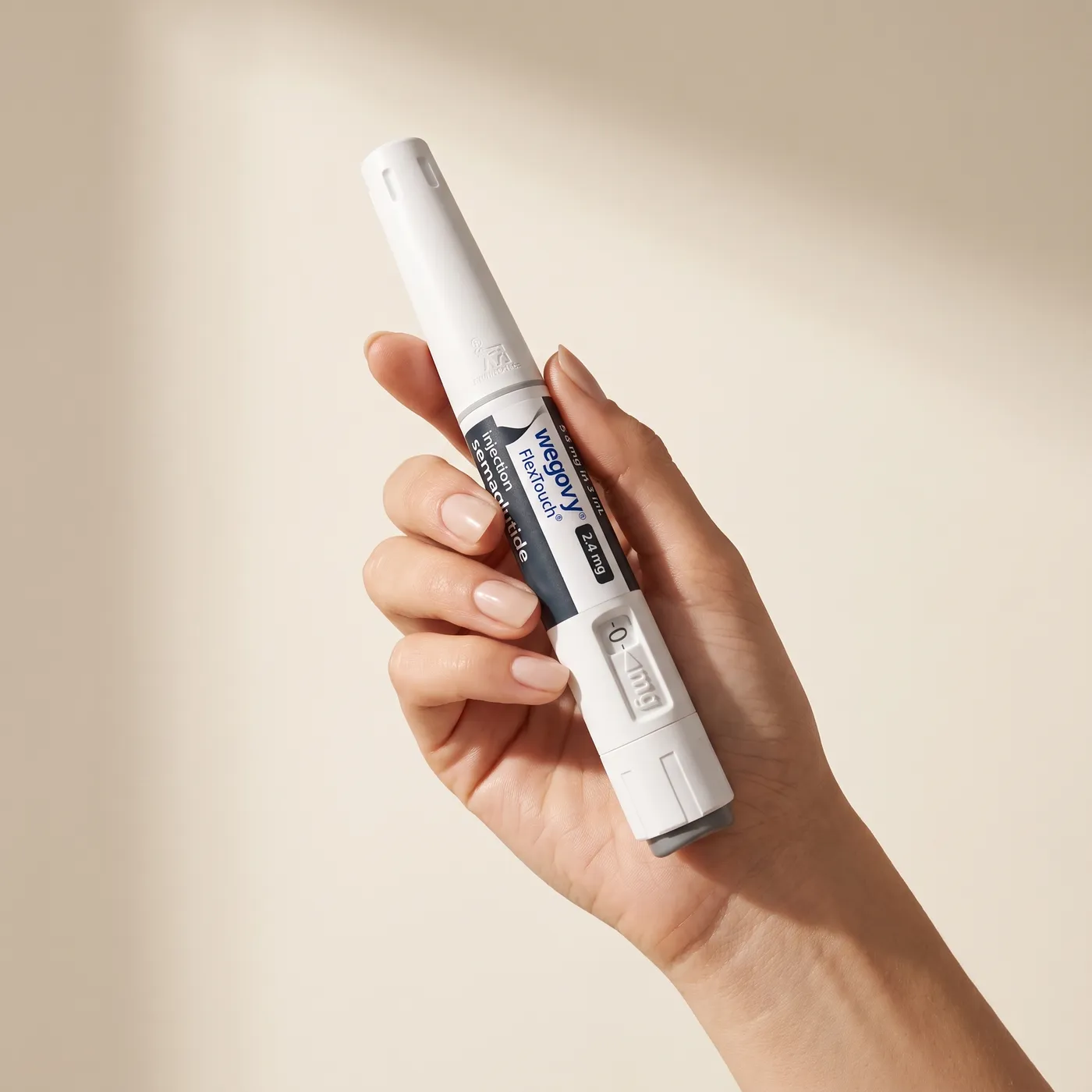
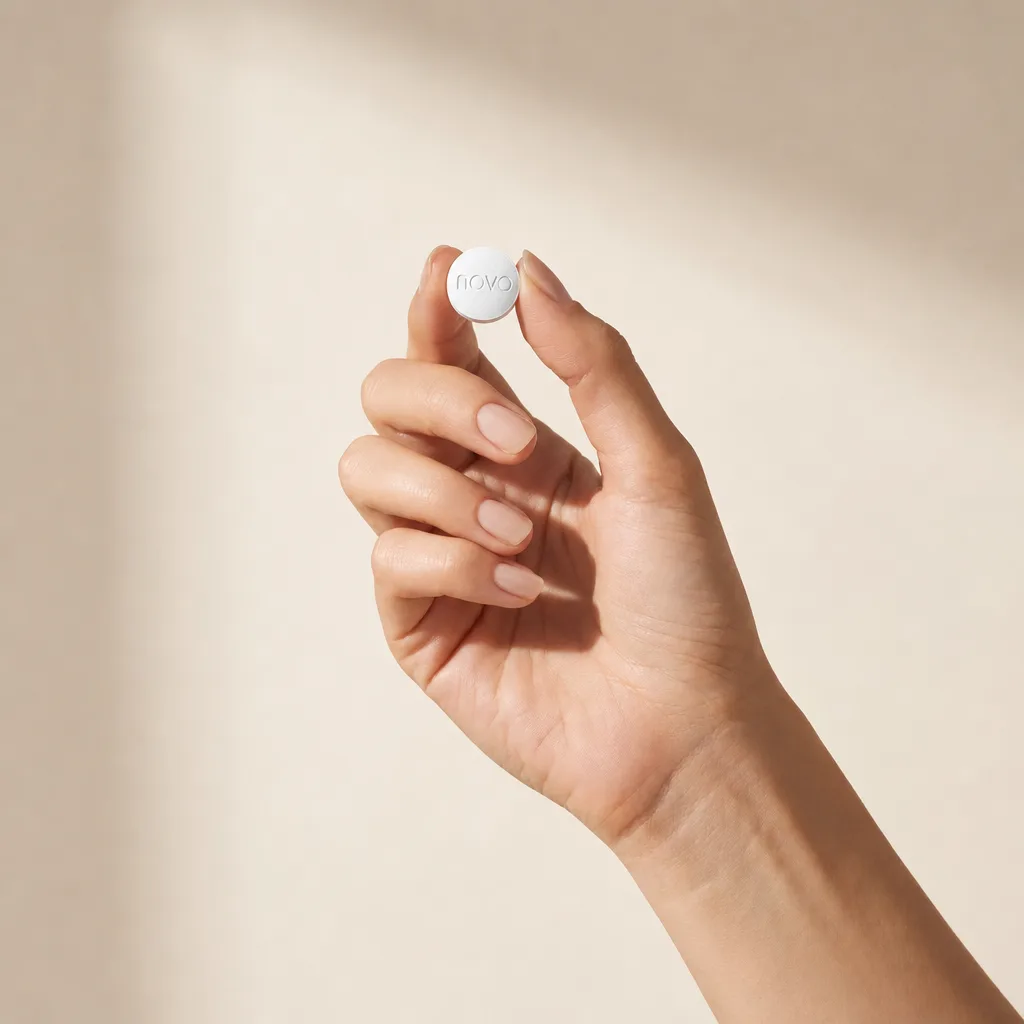
So, are they safe? Under clinical supervision, for people who meet the criteria, with genuine medicine and honest follow-up: yes, with the qualified confidence that large trials and years of use justify, and with an adjustment period that asks for patience. Without those conditions, the question changes from pharmacology to gambling. The safest sequence is unchanged by fashion: a proper consultation, an informed decision, a licensed product, a titration schedule that respects your body, and a clinical team you can actually reach when something feels wrong. Our guides to Mounjaro safety and Wegovy pill safety cover the individual medicines in the same honest detail.