







Here's what we'll cover
What is the best injection for weight loss? There is no single answer: the main UK options work in similar ways, by reducing appetite, and the right one for you depends on your health history and a prescriber's consultation rather than a league table. They can be effective, but they are prescription medicines with real considerations, not a lifestyle purchase. This guide explains what they are, how they work in the body, who they are suitable for, and what to think about before starting.
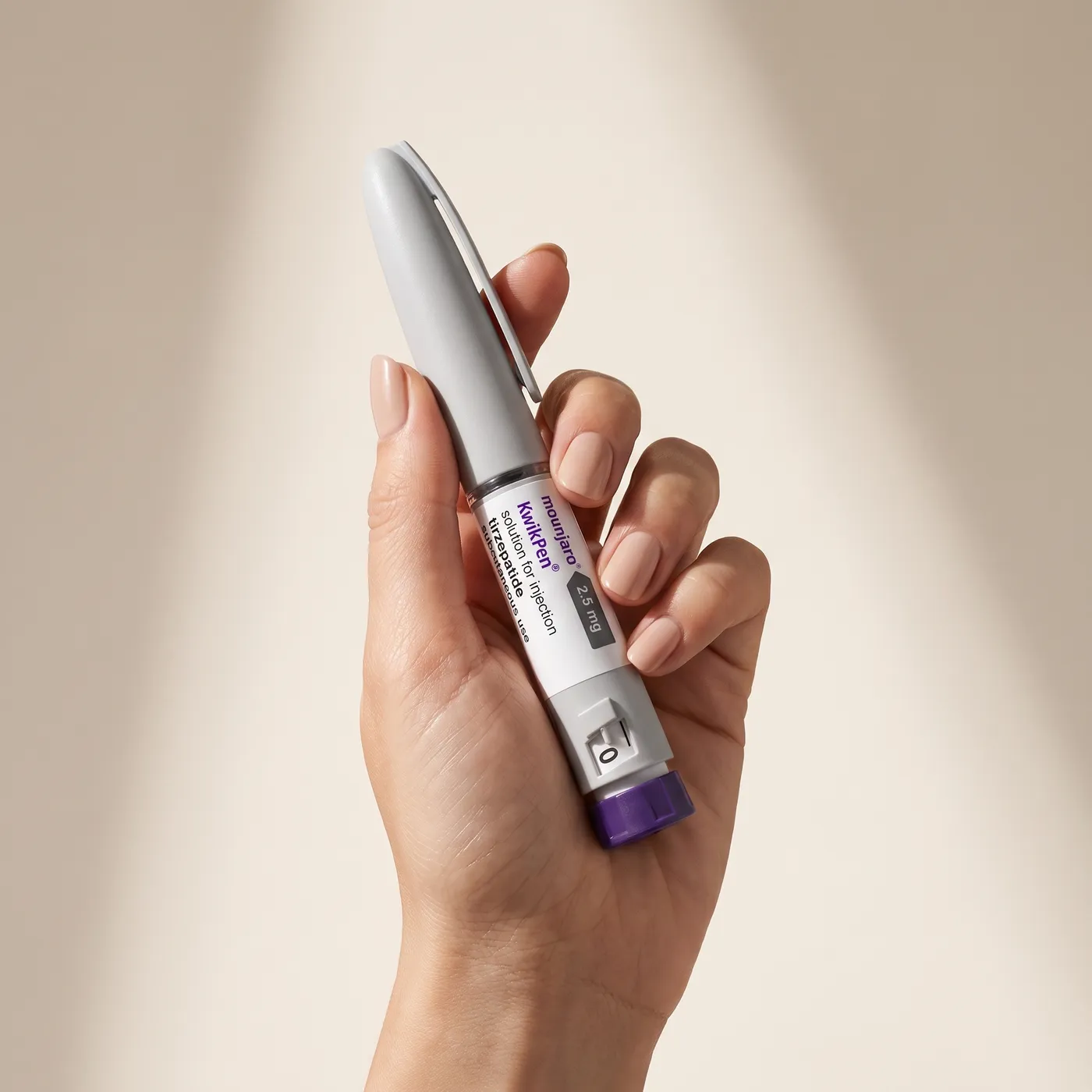
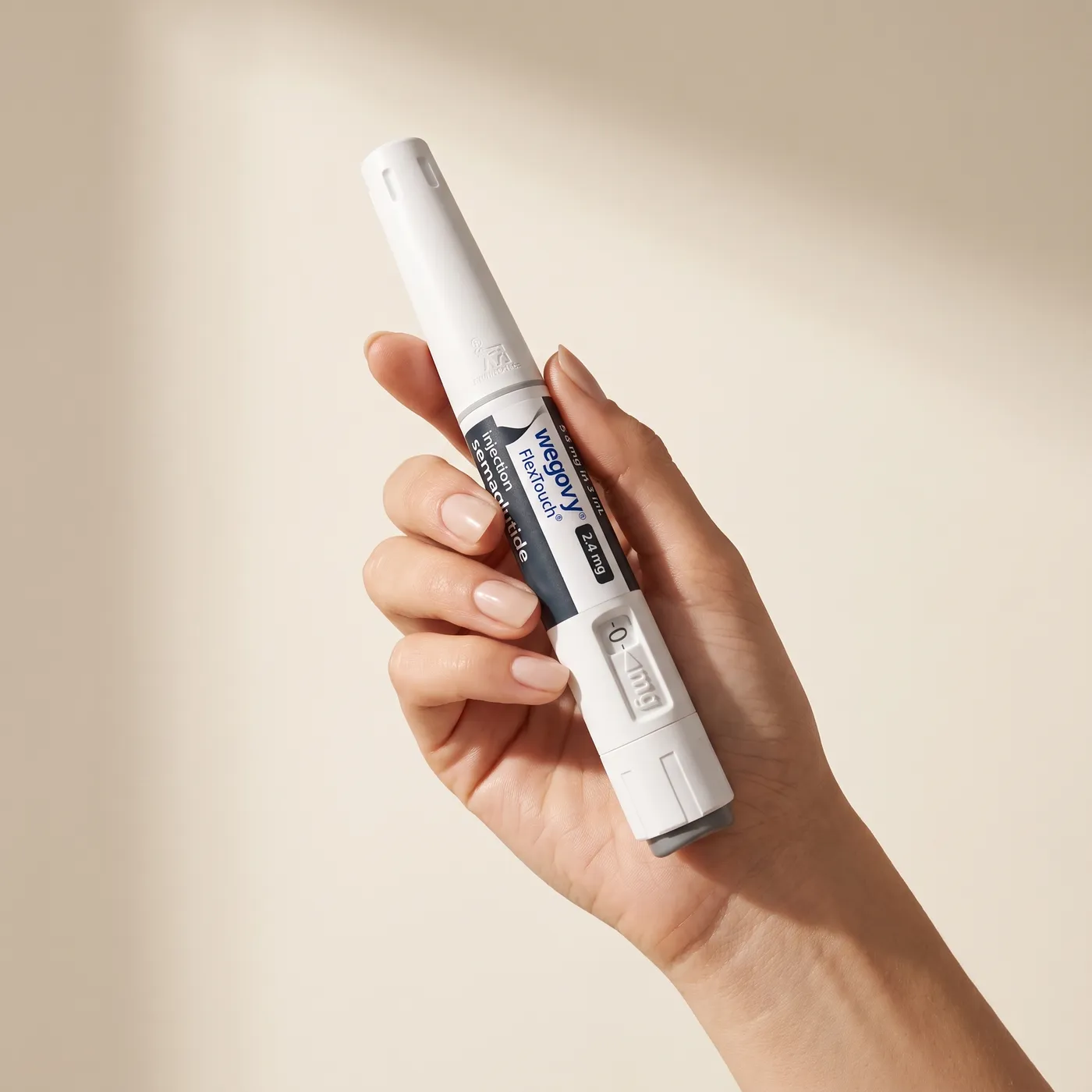
In the UK the injections people usually mean are Mounjaro (tirzepatide) and Wegovy (semaglutide), both once-weekly injections prescribed to people who meet defined clinical criteria, and both most effective as part of a wider plan that includes food and activity. The detail below matters, because the decision to start should be an informed one.
What are weight loss injections?
Most of the weekly injections people are talking about belong to a group of medicines known as GLP-1 receptor agonists. GLP-1 is a hormone the gut releases after eating, which signals fullness to the brain and helps regulate blood sugar. These medicines mimic that hormone. Some newer treatments act on more than one gut hormone at once. They were first developed to treat type 2 diabetes, and their effect on appetite and weight led to their use in weight management under specific conditions, as NHS England explains.
How do weight loss injections work?
The main effect is on appetite. By acting on the same pathways as the gut hormone GLP-1, the medicines slow how quickly the stomach empties and reduce hunger signals, so people tend to feel full sooner, stay full for longer and think about food less. Over time this usually means eating less without the constant sense of restriction that makes many diets hard to sustain. Because these medicines also affect blood sugar regulation, they were used in diabetes first, and blood sugar effects remain part of how they behave.
The dose is usually increased gradually over several weeks. This slow build-up gives the body time to adjust and helps limit side effects, which is why treatment is not simply a matter of starting at a full dose straight away.
What is the best injection for weight loss?
It is the natural question, and the honest answer is that 'best' is individual. Tirzepatide acts on two gut-hormone receptors and produced the largest average losses in its trials; semaglutide acts on one and has the longest track record in weight management; semaglutide is now also available as a daily tablet for people who prefer to avoid injections altogether. But trial averages compare groups, not you: your health history, other medicines, tolerability and preferences all shape which treatment is clinically appropriate, which is why the choice sits with a prescriber rather than a ranking. We compare the two main options in detail in our guide to Mounjaro vs Wegovy.
Who are they for?
These treatments are intended for people living with obesity, or those who are overweight and also have a weight-related health condition such as type 2 diabetes or high blood pressure. Suitability is based on measures such as body mass index alongside your wider medical history, not on appearance or a wish to lose a few pounds; NICE guidance on overweight and obesity management sets out the criteria, and our article on weight loss injection eligibility in the UK explains them in plain terms. They are not appropriate for everyone, and they are not licensed for cosmetic weight loss in people who are already a healthy weight.
There are also situations where they are not suitable, including certain medical histories and during pregnancy or when trying to conceive. This is exactly why a consultation matters: it is there to check that treatment is likely to help and unlikely to cause harm in your particular case.
Do they work on their own?
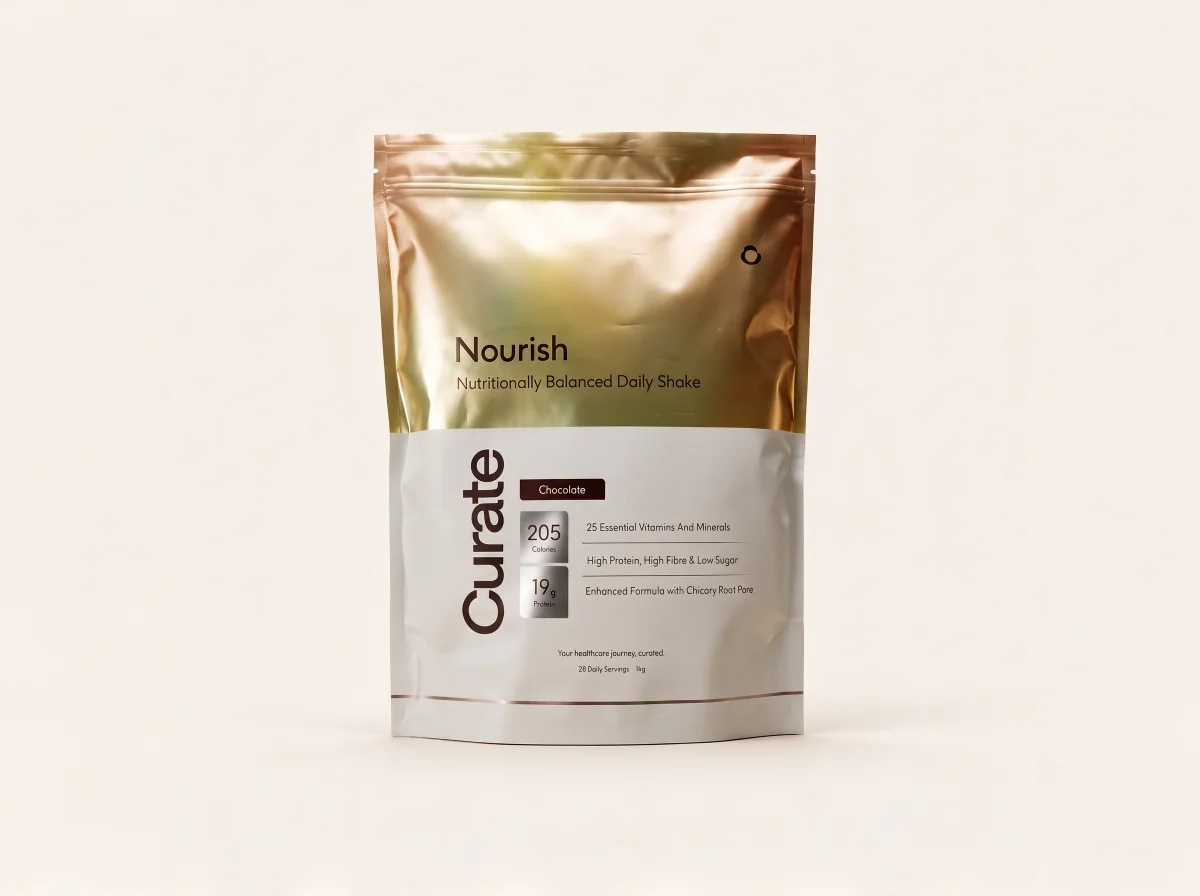
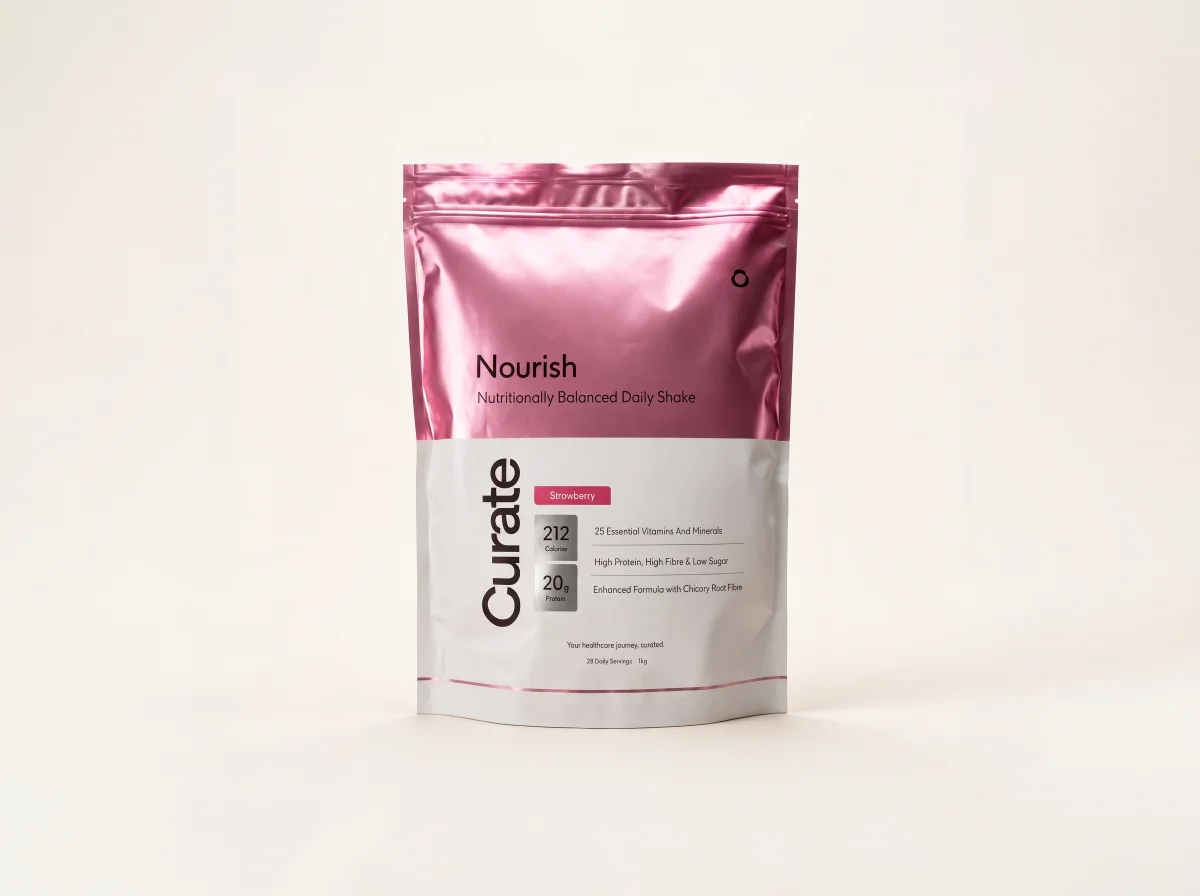
The medicine does a lot of the work on appetite, but the results people keep tend to come from pairing it with changes they can maintain. Protein at each meal helps protect muscle while you lose fat, resistance exercise supports the same goal, and building sustainable habits makes it more likely that progress lasts if treatment later stops. Thinking of the injection as a tool that makes those changes easier, rather than a substitute for them, is the most realistic frame.
Are weight loss injections safe?
The most common side effects are digestive, such as nausea, and tend to be worse when the dose is first increased and to ease with time. More serious effects are less common but possible, which is another reason treatment is supervised. A clinician will talk through what to expect, how to manage the early weeks, and when to seek advice, so you are not left to interpret symptoms alone.
How much weight might you lose?
This varies a great deal from person to person, and it is one of the areas where honesty matters more than headline figures. In clinical trials, average weight loss with these treatments has been meaningful, but averages hide a wide range: some people respond strongly, others less so, and a small number see little effect. Results also depend on staying on treatment, reaching an effective dose, and pairing the medicine with changes to eating and activity. It is reasonable to expect gradual change over months rather than a rapid drop, and your clinician can set expectations for your situation rather than a general number.
What happens if you stop?
It is important to understand that these treatments manage weight while they are being taken. When they stop, appetite tends to return, and without maintained habits some or all of the weight can come back over time. This is not a failing of the medicine; it reflects that obesity is a long-term condition rather than a one-off problem to be fixed and forgotten. It is one reason clinicians emphasise building sustainable changes alongside treatment, and why decisions about how long to continue are made together, with review along the way.
The bottom line
Weight loss injections can be an effective option for the right person, but they are medicines with genuine considerations rather than a shortcut. If you think they might be appropriate, the sensible first step is a consultation with a clinician who can look at your health as a whole and talk you through whether treatment, lifestyle support, or a combination is the best fit for you. Just as importantly, a good service does not stop at the prescription: it offers follow-up, checks how you are getting on, and adjusts the plan over time, which is what turns a promising start into a lasting result.