








Here's what we'll cover
Is Mounjaro safe? Yes, in the sense that matters for any medicine: tirzepatide, its active ingredient, was tested in large clinical trials before the MHRA licensed it for weight management in the UK, and its side effects are documented and mostly manageable. Safe never means free of all risk; it means the benefits and risks are understood, and that it is prescribed to the right people with proper oversight.
What is Mounjaro and what is in it?
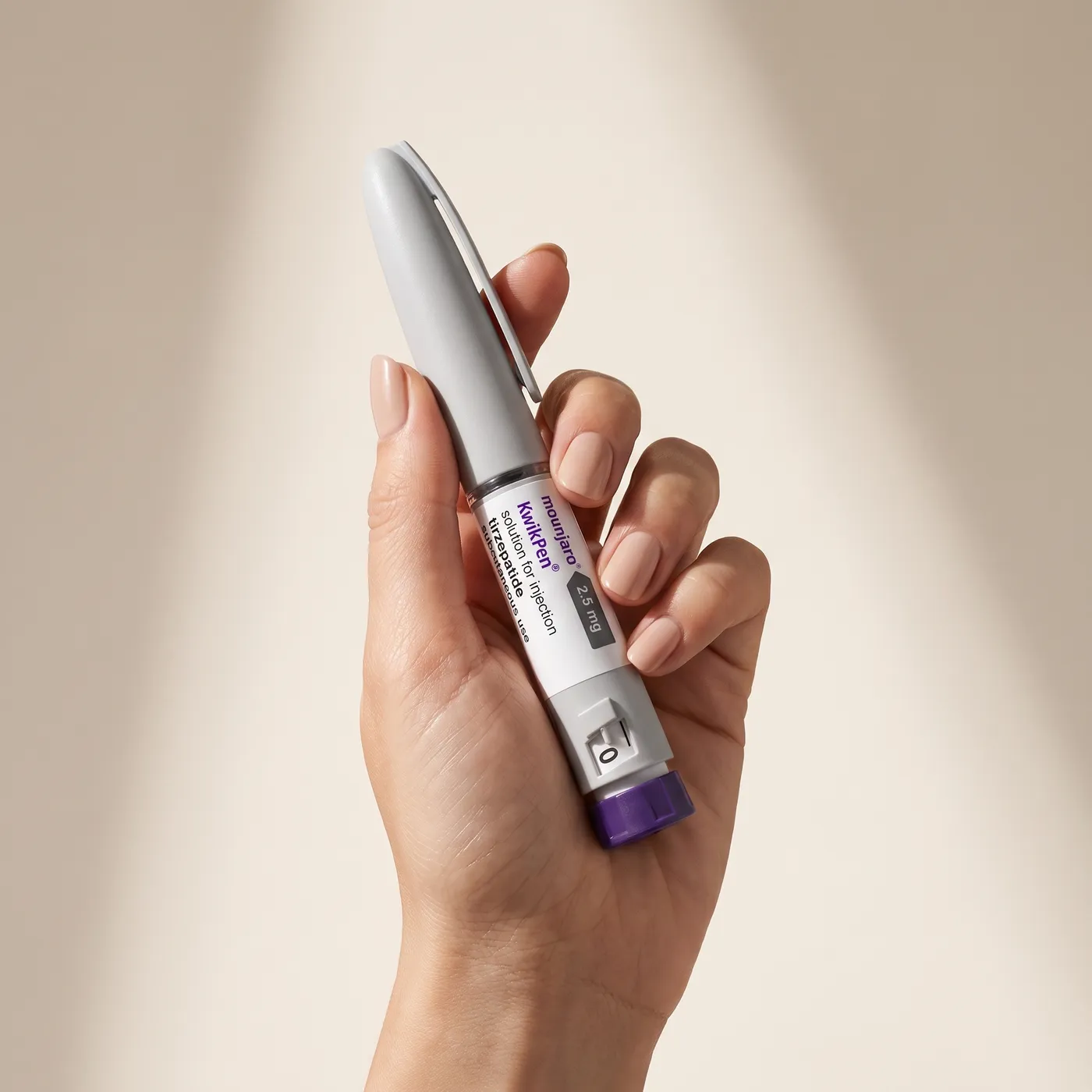
Mounjaro is the brand name for tirzepatide, a once-weekly injection that mimics two natural gut hormones, GIP and GLP-1. Together they reduce appetite, slow stomach emptying and help the body manage blood sugar, which is why the everyday effect is feeling satisfied with smaller portions. Our guide to how Mounjaro works explains the mechanism in detail. Each pre-filled pen contains tirzepatide plus standard injectable excipients, listed in full in the product information.
What the licensing process checked
Before any medicine reaches UK patients, the Medicines and Healthcare products Regulatory Agency reviews the trial evidence: how well it works, what side effects appeared, at what rates, and in whom. Tirzepatide's programme involved thousands of participants across multiple trials, including the SURMOUNT series in weight management. Licensing does not end the scrutiny: side effects continue to be monitored nationally through the Yellow Card scheme after launch.
The MHRA authorised Mounjaro for weight management in late 2023, following its earlier diabetes licence, after reviewing evidence from the SURMOUNT trial programme. NICE has since recommended tirzepatide for managing overweight and obesity in eligible adults, which brought it into phased NHS use as well as regulated private prescribing.
The side effects that are common
Most side effects sit in the digestive system: nausea, constipation, diarrhoea, indigestion and burping are the ones people meet most often. They are most noticeable when starting treatment and after dose increases, and typically ease as the body adjusts. This is also why the dose steps up gradually rather than starting high.
In SURMOUNT-1, roughly a quarter to a third of participants reported nausea at some point over 72 weeks, most of it mild to moderate and concentrated around dose increases. Only a small minority stopped treatment because of side effects.
We cover the practical management in detail in our guides to Mounjaro side effects and managing nausea.
The risks that are rarer but matter
Less common but important risks include gallstones (a known companion of rapid weight loss generally), pancreatitis (rare, but severe persistent abdominal pain needs urgent consultation), and dehydration if vomiting or diarrhoea is significant. The product information also carries warnings drawn from animal studies about thyroid C-cell tumours; this finding has not been shown in humans, but it is why a personal or family history of medullary thyroid cancer rules treatment out.
Rapid weight loss from any cause can also bring its own effects, such as gallstones and temporary hair shedding; our article on gallstones and rapid weight loss covers the warning signs. These reflect the pace of weight change rather than the medicine itself, which is another reason the gradual dose schedule matters.
How safe is Mounjaro long term?
The weight-management trials followed participants for well over a year, and tirzepatide has been used in type 2 diabetes for longer still, so the medium-term picture is reasonably well mapped. In those trials the safety profile stayed consistent over time: digestive effects clustered early, and no new categories of harm emerged with continued use. Longer-term surveillance continues through the Yellow Card scheme, the MHRA's national system for reporting suspected side effects. As with any newer medicine, evidence on use over many years is still accumulating, which is one reason ongoing prescriber review is part of the licence.
Who Mounjaro is not for
- Anyone pregnant, planning pregnancy or breastfeeding: treatment must stop before conception.
- People with a history of pancreatitis, or certain serious digestive conditions.
- A personal or family history of medullary thyroid carcinoma or MEN 2 syndrome.
- People whose BMI or health profile falls outside the licensed criteria: this is what the consultation assesses.
Some combinations need extra care rather than ruling treatment out. Insulin or sulfonylurea diabetes medicines raise the chance of low blood sugar alongside tirzepatide, and severe vomiting or diarrhoea can affect how well oral contraception is absorbed. A prescriber works through these at the consultation, which is why a full and honest medication history matters more than it might seem.
What makes use safe in practice
Most of the safety story is not in the molecule; it is in the prescribing. A proper UK service checks your medical history, current medicines and eligibility before supply, adjusts the dose on schedule rather than to demand, and reviews how you are getting on. Buying from unregulated sellers removes every one of those safeguards, and counterfeit weight-loss injections are an active problem the MHRA has warned about.
It also matters that treatment is monitored over time. Weight, side effects and any new medicines all change the picture, and a review at each dose step is where problems get caught early. If something feels wrong between reviews, such as persistent vomiting, signs of dehydration or severe pain, contact your prescriber rather than waiting for the next appointment. Reporting suspected side effects through the Yellow Card scheme also strengthens the national safety record that everyone else's care draws on.
If you are weighing treatment up, our guides to UK eligibility and checking a pharmacy is regulated are the practical starting points.