










Here's what we'll cover
The short answer: most Mounjaro side effects are digestive, mild, and settle as your body adjusts, with nausea, diarrhoea and constipation the most common. A small number are serious and need prompt attention. This guide covers the full list of Mounjaro side effects reported in the UK product information, how long they usually last, what helps, and exactly when to seek help.
What are the side effects of Mounjaro?
The UK Summary of Product Characteristics lists nausea, diarrhoea and vomiting as very common, meaning they can affect more than 1 in 10 people. Common effects, affecting up to 1 in 10, include:
- Constipation, indigestion, burping and reflux
- Reduced appetite, which is expected and part of how the medicine works
- Tiredness, dizziness and headaches, particularly in the early weeks
- Abdominal pain or bloating
- Injection site reactions such as redness or itching
- Hair shedding during rapid weight loss, which usually recovers
For most people these symptoms are manageable and temporary. They are most noticeable when starting treatment and after stepping up to a higher dose, and generally settle within days to a couple of weeks.
Who gets side effects varies widely. In the SURMOUNT-1 trial that underpins the UK licence, up to around three in ten people on the higher doses reported nausea at some point, yet only around 1 in 20 stopped treatment because of side effects. Some people notice almost nothing at any dose. There is no reliable way to predict which group you will be in before starting, which is one reason treatment begins at the lowest dose.
Why side effects happen
Tirzepatide, the active ingredient in Mounjaro, slows how quickly the stomach empties and acts on appetite signalling in the brain. The same mechanism that drives weight loss is behind most of the side effects, which is why they cluster in the early weeks and around each dose increase, then usually ease as your body adapts. Food sitting longer in the stomach explains the nausea, reflux and fullness; slower gut transit explains the constipation some people get instead.
How to manage Mounjaro side effects
Most digestive symptoms respond to the same handful of practical changes:
- Eat smaller portions and stop when comfortably full, not when the plate is empty
- Favour plainer, lower-fat foods when nausea is present; fried and very rich meals sit heavily when stomach emptying is slowed
- Sip fluids steadily through the day rather than drinking large amounts with meals
- Eat slowly and give meals time; twenty minutes is a reasonable target
- For constipation, increase fibre and fluids gradually and keep moving; a short daily walk genuinely helps gut transit
If symptoms are interfering with eating, drinking or daily life despite these measures, that is a conversation for your prescriber, not something to push through. Anti-sickness medication is sometimes appropriate for a short period, and staying at your current dose for longer before stepping up is a routine adjustment.
How long do Mounjaro side effects last?
For most people, side effects peak in the first one to two weeks on a new dose and then fade. Mounjaro treatment steps up through doses gradually precisely to give your body time to adapt, so a brief return of nausea or tiredness after each increase is expected rather than alarming. Symptoms that persist beyond a few weeks, get worse rather than better, or stop you eating and drinking normally are the exception and should be reviewed. Many people find the few days after injection day the most noticeable, so keeping meals lighter on those days, and injecting in the evening so the early peak overlaps with sleep, are simple timing tactics worth trying.
Less common but serious side effects
Rarely, more serious problems can occur. Severe, persistent abdominal pain, especially pain spreading through to the back, can be a sign of pancreatitis and needs urgent consultation. Gallbladder problems, including gallstones, are more likely during rapid weight loss with any method and can cause pain under the right ribs, particularly after fatty meals. Ongoing vomiting or diarrhoea can lead to dehydration, which in turn can affect kidney function; persistent thirst, dark urine and light-headedness are the warning signs.
People who also take insulin or sulfonylureas for diabetes can experience low blood sugar, so glucose monitoring matters in that group. The MHRA has also advised that anyone having surgery under general anaesthesia should tell the team they take a GLP-1 medicine, because delayed stomach emptying carries an aspiration risk. Any suspected side effect can be reported through the MHRA Yellow Card scheme, which is how UK medicine safety monitoring works in practice.
Mounjaro side effects compared with Wegovy
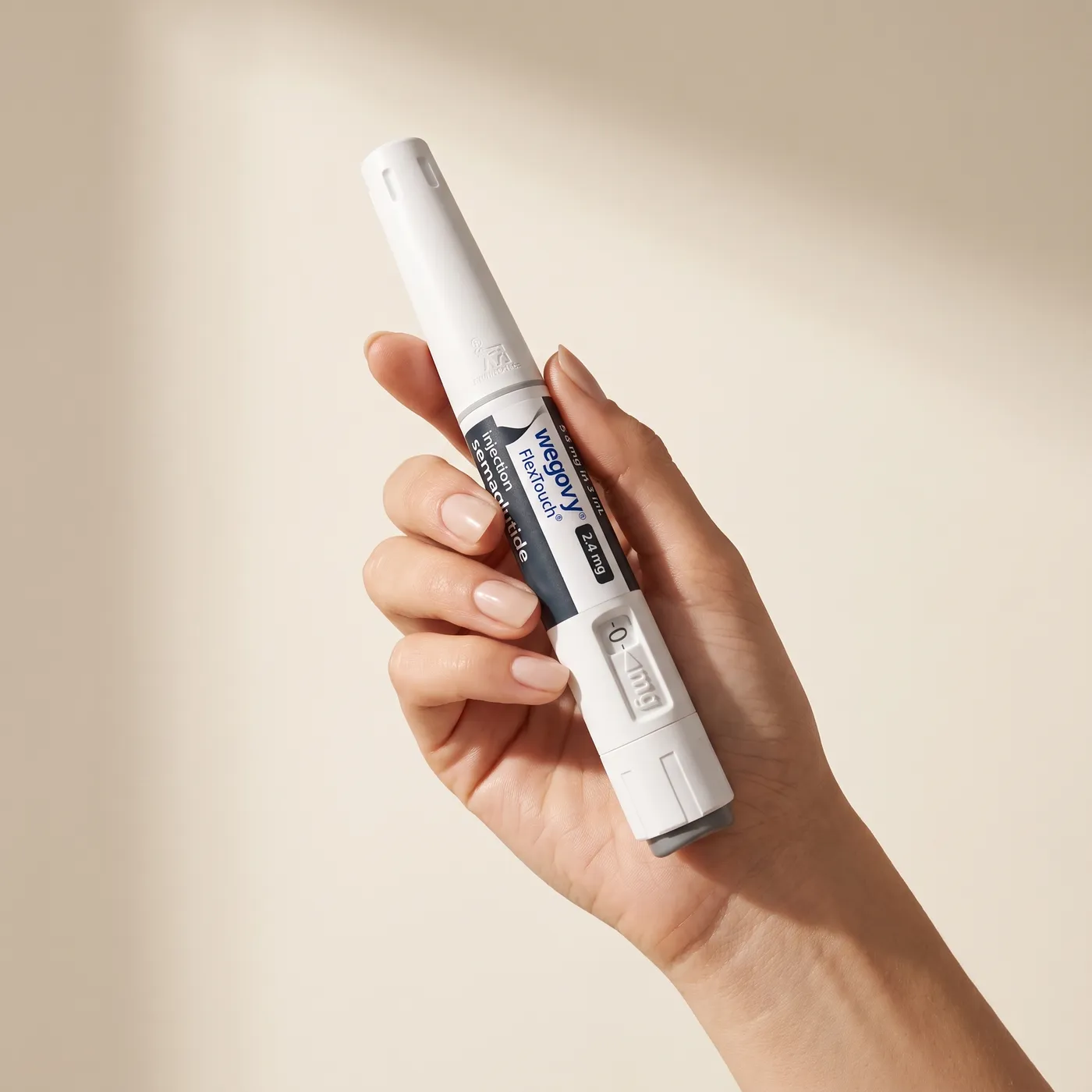
Because Mounjaro and Wegovy work on overlapping pathways, the side effect profiles are similar: digestive symptoms dominate both, at broadly comparable rates in trials. The pattern of onset around dose increases is also shared. Tolerability in practice is individual, and switching between treatments is sometimes part of the plan; our comparison of the two treatments covers the differences in detail.
How our follow-up works
Side effects are a normal part of the conversation during treatment, and NICE guidance expects tirzepatide to be prescribed alongside proper clinical support rather than in isolation. Our clinical team reviews how you are getting on, can slow the pace of dose increases, and is the right first point of contact if something does not feel right. You are not expected to simply endure symptoms; treatment plans are adjusted around them routinely.