





Here's what we'll cover
GLP-1 weight-loss treatments work by copying a natural gut hormone that signals fullness to the brain, so appetite falls and most people eat less without a constant battle against hunger. They also slow how quickly the stomach empties and help steady blood sugar. The effect is largely on the biology of appetite, not willpower.
That single idea explains almost everything else about how these medicines behave, including why the dose is built up slowly and why they are prescription-only. This guide explains what GLP-1 is, how the treatments use it, what the evidence shows and what it means in day-to-day practice.
What is GLP-1?
GLP-1, short for glucagon-like peptide-1, is a hormone your gut releases when you eat. It does several jobs at once: it tells the brain you have had enough, it slows the rate at which the stomach empties, and it prompts the pancreas to release insulin when blood sugar rises. In other words, it is part of the body's own system for regulating appetite and energy. Natural GLP-1 breaks down within minutes, so on its own it cannot be used as a lasting treatment.
How does GLP-1 work for weight loss?
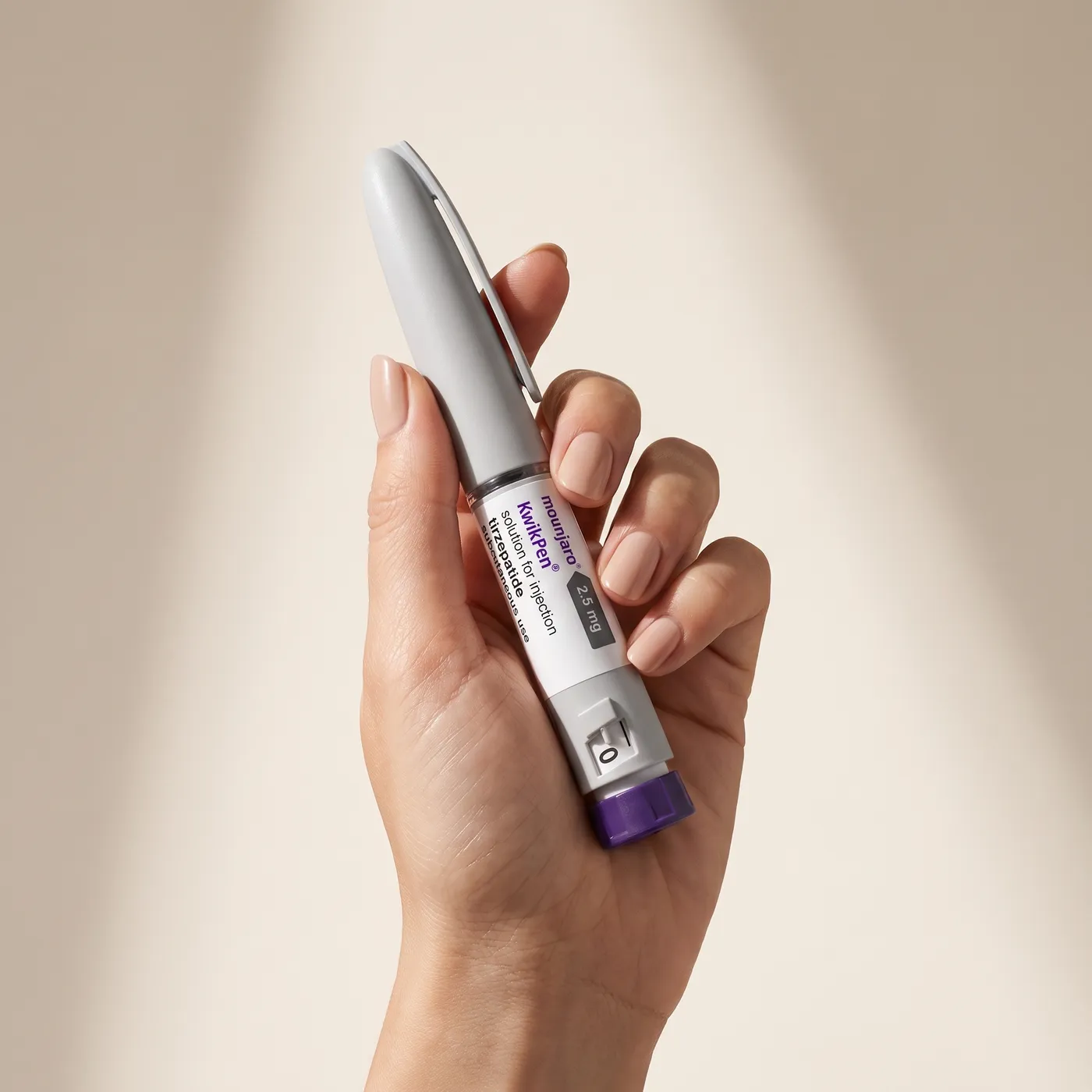
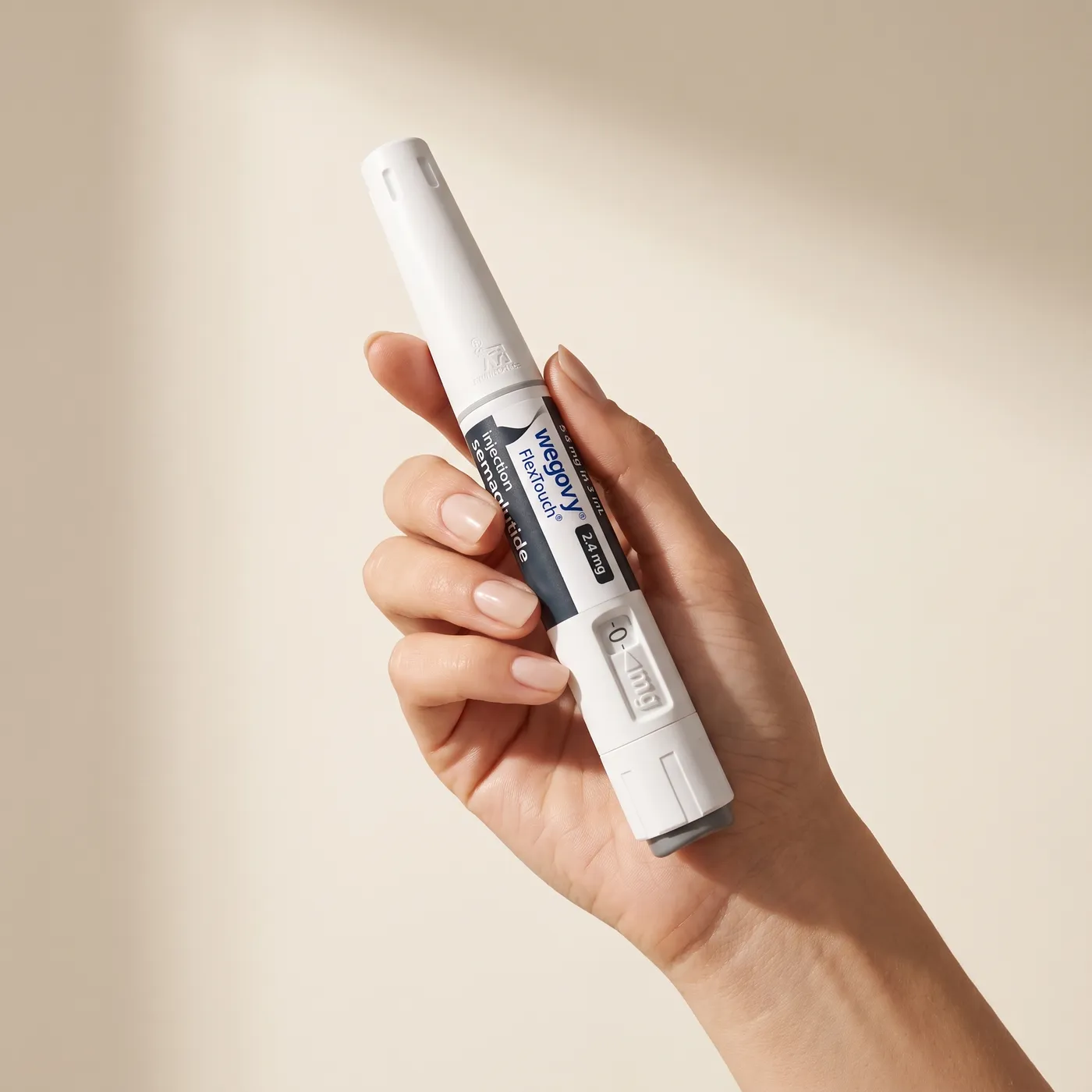
GLP-1 treatments are receptor agonists, which simply means they switch on the same receptors that natural GLP-1 acts on. They are designed to last far longer in the body than the natural hormone, so a single weekly injection or a daily tablet can keep working across the day or week. By keeping the fullness signal switched on, they reduce hunger and the mental pull towards food. You can read more about the individual medicines in our guides to how semaglutide works and how Mounjaro works.
Some newer treatments act on more than one gut hormone receptor at the same time, building on the same appetite and blood sugar pathways. The underlying principle, working with the body's own signalling rather than against it, is shared across the group.
Why blood sugar comes into it
Because GLP-1 helps the pancreas release insulin when blood sugar rises, these medicines were first developed to treat type 2 diabetes. The weight effect was noticed alongside the blood sugar effect, and that led to their separate use in weight management. Diabetes UK explains the diabetes use of GLP-1 medicines, and the same active ingredient can hold separate licences for weight and for diabetes, which is why the branding differs. Our guide to weight management versus diabetes licensing unpacks that in full.
Why the dose builds up slowly
Treatment usually starts at a low dose that is increased in steps over weeks. Because the medicine slows stomach emptying, going too fast tends to cause nausea and other digestive effects, so a gradual increase gives the gut time to adapt. This is why prescribers follow a titration schedule rather than starting at a full dose, as we cover in why GLP-1 doses step up. If side effects are troublesome at a given step, the pace can be slowed. Most of the common GLP-1 side effects are digestive and tend to settle.
Does GLP-1 work for weight loss?
In clinical trials, GLP-1 weight-loss treatments have produced meaningful average weight change over around a year when combined with diet and activity. Semaglutide 2.4mg was linked to an average reduction of roughly 15% of body weight in the STEP 1 trial, while tirzepatide reached higher averages in the SURMOUNT-1 trial. Response varies between individuals, and a minority respond only modestly, so these figures are averages rather than promises. UK prescribing sits within NICE guidance on managing overweight and obesity.
It is worth being realistic about the limits too. The medicine reduces appetite; it does not override what you eat, how you move, sleep or stress. Because it is topping up a signal rather than retraining the body, appetite generally returns if it stops, which is why maintenance planning matters. A minority of people find the appetite effect modest, and results are not uniform across everyone who takes it.
Injections, tablets and how doses differ
Most GLP-1 weight-loss treatments are given as a once-weekly injection using a pre-filled pen, though an oral form of semaglutide is also available. The injectable and oral routes suit different people, and our guide to oral versus injectable GLP-1 compares them. Whichever route, the dose is stepped up gradually. That titration is not a marketing choice; it is how the gut is given time to adapt, and it is set out in each medicine's product information. Missing the point of the schedule, and rushing it, tends to cause more side effects without better results.
Who can have GLP-1 treatment in the UK?
GLP-1 weight-loss treatments are prescription-only and are not suitable for everyone. In the UK they are considered for adults above certain body mass index thresholds, often with a weight-related health condition, and there are situations where they should not be used, including pregnancy and some medical histories. NHS access is limited and criteria are strict, while regulated private services assess against the same clinical principles. Our guide to NHS versus private weight-loss treatment explains the difference, and Wegovy is offered on the NHS for eligible patients under defined conditions. Either way, a clinical consultation decides whether the approach fits your health and goals.
What this means in practice
Because the effect is on appetite, the medicine makes eating less easier, but what you eat still counts. Getting enough protein helps protect muscle while losing weight, and staying active supports the same goal. These are prescription-only treatments and are not suitable for everyone, so the starting point is always a clinical consultation against the UK eligibility criteria. If you want a rough sense of where you sit, our BMI calculator is a simple first step. Understanding the mechanism helps you work with it: eat slowly, stop when satisfied and choose nourishing foods, so you feel well while the treatment does its part.