



Here's what we'll cover
Mounjaro nausea is common, usually mild, and manageable. It tends to be worst in the first weeks and just after a dose increase, and most people find that simple changes to how and what they eat make a real difference. For the large majority it is a passing phase of the early weeks rather than a lasting feature of treatment.
This guide explains why nausea happens on GLP-1 treatment, what helps most, how timing and dose come into it, and the warning signs that mean you should seek advice.
Why does Mounjaro cause nausea?
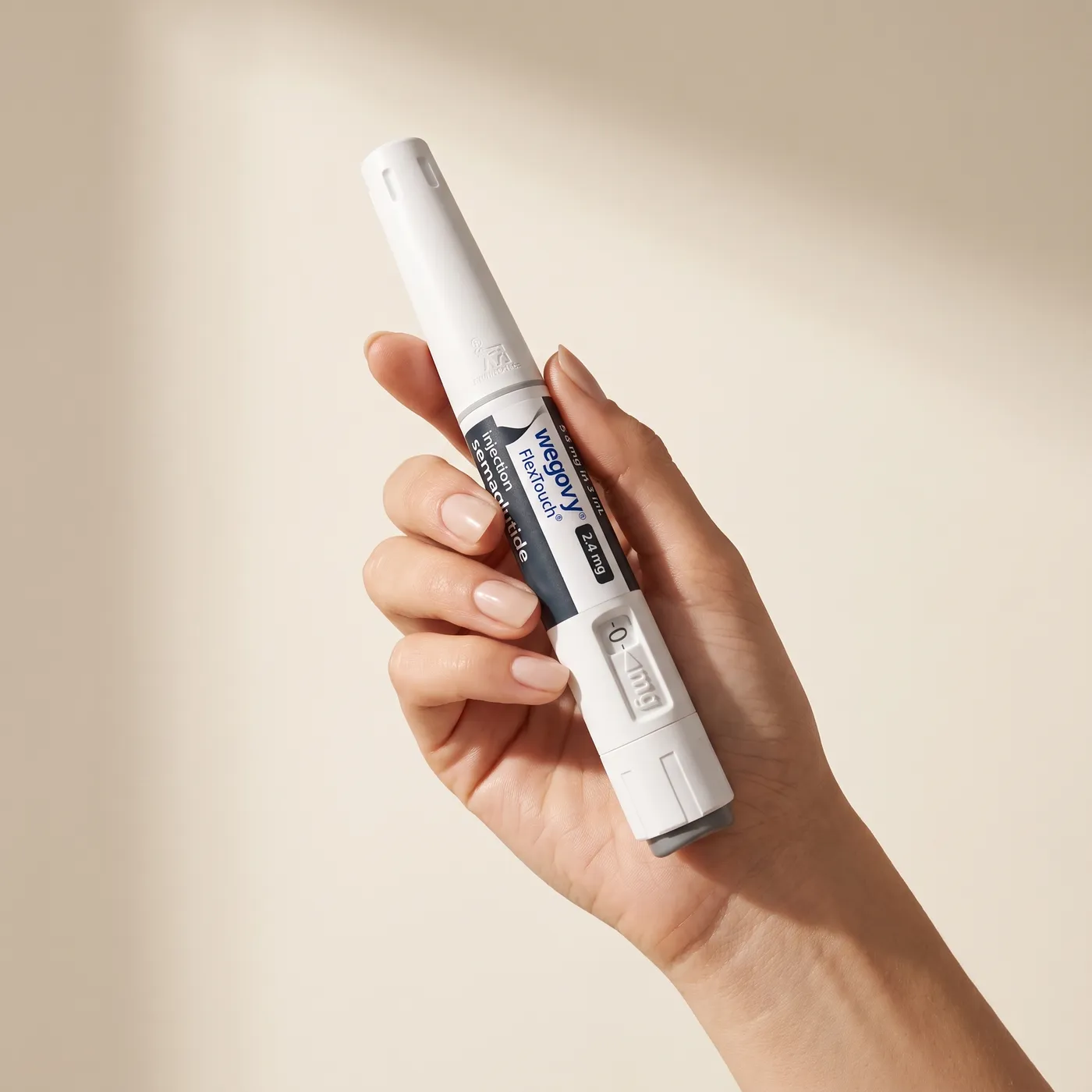
Mounjaro and other GLP-1 treatments slow how quickly the stomach empties, so food stays there longer and you feel full sooner. That fullness is part of how the medicine reduces appetite, but it can tip into queasiness, especially before your body has adjusted or just after a dose increase. Nausea is one of the most common GLP-1 side effects and usually the first to appear.
There is also a behavioural loop worth understanding. Because the stomach empties more slowly, eating a normal-sized meal can leave food sitting longer than you are used to, which the brain can read as feeling sick. Eating past the point of comfortable fullness, a habit many people have without noticing, is the single most reliable way to trigger it. Learning to stop earlier is both the main fix and part of how the treatment helps you eat less.
What helps most with Mounjaro nausea
A handful of eating habits ease nausea for most people:
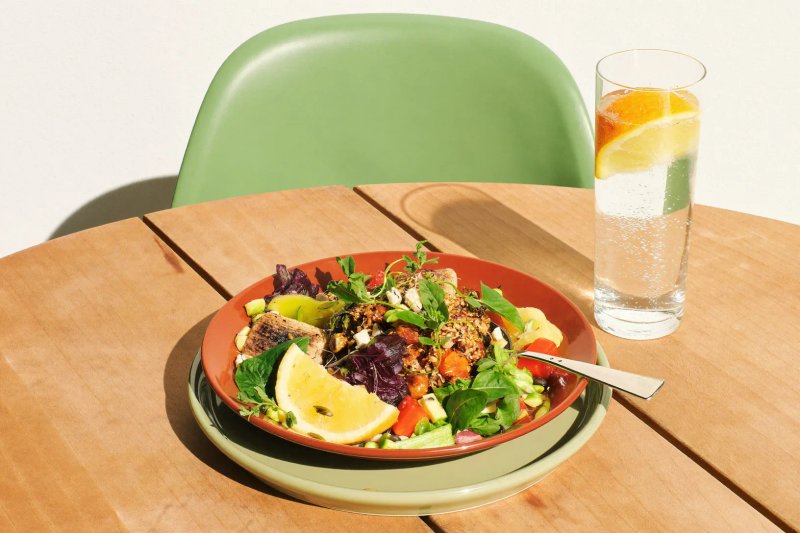
- Eat smaller portions, more often if needed, rather than large meals.
- Stop as soon as you feel comfortably full, not stuffed.
- Choose plainer, lower-fat, less greasy or spicy foods when queasy.
- Eat slowly, giving your stomach time to register fullness.
- Sip water and fluids through the day to stay hydrated.
- Avoid lying down straight after eating.
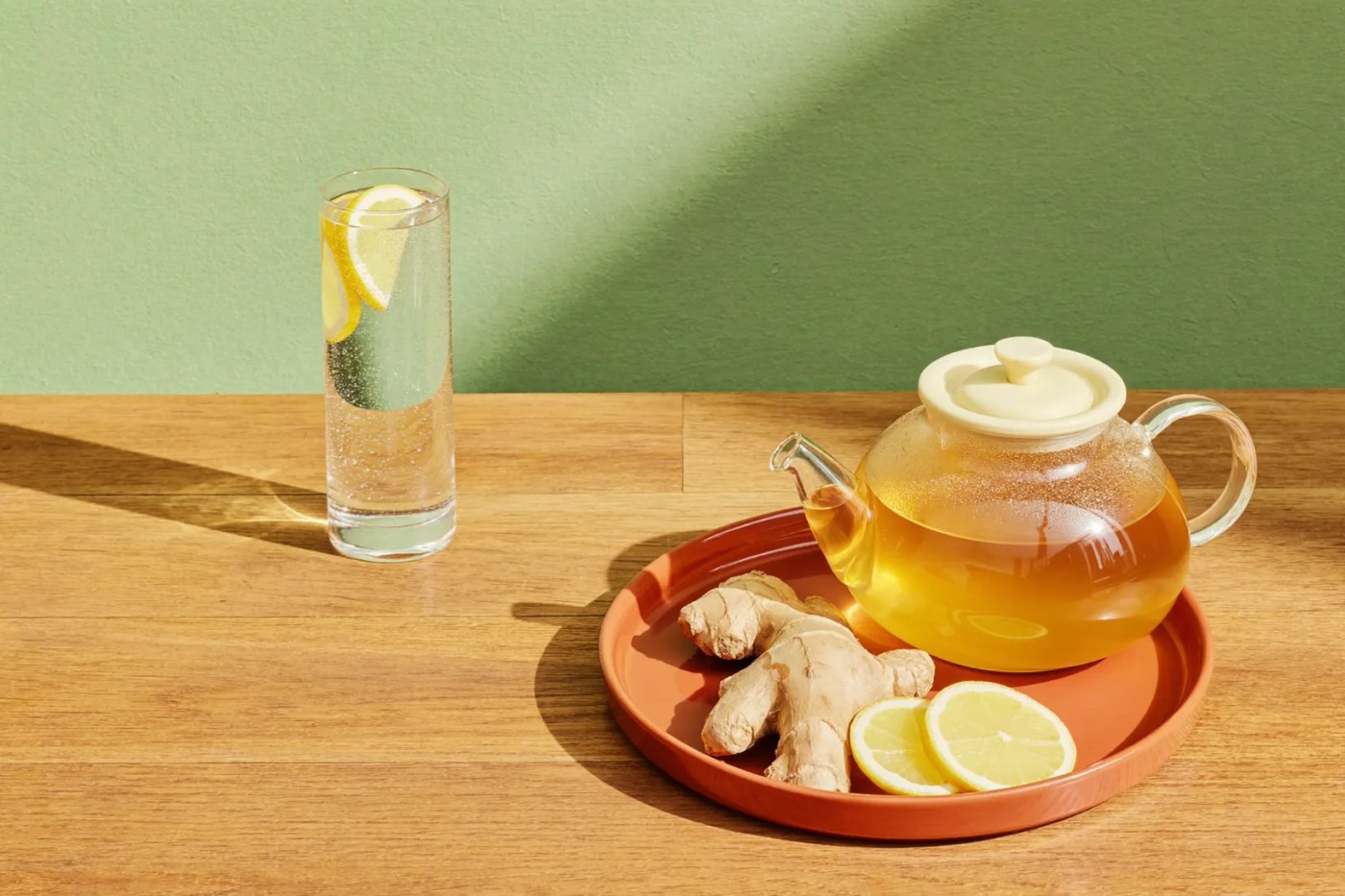
Because appetite is lower, it is easy to drink too little, and mild dehydration can make nausea and headaches worse. Keeping fluids up steadily through the day helps on both counts. Some people find cold or plain drinks sit better than hot or sugary ones when queasy.
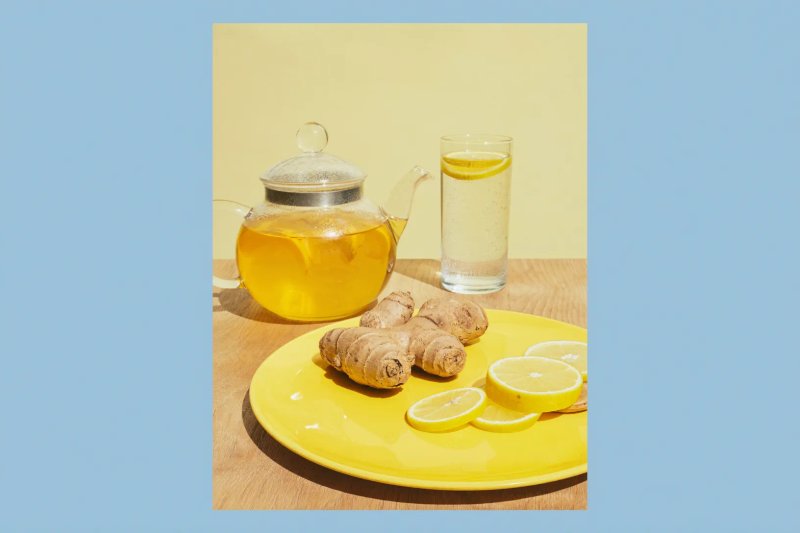
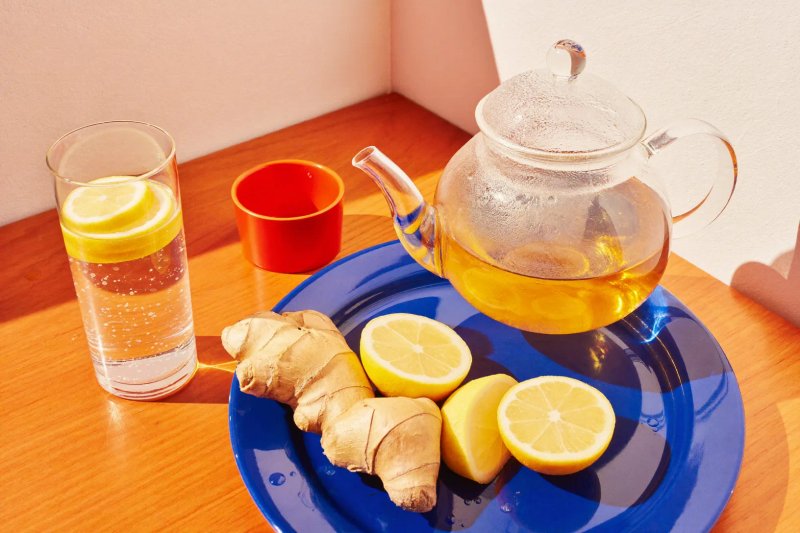
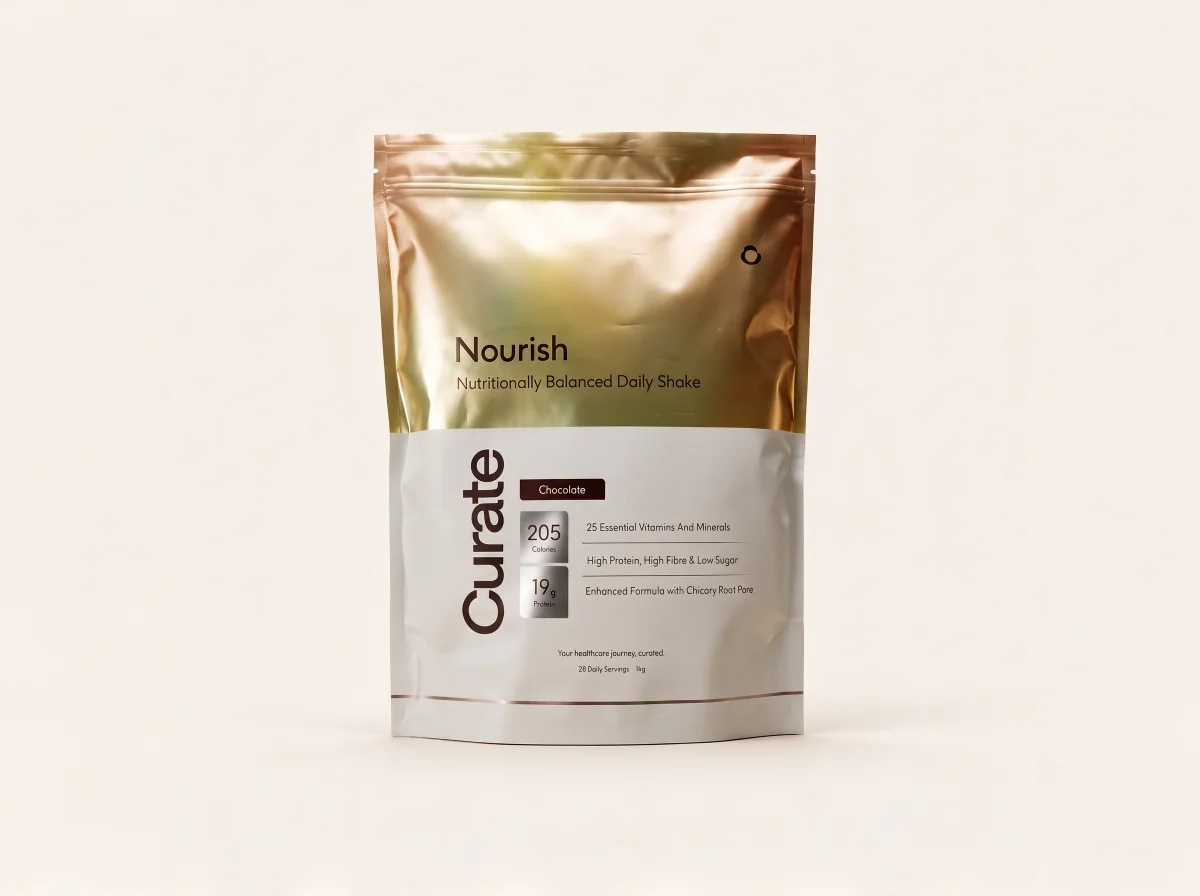
A few people find ginger, in tea or as a sweet, settles mild queasiness, and keeping a plain snack such as a cracker to hand can help. Prevention tends to work better than treatment: it is easier to avoid nausea by eating small and plain than to shift it once it has set in. Avoid the pattern of skipping meals then eating a large one, which tends to provoke it. If nausea is stopping you eating enough, prioritise small, regular, protein-containing meals so you do not slip into under-eating.
Is Mounjaro a GLP-1, and does timing matter?
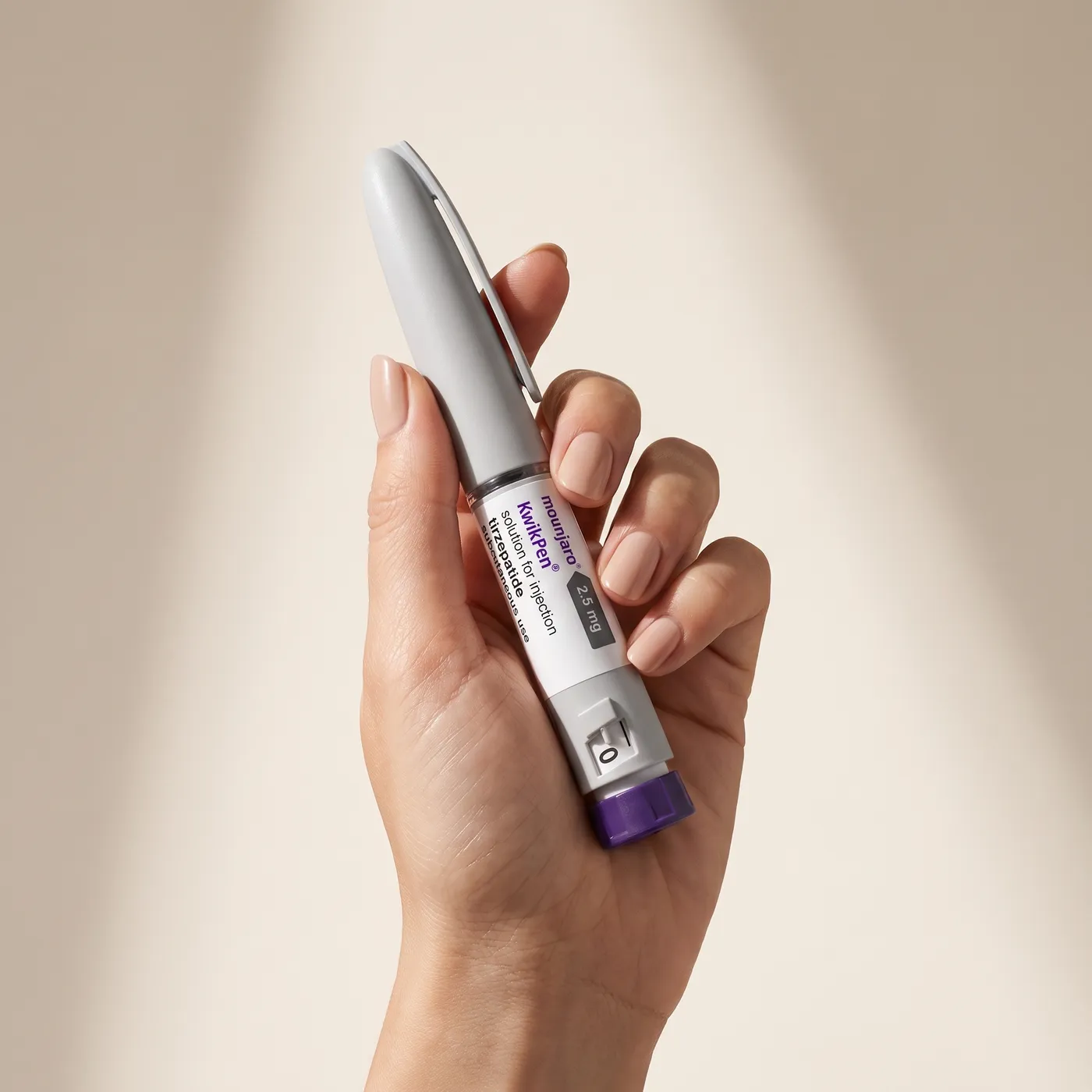
Mounjaro (tirzepatide) acts on the GLP-1 receptor and a second gut hormone receptor, so it behaves like other GLP-1 medicines when it comes to nausea. It usually eases within days to a couple of weeks at each dose. If it flares when you step up, that is expected and typically short-lived. This is one reason the dose is raised gradually rather than all at once, as our guide to why GLP-1 doses step up explains. If it does not settle, your prescriber can hold you at the current dose longer or adjust the schedule; you do not have to grit your teeth through it. The NHS information on tirzepatide covers what to expect.
Are anti-sickness options worth it?
For most people, the eating changes above are enough and no medicine is needed. If nausea is more stubborn, a prescriber can consider whether a short course of an anti-sickness medicine is appropriate, or whether holding the dose is the better move. Do not start over-the-counter remedies without checking, since some interact with other medicines or mask symptoms that should be assessed. The aim is to make the settling-in period tolerable, not to push through severe sickness. If nausea keeps returning at every dose step, that pattern is worth reviewing rather than repeating.
Nausea and your injection day
Some people notice queasiness is a little stronger in the day or two after their weekly injection. If so, choosing an injection day when you can eat lightly and rest a little often helps. Keeping meals small and plain around that time, and not planning a large or rich meal for injection day, can smooth it. As the dose settles across the week, most find the pattern fades.
When nausea is more than nausea
Contact your clinician if you have severe or persistent vomiting, cannot keep fluids down, show signs of dehydration, or have severe abdominal pain, particularly pain spreading to your back, which needs urgent consultation as it can signal acute pancreatitis. These are not part of normal settling-in.
The reassuring part
For most people, nausea is a short phase early in treatment, and managing it well makes the whole experience easier. It tends to be worst in the first days at a new dose and eases from there, which is why patience during the first 12 weeks pays off. Keeping meals protein-focused also protects muscle as you lose weight; see our guide to protein targets on GLP-1s.