





Here's what we'll cover
A good Mounjaro meal plan is built for the days you least feel like cooking: small, protein-led meals, batches in the freezer, and easy options within reach. Planning ahead means you are never stuck without something nourishing when your appetite or energy is low, which is when nutrition usually slips.
Why does a Mounjaro meal plan help?
On a reduced appetite, decisions about food get made in the moment, often when you are tired or not remotely hungry, and that is when nutrition slips. Mounjaro quietens hunger signals so effectively that meals stop announcing themselves; a plan shifts food decisions to a moment when you have the energy to make them well, so what you actually eat is better without more effort on the day.
There is a second reason planning matters more on treatment: with less food overall, each meal carries more of the nutritional load. Protein especially needs protecting, because eating too little of it speeds up muscle loss during weight loss; our guide to protein targets on GLP-1s puts numbers on it.
A simple plate template
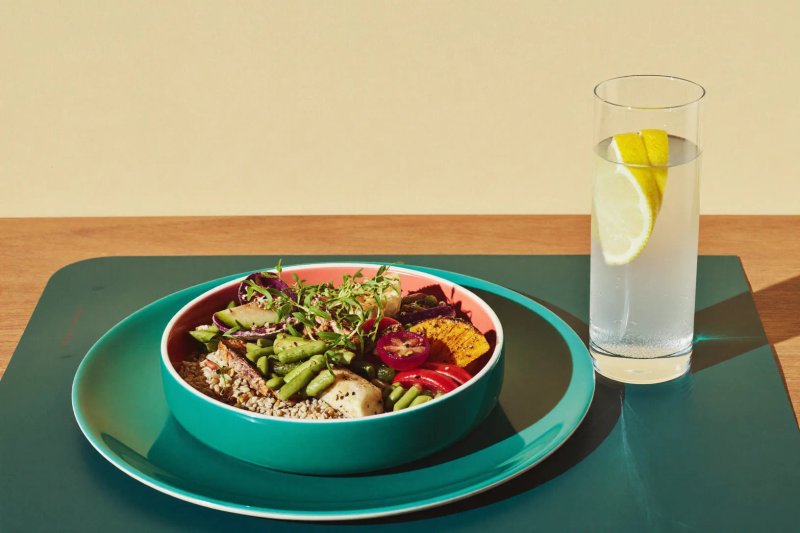
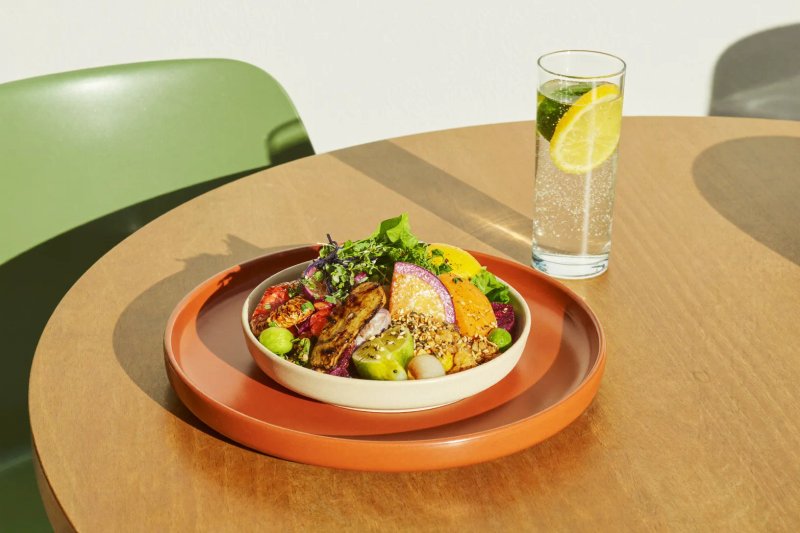
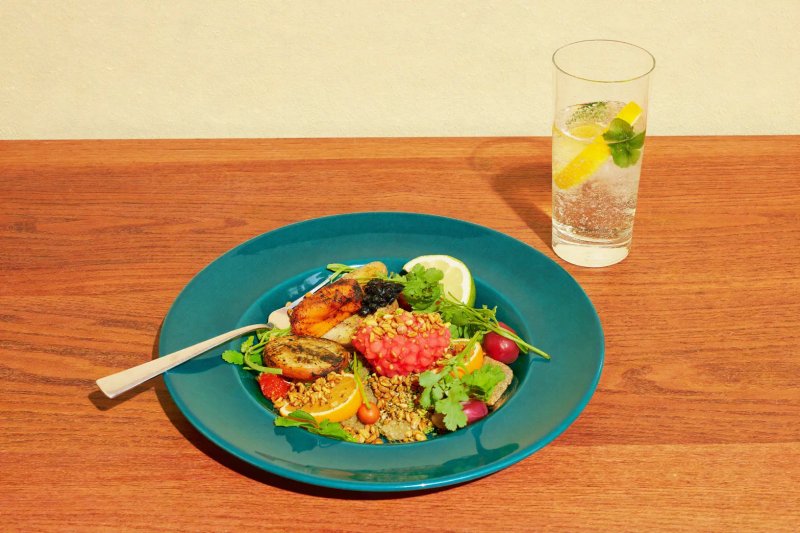
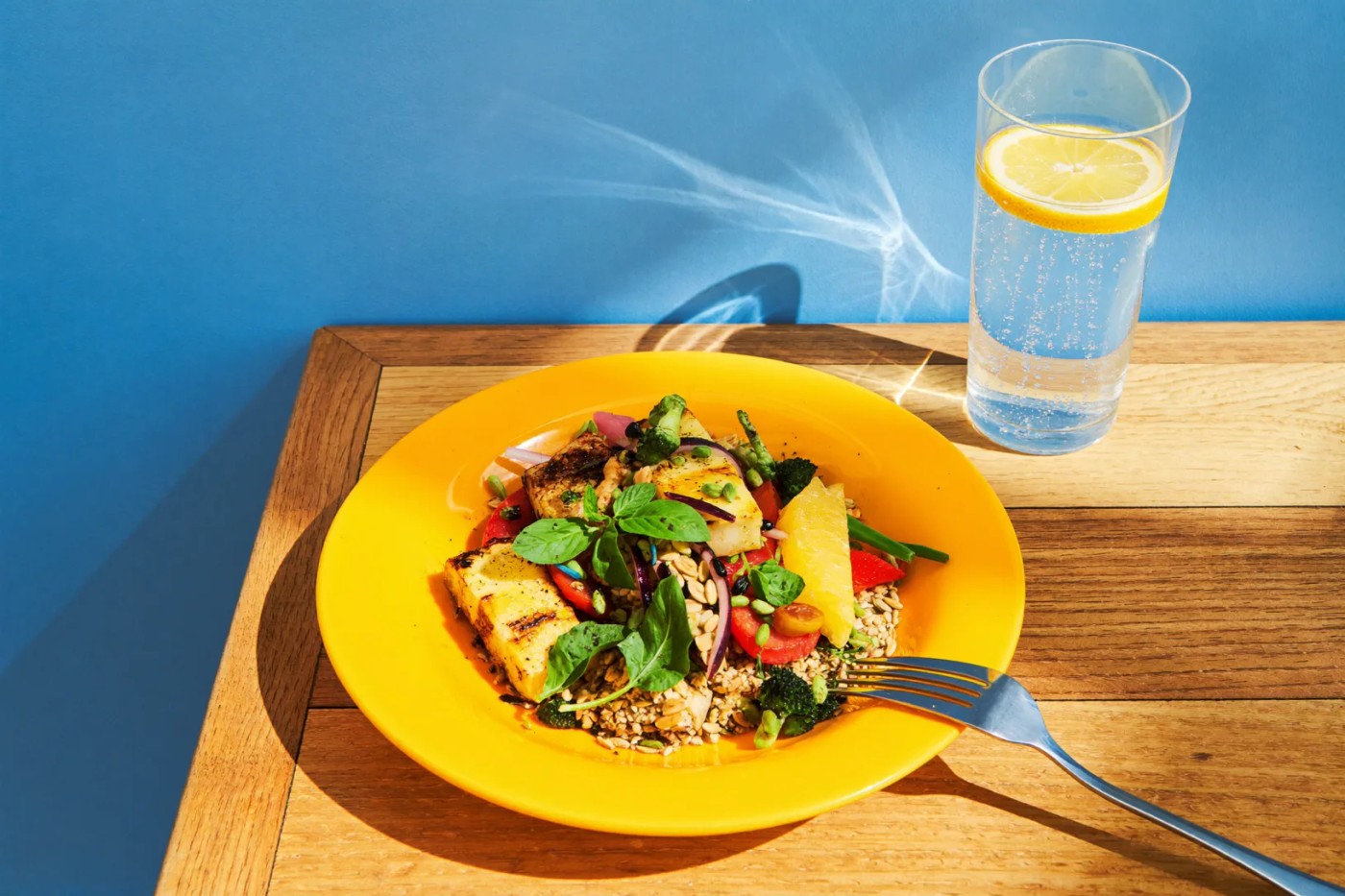
You do not need elaborate recipes, and you do not need a different plan from the rest of the household; the principles mirror the NHS Eatwell Guide, scaled to a smaller plate. A reliable structure is:
- Start with a protein: eggs, fish, poultry, lean meat, beans, lentils or tofu
- Add vegetables for fibre, vitamins and minerals
- Add a smaller portion of wholegrain carbohydrate
- Include a little healthy fat, such as olive oil or avocado
On a smaller appetite, keep the protein portion intact and scale the rest down rather than dropping the protein. Eating the protein first also means the most important part is not left behind when you fill up quickly; there is more on this in eating with a reduced appetite.
What does a day on a Mounjaro meal plan look like?
As an illustration rather than a prescription: breakfast might be Greek yoghurt with berries and a spoon of oats, or scrambled eggs on one slice of wholegrain toast. Lunch could be a small bowl of lentil soup with cheese, or tinned salmon with pre-cooked grains and cucumber. Dinner might be a palm-sized chicken thigh from a traybake with roasted vegetables, or a portion of bean chilli from the freezer. Between meals, fluids count as much as food: sip steadily, because hydration on GLP-1 treatment slips easily when you are eating less.
Notice what the day avoids as much as what it includes: nothing deep-fried or very rich, because fatty meals sit heavily when digestion is slower, and no giant portions that turn a pleasant meal into a queasy evening. For specific food choices that sit well on treatment, see what to eat on Mounjaro.
Batch cooking: cook once, eat several times
Batch cooking is ideal when appetite and energy vary. Make a larger amount of something protein-rich, a chilli with beans, a chicken traybake, a lentil dhal, and portion it for the fridge or freezer in smaller-than-usual servings, since your old portion sizes no longer apply. On a low day, a good meal is minutes away rather than a hurdle, and you decide how much to eat when it is on the plate rather than committing to a full serving upfront.
Batch cooking also tends to be economical, which matters when you are buying more protein than before; the British Nutrition Foundation's guide to eating well on a budget has practical suggestions, including using frozen and tinned produce, which are just as nutritious as fresh and far more forgiving of an unpredictable appetite.
Keep easy wins ready
- Boiled eggs, Greek yoghurt, tinned fish, pre-cooked pulses
- Pre-chopped or frozen vegetables
- Portioned leftovers in the freezer
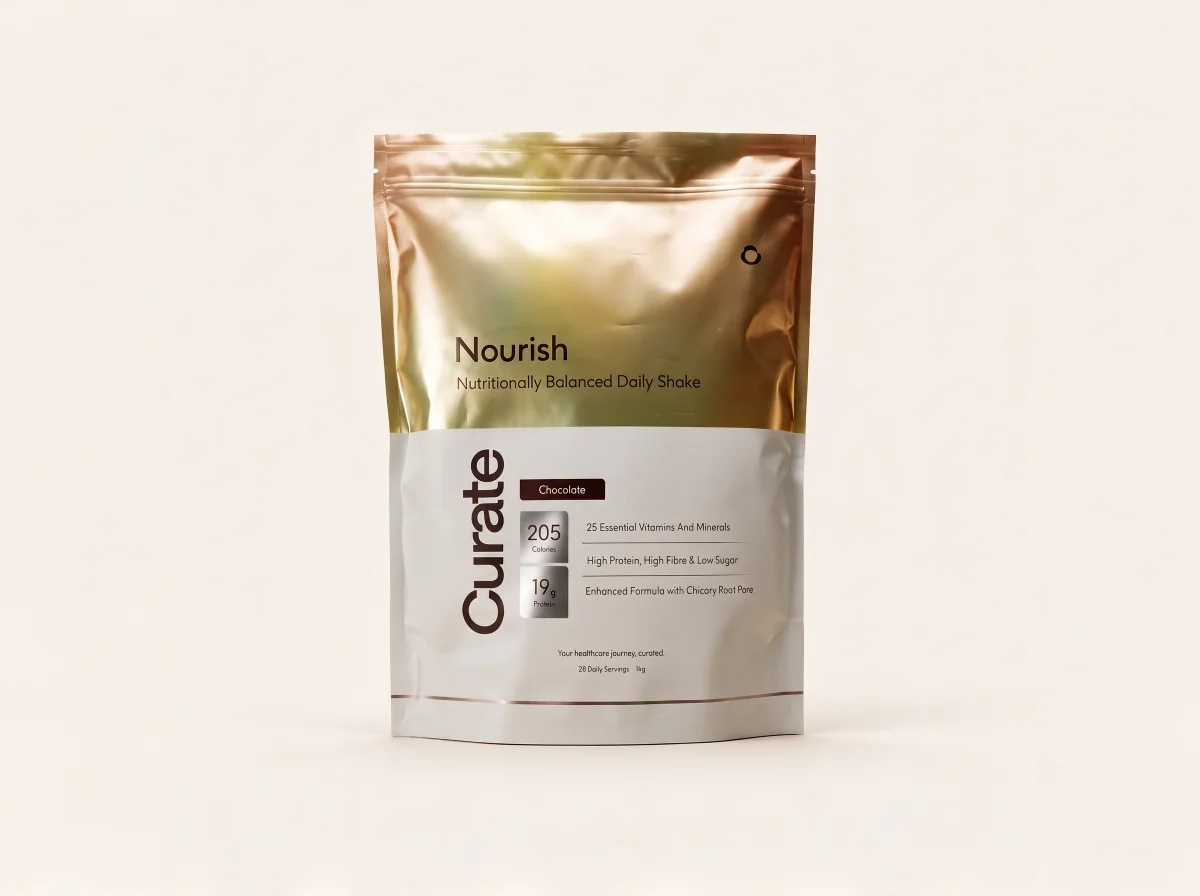
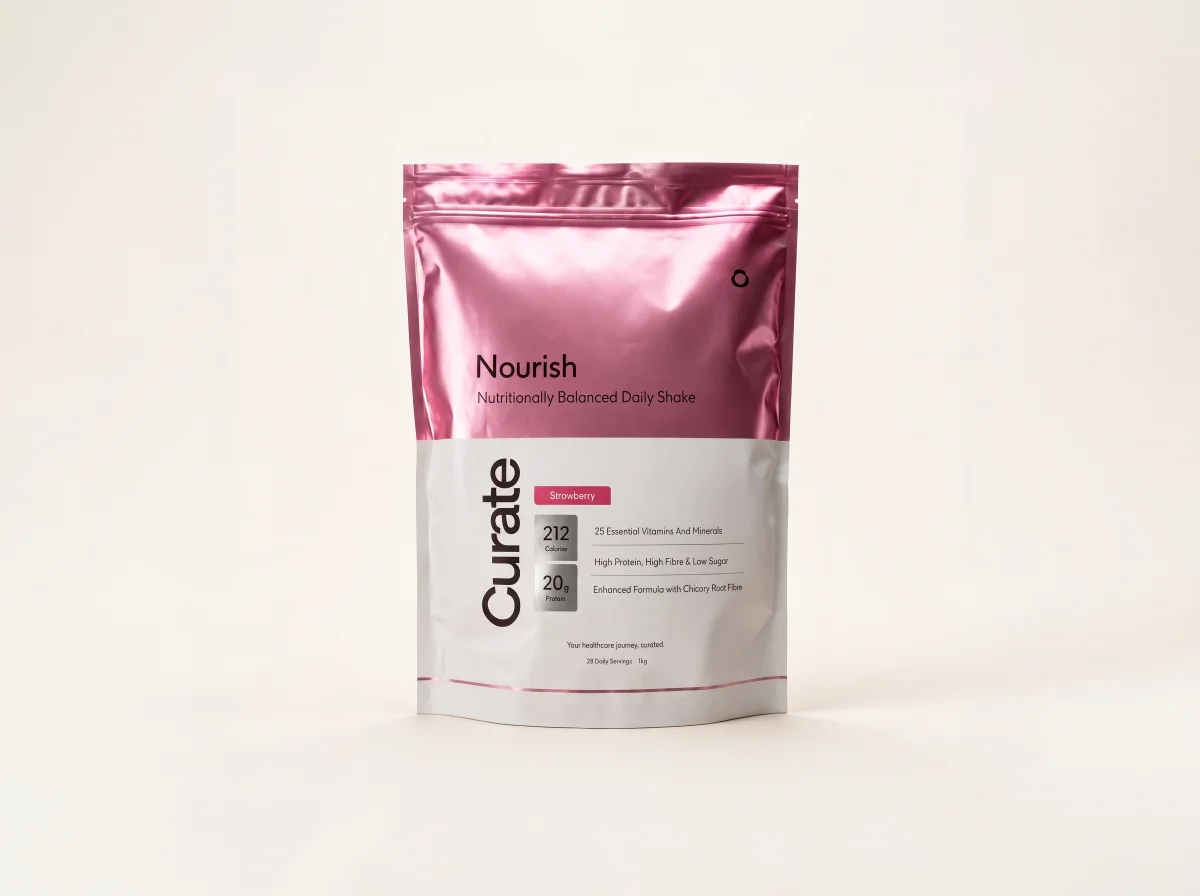
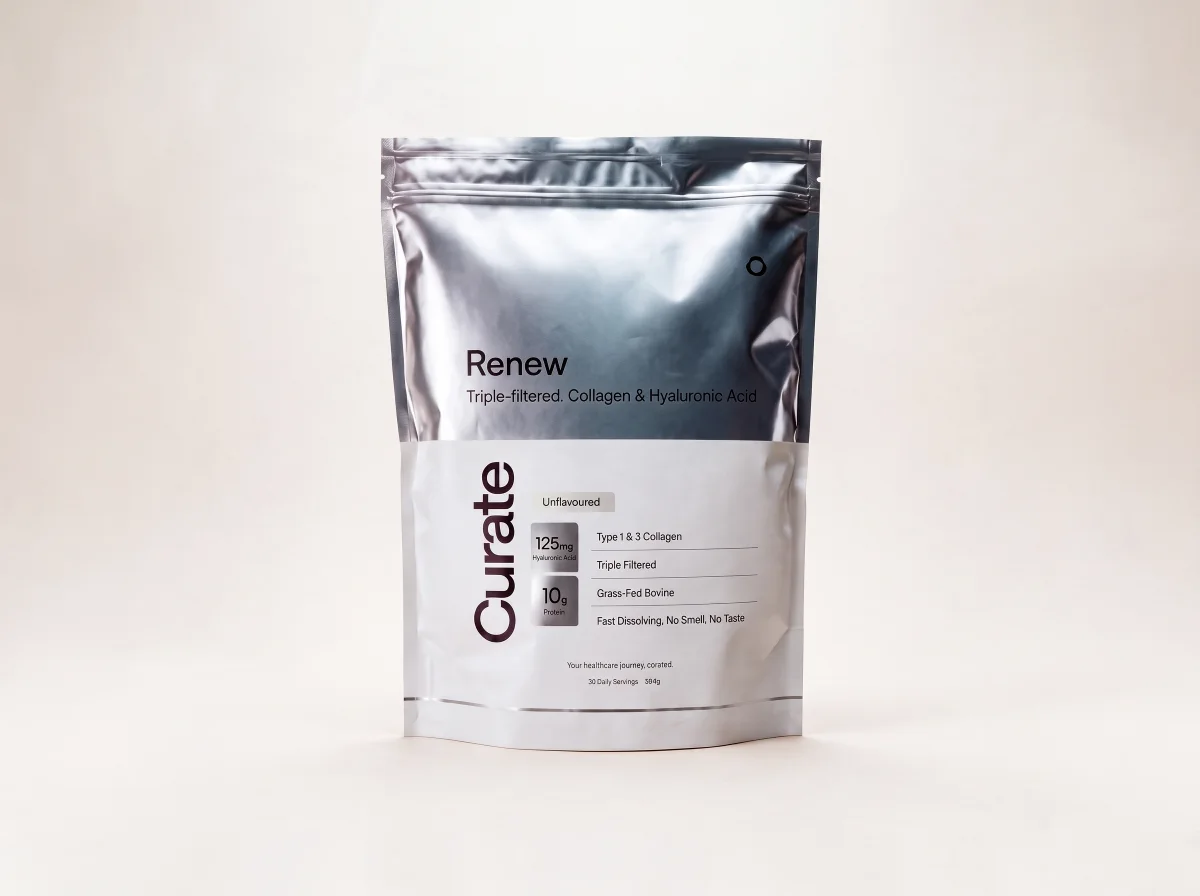
- A protein drink for days whole food feels like too much
That last one deserves a caveat: a shake is a stopgap for low days, not a foundation. If you find yourself relying on them most days, it is worth reading our comparison of protein shakes and meal replacements and mentioning it at your treatment review, because a persistently tiny appetite sometimes means the dose or the plan needs adjusting.
A weekly planning routine that takes ten minutes
Once a week, before you shop, sketch the week in three lines: which evenings you will cook, which will come from the freezer, and which need a no-cook option like eggs or tinned fish. Shop to that sketch, cook your batch on the day you have most energy, and stop there. The aim is not a spreadsheet; it is never having to answer the question "what can I face eating?" at 7pm with an empty fridge.
Planning around dose increases
Appetite is not steady on Mounjaro: it typically dips hardest in the days after a dose increase, then recovers somewhat as your body adjusts. Use that pattern. Schedule batch cooking for the week before a step up, keep the easy-wins shelf stocked for the week after, and lean on gentler, plainer meals while your stomach settles. Rich, fatty or very sweet food is most likely to backfire in exactly that window.
Flexibility, not rigidity
A meal plan on GLP-1 treatment is a helpful default, not a rule to feel bad about breaking. On lower days, focus on getting protein and fluids in; on better days, eat a fuller, varied plate. The plan's job is to make the good choice the easy one, and a plan that survives contact with a bad week is worth more than a perfect one that does not.