









Here's what we'll cover
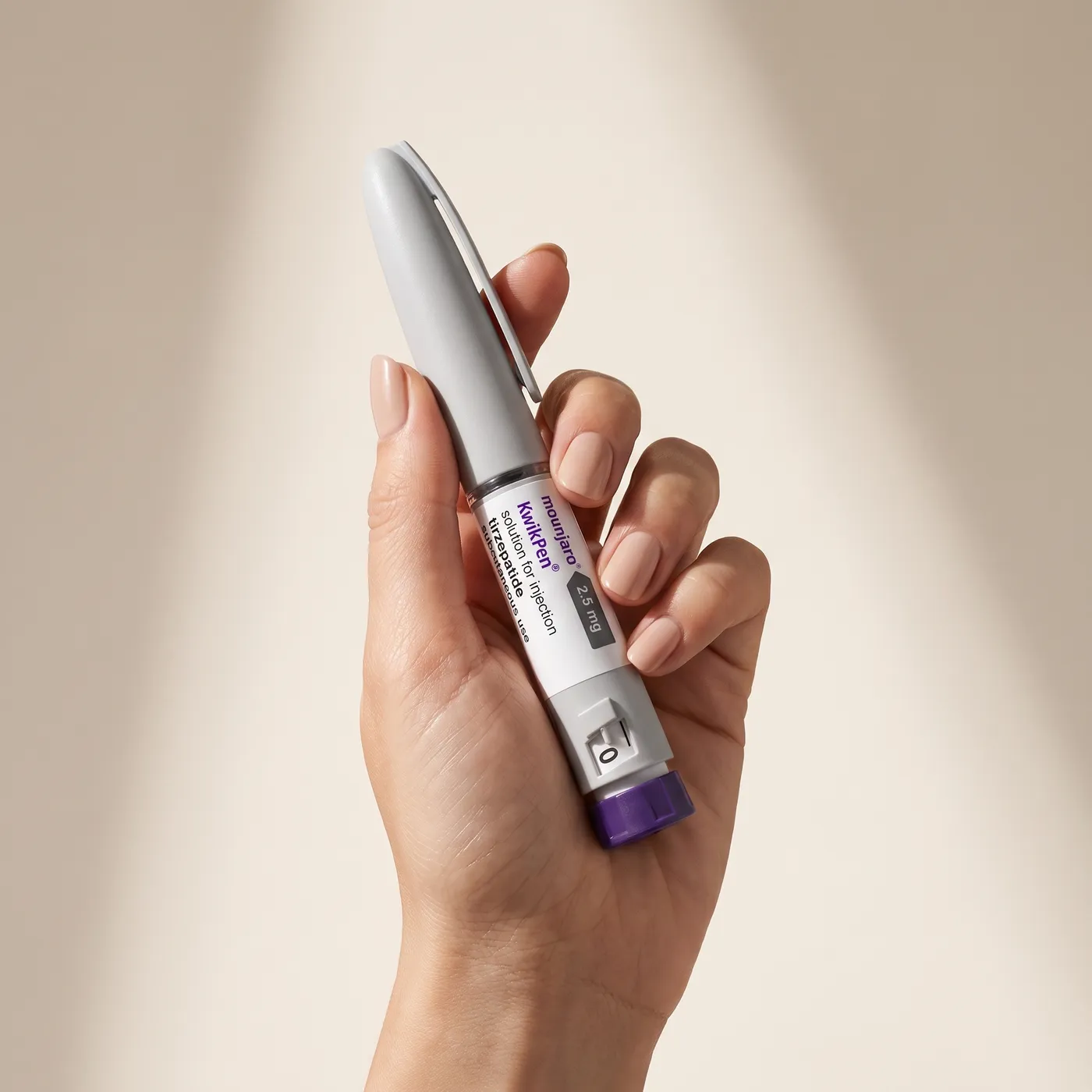
Mounjaro fatigue is usually a knock-on effect of eating and drinking less rather than the medicine acting on energy directly. As appetite drops, under-eating, mild dehydration and blood-sugar dips between meals can leave you feeling flat, especially in the early weeks and just after a dose increase. Keeping meals balanced, staying hydrated and protecting your sleep usually restores your energy, and for most people the tiredness eases as the body settles.
This guide explains why Mounjaro can make you tired, what helps most, and when tiredness is worth getting checked. The good news is that the usual causes are within your control, and small changes to how you eat, drink and rest often make a clear difference within a week or two.
Does Mounjaro make you tired, and why?
Yes, some people feel tired on Mounjaro, and it is a recognised effect, though it is not universal and many people notice no change in energy at all. As your appetite drops you naturally eat less, and sometimes that tips into eating too little, or too little of the right things, to fuel your day. Lower food and fluid intake, dips in blood sugar between meals, and simply adjusting to treatment can all leave you feeling flat, particularly in the first few weeks or after a dose increase. It usually reflects how the medicine reduces appetite rather than a direct effect on energy, and it overlaps with the other common GLP-1 side effects.
It is worth separating two things: expected, settling tiredness in the early weeks, and tiredness that persists or worsens. The first usually improves as you adjust and get your eating and drinking right. The second is worth a closer look, since it may not be the treatment at all. Fatigue is one of the recognised effects listed in the Mounjaro product information, but so are the digestive effects that make it easy to under-eat. If nausea or a very low appetite is stopping you eating properly, tackling that often lifts the tiredness as a knock-on effect, which is why the two are worth thinking about together rather than in isolation.
Eat enough of the right things
A smaller appetite makes it more important that what you do eat counts:
- Include protein at each meal to sustain energy and protect muscle.
- Do not skip meals, even if you are not very hungry; eat smaller amounts more regularly.
- Include some slow-release carbohydrates such as wholegrains.
- Eat a range of vegetables and fruit for vitamins and minerals.
Getting enough protein on GLP-1s matters especially, and our guide to eating with a reduced appetite has practical ways to keep intake up when hunger is low. The British Nutrition Foundation explains how much protein most adults need.
Hydration, sleep and movement
It is easy to drink less when you are eating less, and mild dehydration is a classic cause of tiredness and headaches, so keep fluids up steadily through the day. Good sleep and regular gentle activity both support energy, and activity can actually reduce fatigue rather than add to it. If you are tired, a short walk often helps more than resting. Staying well hydrated on treatment is one of the simplest fixes.
Blood sugar plays a part too. Long gaps between small meals can leave you running low on fuel, so spacing modest, balanced meals across the day steadies energy better than one or two larger ones. If tiredness clusters in the days just after your injection, that pattern usually eases as each dose settles, much like the settling-in described in our guide to the first 12 weeks on treatment. Protecting a regular sleep routine matters as much as diet; poor sleep amplifies both tiredness and appetite.
Nutrients that affect energy
Eating less can mean taking in less of the nutrients that support energy, particularly if variety drops. Iron is a common one: low iron can cause tiredness, and a smaller appetite can make it harder to get enough from food. B vitamins and general under-nutrition can play a part too. This is not a reason to reach for supplements automatically, but it is a reason to keep meals varied and protein-rich, and to raise persistent tiredness with your clinician, who can check whether anything specific is low. Micronutrients matter more, not less, when you are eating smaller amounts.
A simple daily routine that helps
Putting the pieces together, a routine that tends to work is: a protein-containing breakfast, regular modest meals rather than long gaps, fluids sipped through the day, a short walk or two, and a protected wind-down before a consistent bedtime. None of it is dramatic, but together it addresses the common drivers of tiredness on treatment at once, and once these habits are established they tend to look after themselves.
When to get tiredness checked
If fatigue is severe, persistent, or not improving with these steps, mention it to your clinician. Occasionally tiredness has another cause worth checking, such as low iron or an unrelated condition, and your clinical team can help work out whether anything else is going on. Persistent fatigue is a reason to review rather than to push through, especially if it comes with other symptoms.