






Here's what we'll cover
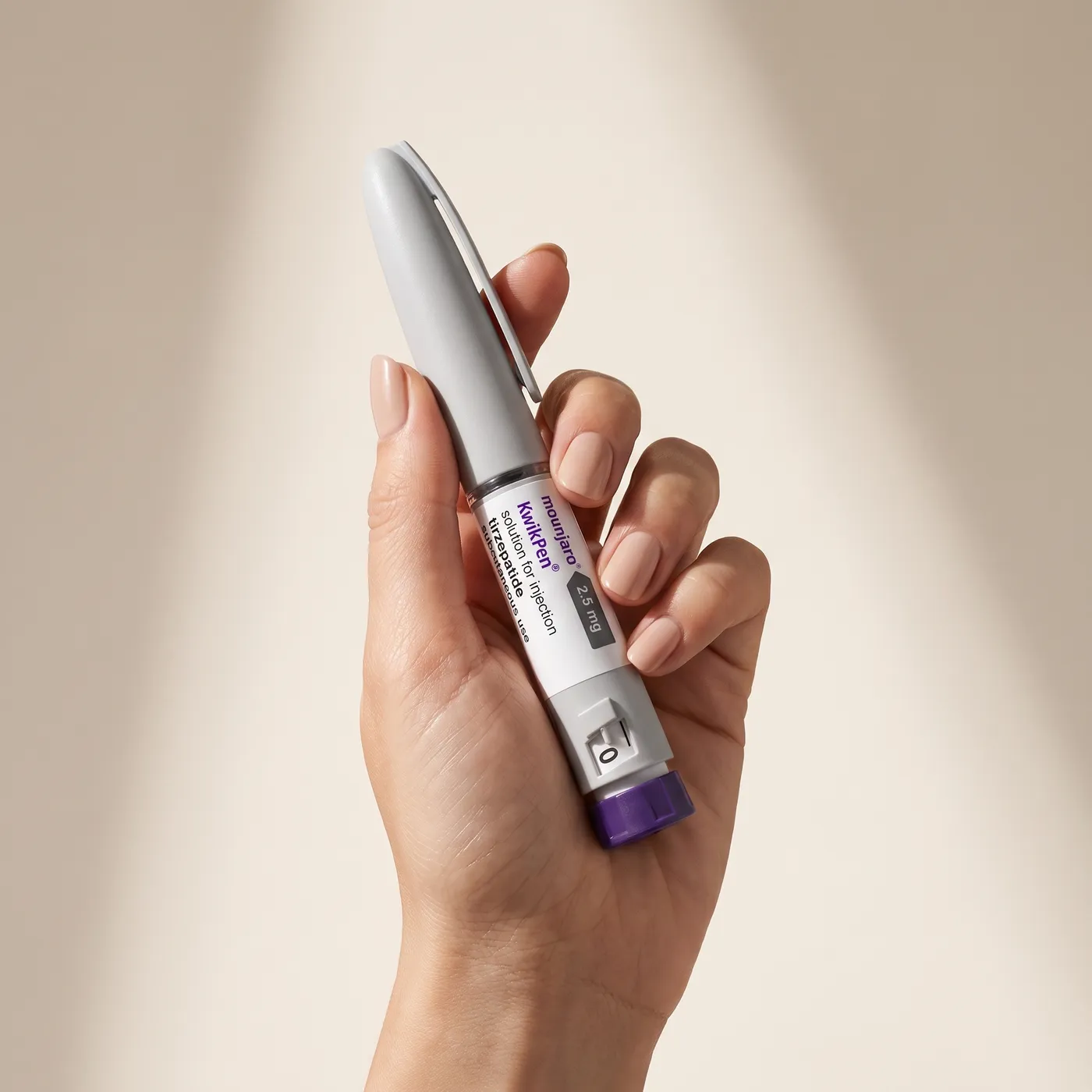
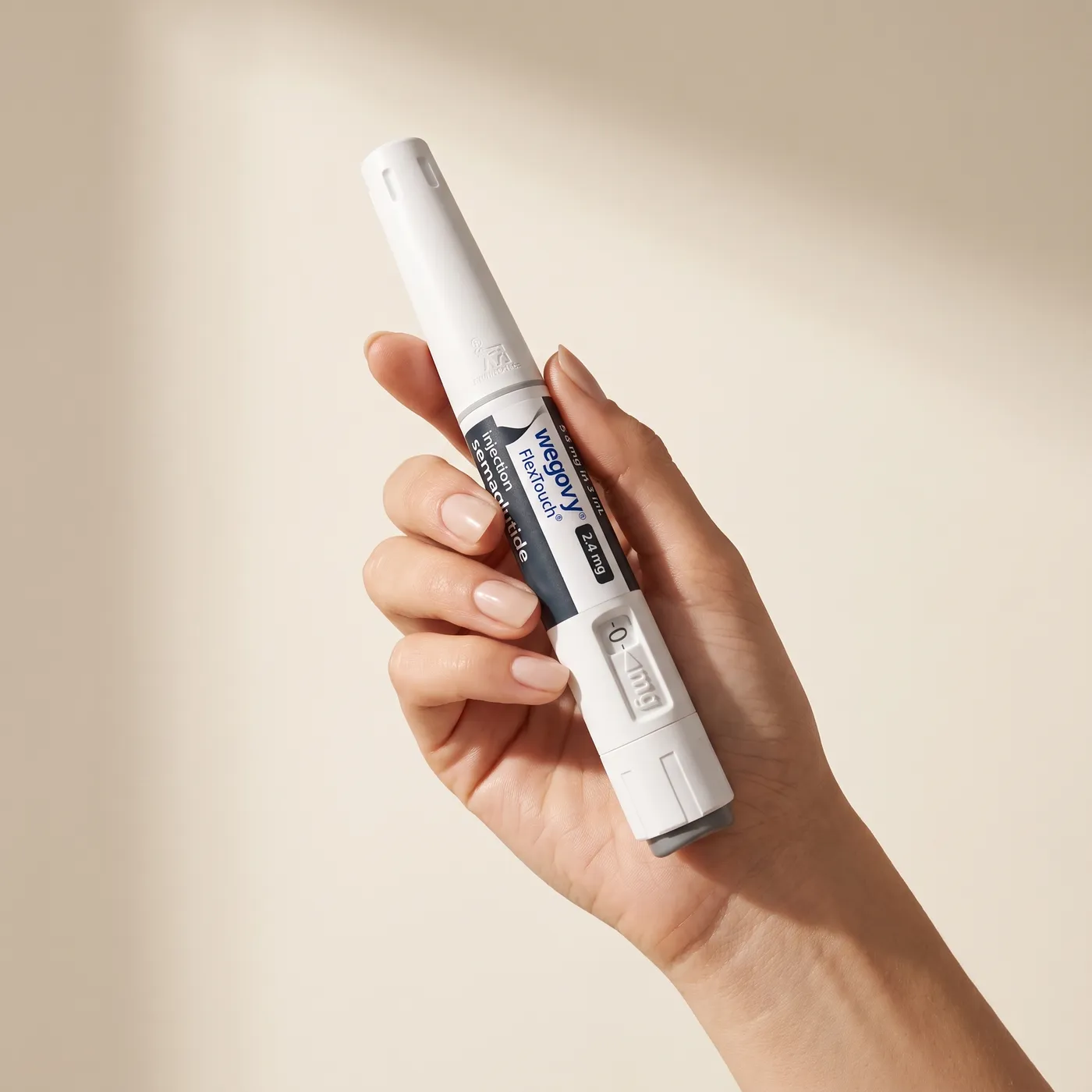
Mounjaro and pregnancy do not mix: GLP-1 weight-loss medicines such as Mounjaro (tirzepatide) and Wegovy (semaglutide) must not be used during pregnancy, and UK product information advises stopping them before you try to conceive. Tirzepatide should be stopped at least one month before a planned pregnancy, and semaglutide at least two months before.
Can you take Mounjaro while pregnant?
No. There is not enough safety evidence in humans to support using GLP-1 weight-loss medicines during pregnancy, animal studies have shown harm to the developing baby at high exposures, and the Mounjaro Summary of Product Characteristics states it should not be used while pregnant. Weight loss is also not a goal during pregnancy, when the focus shifts to healthy weight gain and good nutrition for you and your baby.
What is Mounjaro and why does this matter?
Mounjaro is the brand name for tirzepatide, a weekly injection that works on the GLP-1 and GIP gut-hormone receptors to reduce appetite and slow digestion; our guide to how Mounjaro works covers the detail. Two properties matter for family planning. First, these are long-acting medicines that take weeks to leave the body. Second, they slow stomach emptying, which can reduce how well oral contraception is absorbed, exactly when reliable contraception matters most.
How long before trying to conceive should you stop?
The washout period depends on the medicine, because each takes a different time to clear the body:
- Mounjaro (tirzepatide): stop at least 1 month before a planned pregnancy
- Wegovy (semaglutide): stop at least 2 months before, because of its long half-life, per the Wegovy Summary of Product Characteristics
These intervals exist because a weekly injection keeps working long after the last dose; our explainer on how long Mounjaro stays in your system sets out the timeline. If you are thinking about trying for a baby, raise it with your prescriber early rather than close to the time, so stopping can be planned properly rather than rushed.
Planning the stop is worth doing well. Appetite tends to return after treatment ends, so it helps to have eating habits and support in place; our guide to stopping GLP-1 treatment explains what to expect. The NHS guide to planning your pregnancy also covers folic acid, general health checks and other medicines worth reviewing before you conceive.
Contraception while on treatment
Because these medicines must not be used in pregnancy, reliable contraception during treatment is essential for anyone who could become pregnant. There is an added wrinkle: tirzepatide can reduce how well the contraceptive pill is absorbed, particularly when you start and around each dose increase. The product information advises switching to a non-oral method, or adding a barrier method such as condoms, for four weeks after starting and after each dose increase.
The MHRA's guidance on GLP-1 medicines makes the same points: use effective contraception while on treatment, and do not use these medicines while pregnant, trying to conceive or breastfeeding. If you use the pill, discuss your options with your prescriber before your first dose rather than after.
Can you take Mounjaro while breastfeeding?
No. GLP-1 weight-loss treatment is not recommended while breastfeeding, because it is not known whether the medicine passes into breast milk and a risk to the baby cannot be excluded. If you are breastfeeding or planning to, discuss timing and alternatives with your prescriber; treatment can be revisited once feeding has finished.
What if you become pregnant on treatment?
If you discover you are pregnant while taking GLP-1 treatment, stop the medicine and contact your prescriber and maternity care team promptly for advice. Do not delay seeking guidance, and do not panic either: unplanned exposure happens, and the right next step is a conversation with your clinical team, who can arrange the monitoring and support you need. It also helps to mention the medicine at your booking appointment with your midwife, so it is recorded and factored into your antenatal care.
Weight, fertility and the bigger picture
For some people, losing weight before conceiving is itself part of the plan: carrying excess weight can affect fertility and raises the risk of complications in pregnancy, which is one reason clinicians sometimes support structured weight-loss treatment well before a planned pregnancy. Rapid weight loss can also restore ovulation in some people who were not ovulating regularly, which is another reason contraception during treatment should not be left to chance. The sequence matters: treat, stop, wash out, then conceive.
What about men who are trying for a baby?
The washout advice above applies to the person who would carry the pregnancy. UK product information does not set a stopping period for men whose partner is trying to conceive, and there is no established evidence of harm through that route. If you are unsure about your own situation, ask your prescriber; it is a quick question to settle.
Restarting after pregnancy is also a planned decision rather than an automatic one. Eligibility is reassessed against the licence criteria at that point, and breastfeeding has to have finished first. If your weight has changed substantially, the right treatment plan may look different from the one you paused.
Talking to your prescriber
Family planning is an essential part of the conversation around GLP-1 treatment, at the start and at every review. Be open about your plans and circumstances, even loosely held ones, so contraception, stopping dates and safety can all be managed properly. A regulated UK prescriber will ask; if you are buying weight-loss medicine from somewhere that does not, that is a warning sign in itself.