





Here's what we'll cover
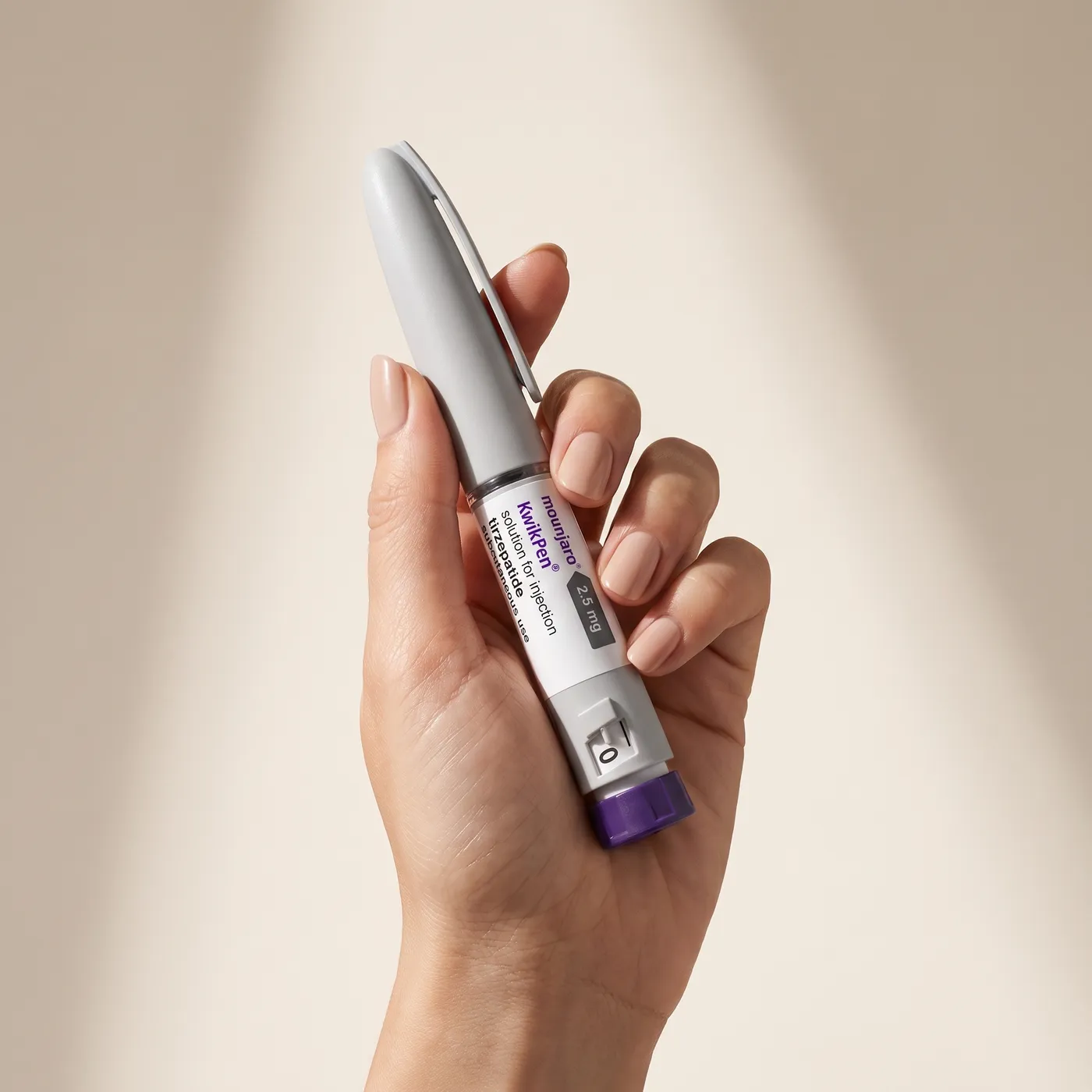
Mounjaro and contraception need careful handling: because Mounjaro (tirzepatide) slows digestion, it can reduce how well the contraceptive pill is absorbed, especially after starting and around each dose increase. UK product information advises switching to a non-oral method, or adding condoms, for four weeks after starting and after each dose increase.
Why does Mounjaro affect the pill?
The oral contraceptive pill has to be absorbed from the gut to work. Mounjaro slows stomach emptying, which changes how quickly and completely oral medicines reach the bloodstream, and it can cause vomiting or diarrhoea, particularly in the early weeks and around dose increases. Both effects can reduce how reliably the pill is absorbed, which in turn can reduce how well it protects against pregnancy.
The timing is not random. The gastric-slowing effect of tirzepatide is strongest when you first start and each time the dose steps up, then fades as your body adjusts; our explainer on why GLP-1 doses step up covers the schedule. That is exactly why the extra-precaution windows sit where they do.
What the guidance says: four weeks of extra cover
The Mounjaro Summary of Product Characteristics advises that people using oral contraceptives should either switch to a non-oral method or add a barrier method, such as condoms, for four weeks after starting treatment and for four weeks after each dose increase. The MHRA's patient guidance on GLP-1 medicines reinforces the same point: effective contraception is essential during treatment, because these medicines must not be used in pregnancy.
In practice, on the standard escalation schedule those four-week windows recur several times in the first months of treatment, so many people find it simpler to use a non-oral method throughout rather than tracking windows. Your prescriber and your product information are the authorities for your specific medicine and dose.
Does Wegovy affect contraception too?
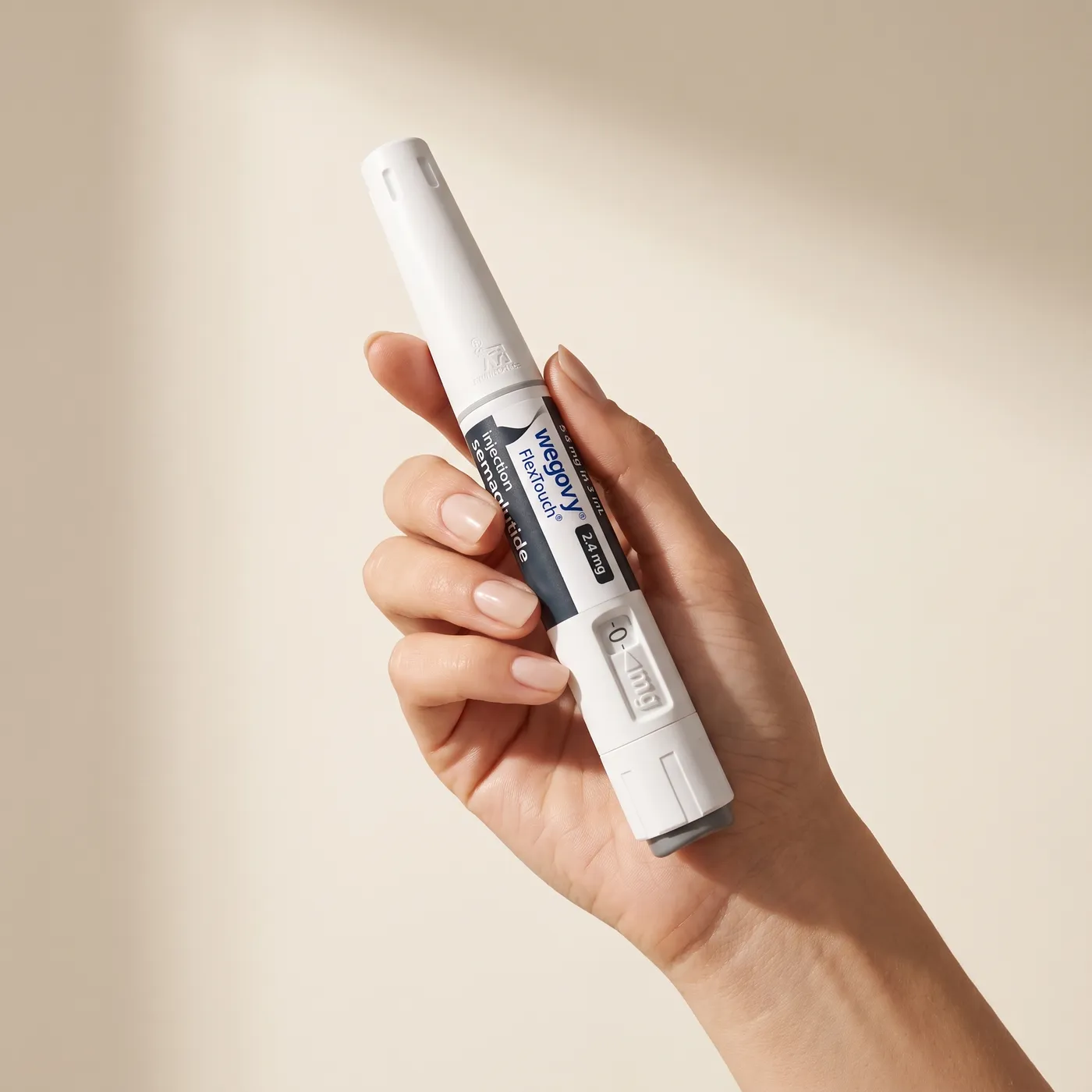
The four-week barrier advice is specific to tirzepatide. Studies of semaglutide (Wegovy) found it did not meaningfully reduce exposure to combined oral contraceptives, so its product information does not carry the same instruction; we cover this in detail in does Wegovy affect contraception. The vomiting and diarrhoea caveat still applies to any GLP-1 medicine, though: a pill that does not stay down cannot work, whatever you are injecting.
What if you are sick or have diarrhoea?
Standard NHS guidance on the combined pill already covers this: if you vomit within about three hours of taking your pill, take another as soon as you feel well enough, and treat severe diarrhoea like missed pills, using extra precautions until you are back on track. On GLP-1 treatment those symptoms are more likely, especially early on and around dose increases, so the same rules apply and matter more. Our guide to managing nausea on GLP-1s can help reduce how often this happens in the first place.
Does this apply to the mini pill too?
Yes. The product information advice covers oral contraceptives generally, and the progestogen-only pill depends on gut absorption in the same way as the combined pill. It is also less forgiving of timing errors, with a window of as little as three hours for traditional versions, so the same four-week precautions and the same sickness rules apply if you use it.
What about emergency contraception?
Oral emergency contraception is absorbed from the gut as well, and standard advice is to seek a repeat dose if you vomit within about three hours of taking it. If you need emergency contraception while on GLP-1 treatment, tell the pharmacist or clinician you are taking a GLP-1 medicine; the copper coil is the most effective option and is unaffected by digestion.
Which contraception methods are not affected?
Any method that does not depend on gut absorption sidesteps the problem entirely:
- The implant, hormonal coil (IUS) or copper coil (IUD), which are also the most effective methods available
- The contraceptive injection, patch or vaginal ring
- Condoms, used correctly, either alone or as the added barrier method during the four-week windows
For some people, switching to a long-acting method for the duration of treatment is the simplest and most reliable option: nothing to remember daily, no absorption question, and no windows to track around dose increases. This is a personal and clinical decision; your prescriber, GP or a sexual health service can help you choose, and contraception is free of charge on the NHS.
Planning contraception around treatment
Contraception on GLP-1 treatment is not only about absorption. These medicines must not be used in pregnancy at all, and there is a set washout period before trying to conceive, which we cover in Mounjaro and pregnancy planning. Rapid weight loss can also restore regular ovulation in some people, so fertility may be higher on treatment than it was before, another reason not to leave contraception to chance.
A regulated UK prescriber will ask about contraception at your initial consultation and at reviews, and the question deserves a straight answer even if it feels intrusive; it exists to protect you. This is one of the most important conversations to have when starting treatment, and the pill is not the only medicine affected by slower digestion; our guide to GLP-1s and other medications covers the rest. Do not leave it to chance: tell your prescriber if you use the pill, follow the specific advice for your medicine, and use additional protection whenever there is any doubt. Five minutes of planning at the start of treatment spares you months of uncertainty later.