







Here's what we'll cover
To know whether an online pharmacy is legit, check that it is registered with the regulator, requires a genuine consultation before prescribing, and is open about who its clinicians are. In the UK you can verify registration yourself in a couple of minutes on the official General Pharmaceutical Council (GPhC) register, and doing so is your best protection against unsafe or illegal sellers.
Why this matters
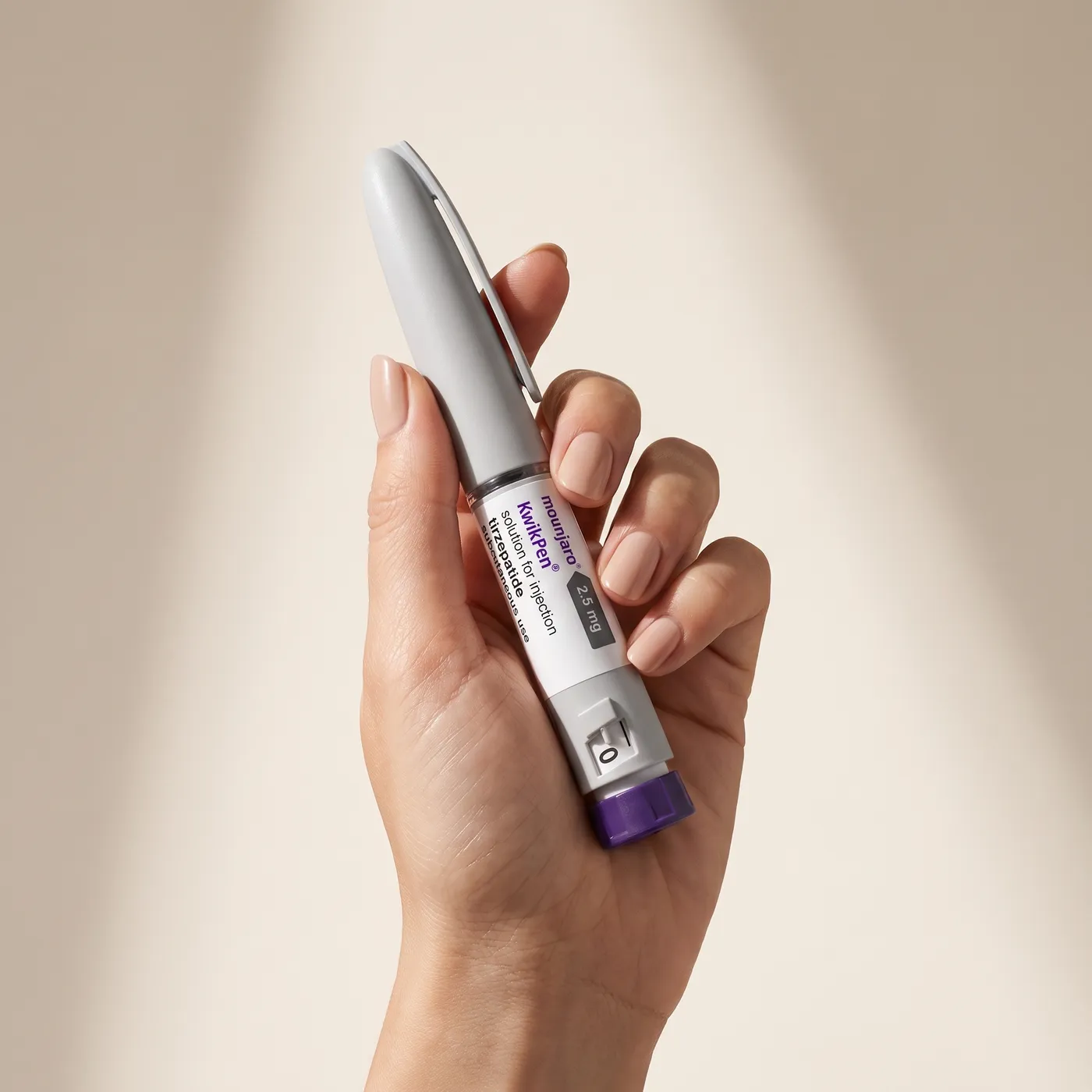
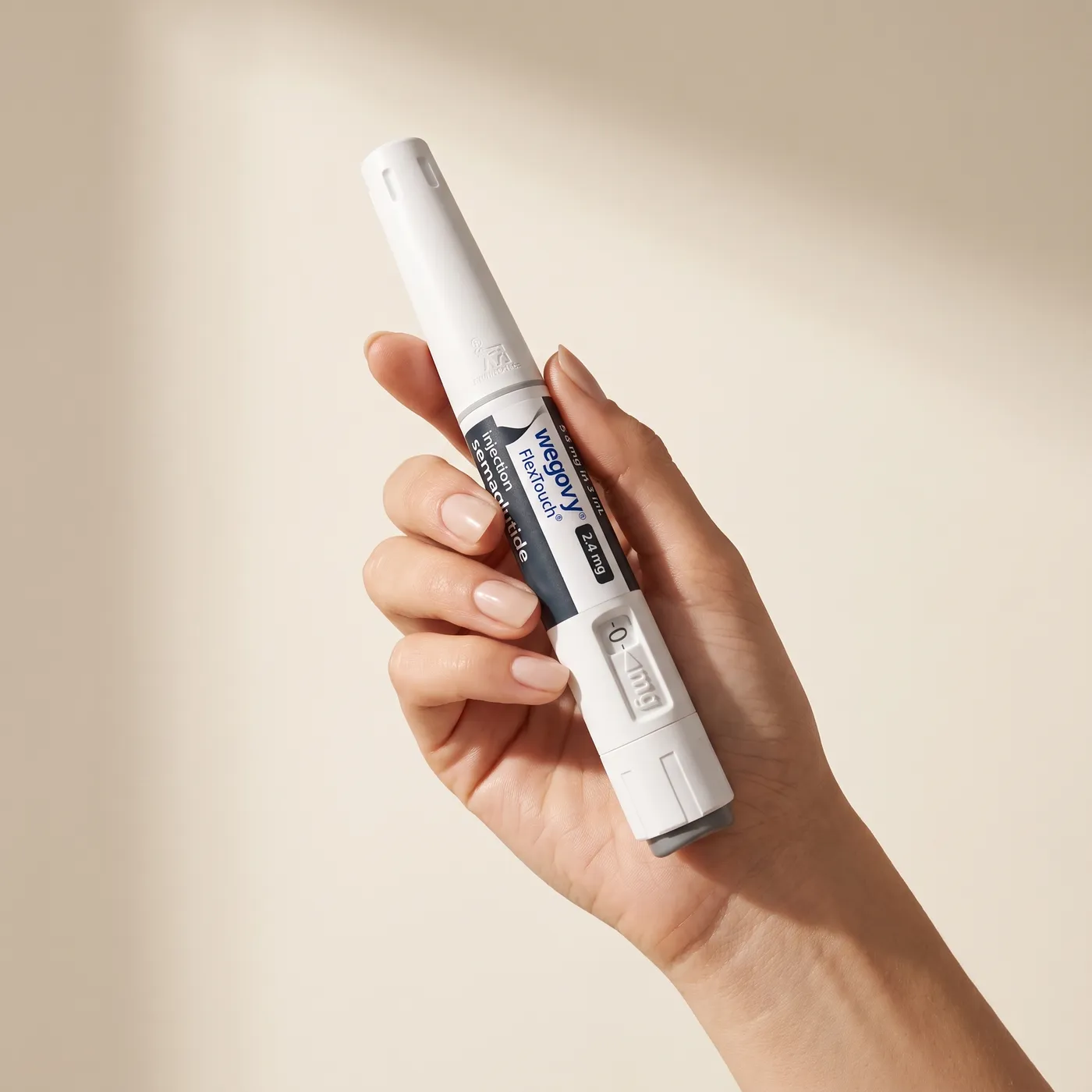
Demand for weight-loss and other treatments has attracted unsafe and illegal sellers, some offering prescription medicines without any consultation, others selling counterfeit products. Prescription medicines require clinical oversight for good reason, and buying them from an unregulated source risks the wrong treatment, the wrong dose, or a fake product, with no safety net if something goes wrong. The MHRA, the UK medicines regulator, warns through its FakeMeds campaign that medicines bought from unregulated websites are among the most commonly counterfeited products in the world. Whether you are looking at a Mounjaro online pharmacy, a Wegovy online pharmacy or a finasteride online pharmacy, the checks are the same.
How do I check an online pharmacy is legit?
The single most important step is to verify registration on the official GPhC register, which lists every registered pharmacy in Great Britain along with its details. Alongside that, look for the following:
- Registration: legitimate UK pharmacies are registered with the General Pharmaceutical Council (GPhC).
- Verify it: find the pharmacy on the GPhC register itself rather than trusting a logo on the website.
- Named clinicians: a proper service is transparent about its pharmacists and prescribers.
- A real consultation: you should complete a health consultation reviewed by a clinician.
- Registered premises and clear UK contact details shown on the site.
How to use the GPhC register
Verification takes only a minute or two and is worth doing every time, even for a well-known name, because unsafe sites sometimes imitate legitimate brands. Using the GPhC register is straightforward. Search for the pharmacy by name or registration number, and check that the name, trading name and premises address match what is on the website you are using. A registered online pharmacy will also display the voluntary EU or GPhC internet pharmacy logo, which links back to its register entry; clicking it should take you to the official record, not just an image. If a site claims to be UK-regulated but you cannot find it on the register, treat that as a serious warning sign. Registration is not optional for a pharmacy operating lawfully in Great Britain.
The red flags
Be wary of any provider that:
- Sells prescription medicine with no consultation or clinical review.
- Lets you simply add a prescription-only medicine to a basket and check out.
- Has no verifiable regulator registration.
- Hides who its clinicians are or has no clear UK contact details.
- Advertises deals that seem too good to be true, a common sign of counterfeits.
The NHS gives similar advice on the dangers of buying medicines online, and it is worth reading if you are new to ordering treatment this way. The common thread is that shortcuts around consultation are not convenience; they are the removal of the safeguards that keep prescribing safe.
What a proper consultation looks like
A genuine online consultation is more than a box to tick. It should ask about your medical history, current medicines, allergies and relevant measurements, and it should be reviewed by a clinician who can query your answers or ask for more information before deciding whether to prescribe. For some treatments, that may mean requesting a photo, a recent blood pressure reading or evidence from your GP. This is the same standard of care you would expect in person, delivered remotely. The principles are the same across categories, and our guide to buying ED treatment safely online walks through what a safe consultation should involve. If a service asks nothing meaningful, or approves you instantly regardless of what you enter, the consultation is a formality rather than a safeguard.
Why proper consultation protects you
A legitimate service will sometimes decline to prescribe, and that is the system working. Consultation exists to check treatment is safe and appropriate for you, to catch interactions and contraindications, and to provide follow-up if problems arise. It also protects against people obtaining a medicine that is unsuitable for them, or ordering more than is safe. For weight-loss medicines in particular, eligibility depends on clinical criteria; our guides to weight-loss injection eligibility in the UK and NHS versus private weight-loss treatment explain what a proper consultation looks at. A seller that never says no is not being generous; it is being unsafe.
The takeaway
Before buying weight-loss or any prescription medicine online, verify the pharmacy on the official GPhC register, confirm it requires a genuine consultation, and walk away from anything that skips consultation or hides who is behind it. A few minutes of checking is your best protection. If you are specifically looking at weight-loss treatment, the same principles apply as for any other medicine, and safe providers will be happy to show you their credentials. If in doubt, you can also report a suspicious website to the MHRA, and you can ask your own GP or a local pharmacist whether a service looks legitimate. Taking a few extra minutes to check is always reasonable when a prescription medicine is involved, and no genuine pharmacy will be offended by it.