








Here's what we'll cover
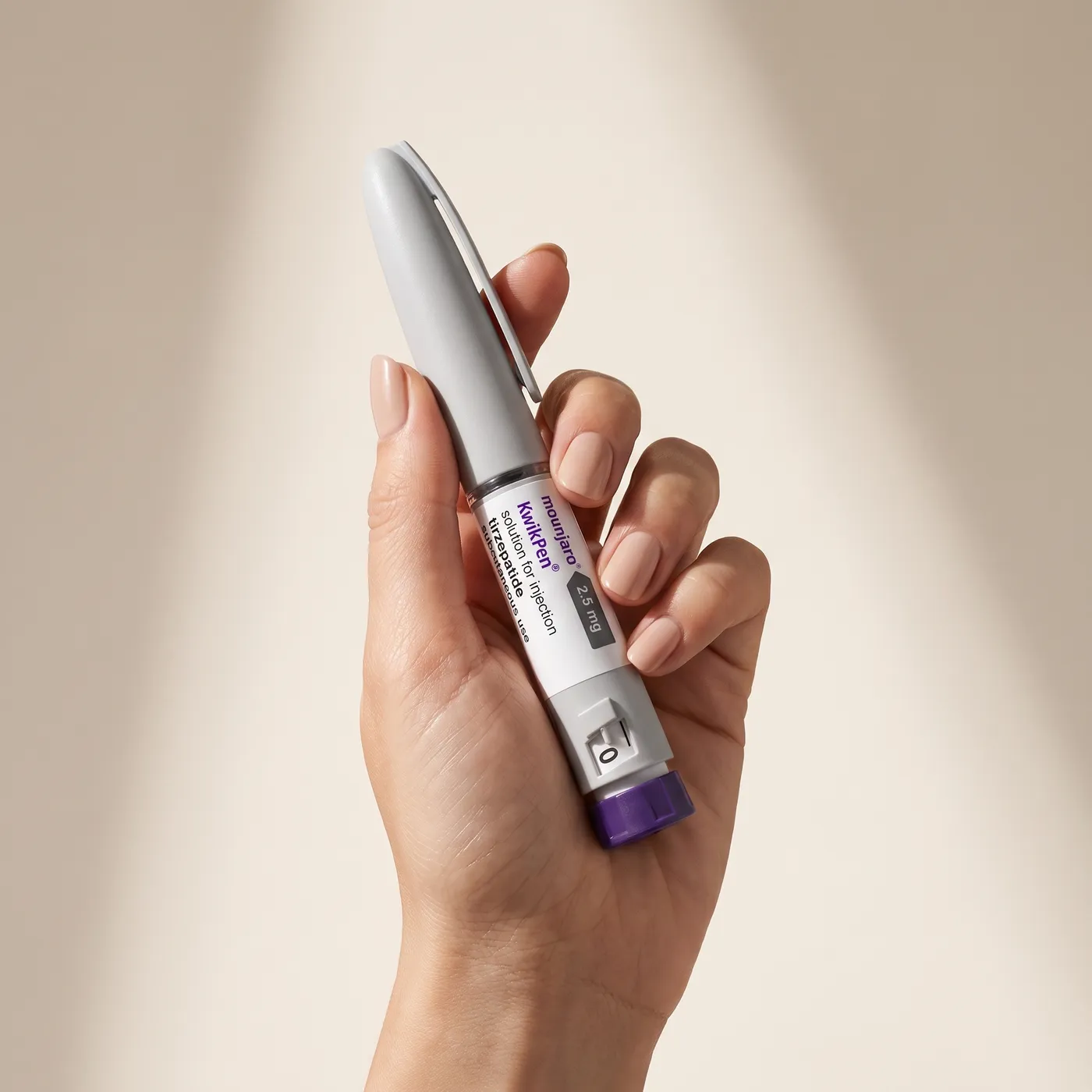
Mounjaro for diabetes and Mounjaro for weight management can look like different products because a UK licence ties a medicine to a specific condition and dose range. The same active ingredient can hold separate licences, and separate brand names, for weight management and for type 2 diabetes, which is why the two uses look different even when the chemistry overlaps.
This guide explains what a medicine licence is, why one ingredient can carry more than one, and what it means when you are reading about these treatments online. It is a source of genuine confusion, and clearing it up helps you judge what you read and understand why your prescriber uses a particular product.
What does 'licensed' mean for a medicine?
Before a medicine can be prescribed in the UK, it is licensed by the regulator for particular uses, known as indications, at particular doses, based on the evidence submitted. The MHRA sets out how medicines are licensed. The licence defines who the medicine is approved to treat and how. Prescribing within the licence means using it as the evidence and approval intend.
One ingredient, separate licences
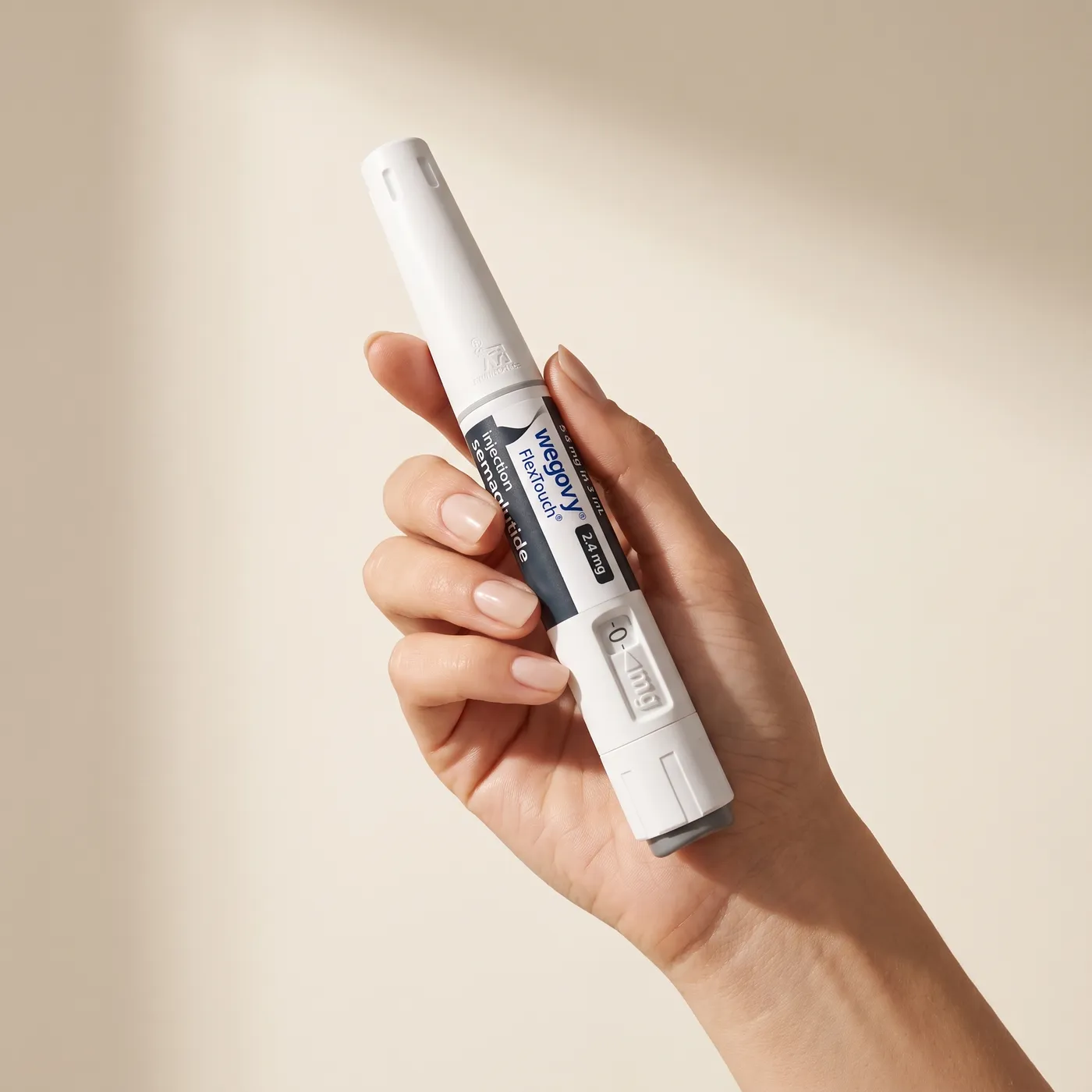
Here is where confusion creeps in. An active ingredient such as semaglutide can be licensed for more than one purpose. It holds one licence, under one brand name, for weight management, and a separate licence, under a different brand name, for type 2 diabetes. Same molecule, different approvals, different products. The same is true of tirzepatide, the ingredient in Mounjaro.
This is not unique to weight-loss medicines. Plenty of ingredients across medicine are licensed for more than one condition, sometimes at different doses and under different names. What is new is how visible it has become, because the same molecules are discussed widely online, often without the licensing context that explains the different branding.
Mounjaro for diabetes versus weight management
Tirzepatide, the active ingredient in Mounjaro, is used both for type 2 diabetes and, more recently, for weight management, and Diabetes UK explains its role in diabetes care. The conditions, dosing and evidence differ, which is why the licences are kept separate. A medicine studied and approved for weight management is prescribed accordingly; the diabetes use follows its own licence. Keeping to the right product for the right purpose keeps prescribing within its evidence base.
How to read what you find online
Because these medicines are discussed so widely, it is easy to end up reading about a product that is not the one relevant to you. A story about a diabetes brand, at diabetes doses, will not map neatly onto weight-management prescribing, even though the ingredient overlaps. When you come across dosing figures, side-effect rates or availability news, it is worth checking which licensed use they refer to before drawing conclusions. Reputable sources, such as the NHS, NICE and the electronic medicines compendium, state the licensed indication clearly.
What this means for you
When you read about a medicine online, the same ingredient may appear under names you do not recognise, licensed for a condition you do not have. What matters is the product licensed for your situation. Curate prescribes for weight management, so the relevant products here are those licensed for that use, chosen by a prescriber after a consultation against the UK eligibility criteria. Understanding how these treatments work helps make sense of why the same molecule appears in both settings.
It is also why comparing a friend's experience on a diabetes product with your own on a weight-management one can mislead. Different doses, different starting points and different licensed uses mean the two are not directly comparable, even setting aside the ordinary variation between people. Your prescriber works from the product and licence that fit your consultation, not from what a medicine is called elsewhere. If a claim online seems to promise more than your own experience, the licensing context is often part of why.
There is a safety angle here worth spelling out. Because the diabetes and weight-management products differ in dose range and licensed use, using the wrong one for the wrong purpose sidesteps the evidence the licence is built on. That is one reason buying medicines outside regulated channels is risky, and why our guide to checking an online pharmacy is regulated matters. A regulated service prescribes the licensed product after a consultation, not on demand, and that consultation is what keeps prescribing within the licence and the evidence behind it.
Off-licence prescribing
Occasionally clinicians prescribe outside a licence where clinically justified, but that is a specific clinical decision with its own safeguards, not the norm. For weight management, prescribing the appropriately licensed product is the standard and safest approach. UK weight management prescribing also sits within NICE guidance, which sets out who treatment is suitable for and how it should be reviewed.
The takeaway
Licensing explains why the same ingredient wears different names for weight and diabetes. It is not marketing sleight of hand; it reflects genuinely different approved uses. If you want the mechanism behind why one molecule helps with both, our guide to how semaglutide works sets it out, and your prescriber uses whichever product is licensed for your situation.