







Here's what we'll cover
Weight loss injections are available on the NHS, but only for people who meet strict clinical criteria, usually through specialist services or a phased GP-led rollout, and waits can be long. Private care reaches the same medicines faster through regulated providers, but you pay. Both routes require proper clinical consultation, and neither offers a different standard of medicine.
Can you get weight loss injections on the NHS?
Yes, in defined circumstances. NHS England provides weight management injections for people who meet criteria set by NICE, historically through specialist weight-management services and, since 2025, through a phased rollout in primary care for tirzepatide. The important detail is that NHS eligibility is deliberately narrower than the medicines' licences: the early phases prioritise people with the highest clinical need, typically higher BMI thresholds combined with weight-related conditions such as type 2 diabetes, high blood pressure or sleep apnoea. It is free at the point of use, embedded in wider NHS care, and comes with dietetic and behavioural support in specialist services. The trade-offs are the strictness of the criteria and, in many areas, waiting lists; access genuinely varies by region as the rollout progresses.
How to get Mounjaro on the NHS
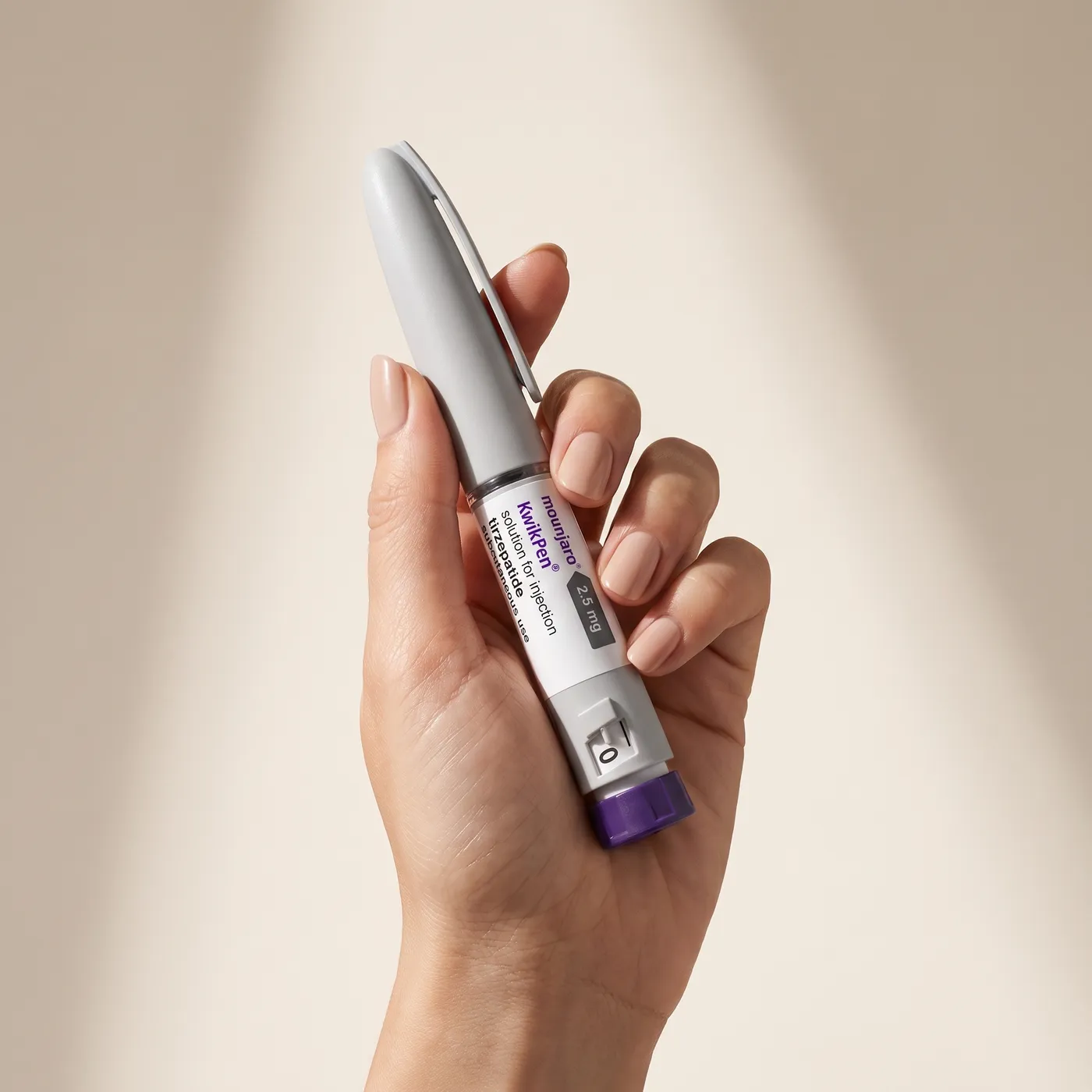
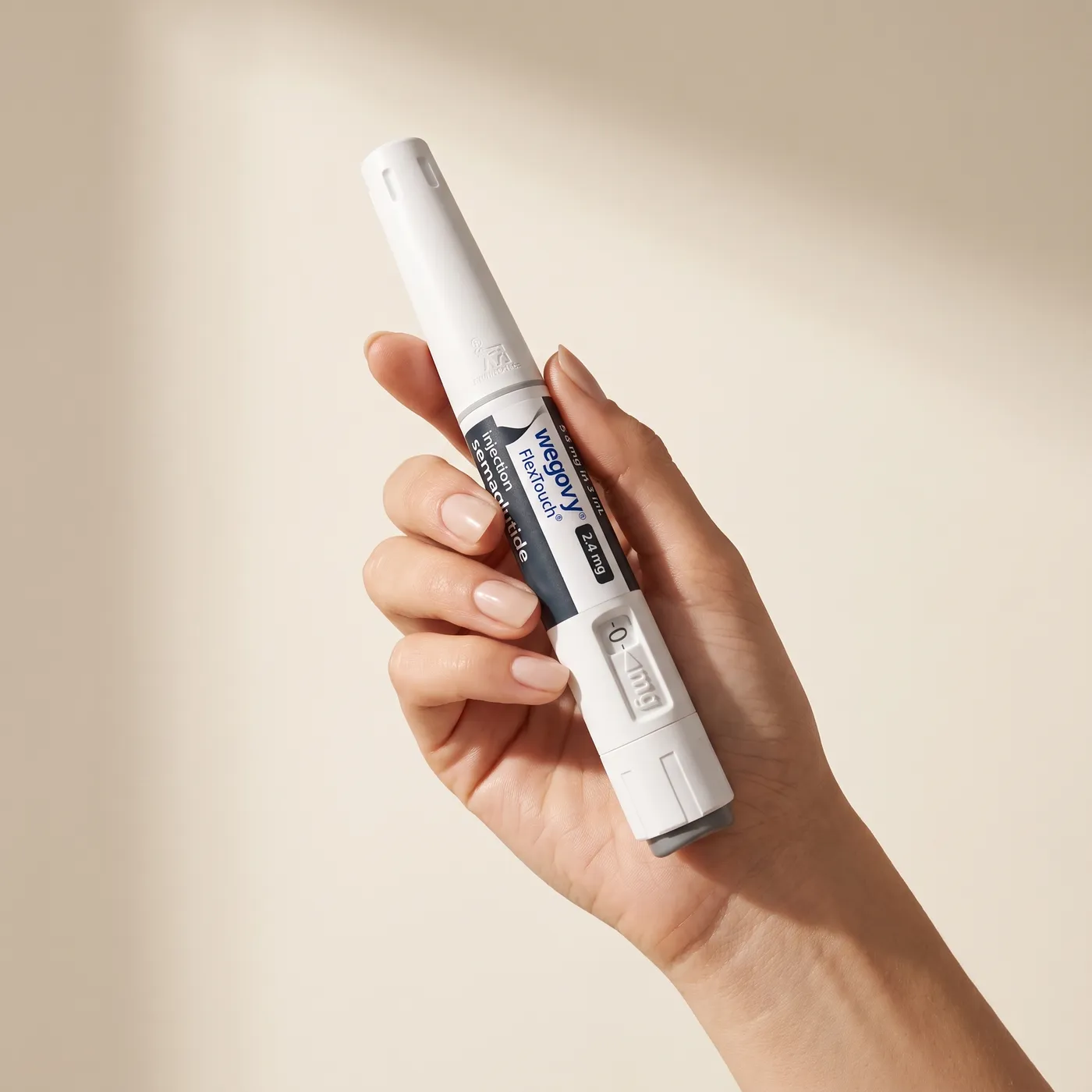
The route starts with your GP practice. If your BMI and health conditions fall within the current phase of the rollout in your area, your practice or a local weight-management service can assess you; if not, you may be referred to a specialist service, or asked to wait for a later phase. Because Mounjaro (tirzepatide) is the medicine the NHS is rolling out through GP-led care, most questions about NHS access are really questions about its criteria and timetable, and we keep a dedicated guide to whether you can get Mounjaro on the NHS up to date with the detail. Wegovy (semaglutide) remains available on the NHS mainly through specialist weight-management services, which usually require a referral and combine the medicine with dietetic and psychological support. Whichever medicine is involved, it helps to arrive at the appointment knowing your recent weight history, current medicines and any weight-related diagnoses, because those are precisely the facts eligibility turns on. Checking your own numbers first with our BMI calculator makes any conversation with your GP quicker and better informed.
The private route
Private providers, including regulated online pharmacies, offer access to the same classes of weight-loss treatment for people who meet clinical criteria, typically with faster access and more flexibility: online consultations, home delivery, and eligibility that follows the medicine's licence rather than the NHS's narrower phased criteria. The trade-off is cost: you pay for the medicine and the service, indefinitely for as long as treatment continues. Quality and safety depend heavily on the provider being properly regulated, which in the UK means a pharmacy registered with the General Pharmaceutical Council and prescribers working to its online prescribing standards. Our guide to checking an online pharmacy is regulated shows exactly what to verify before handing over money or medical information.
NHS vs private: comparing the two routes
- Cost: NHS free for eligible patients; private paid for as long as treatment continues
- Access: NHS criteria-based with possible waits and a phased rollout; private generally quicker
- Eligibility: both use clinical criteria; NHS criteria are stricter than the medicine's licence
- Setting: NHS within wider services, often with dietetic support; private via a chosen provider
- Continuity: NHS supply follows its criteria and reviews; private supply continues while you fund it and remain clinically suitable
What both routes should have in common
Whichever route you take, safe treatment with weight loss injections involves the same components: a proper consultation of your BMI, health history and other medicines before anything is prescribed; prescribing only where clinically appropriate; support with eating, activity and side effects during treatment; and ongoing review to check the medicine is helping and remains suitable. NICE guidance on obesity management frames medicines as one part of a wider plan rather than a standalone purchase, and that standard applies equally to private care. A route that skips consultation, asks no medical questions, or hands out medicine without follow-up is a warning sign, not a convenience, whoever is providing it.
Choosing what is right for you
The right route depends on your circumstances. If you are likely to meet the NHS criteria in your area and can accommodate the wait, the NHS route is free and well supported; asking your GP costs nothing and clarifies where you stand. If you meet the medicine's licensing criteria but not the current NHS phase, or the local wait is long, a regulated private provider is the practical alternative, provided you have budgeted for an ongoing cost rather than a one-off. Some people also move between routes over time, starting privately and transferring to NHS care as the rollout widens, or the reverse; either way, each prescriber needs to know your full treatment history. Our guide to weight loss injection eligibility in the UK walks through the criteria both routes build on.
The takeaway
NHS and private routes are different paths to similar treatment. The NHS offers weight loss injections free to those who meet its criteria, with waits and a phased rollout; private care offers quicker access at ongoing cost. Understand the criteria, costs and waits, insist on proper consultation and follow-up whichever you choose, and make sure any private provider is properly regulated before you start. The medicine is the same either way; the route simply decides how you reach it, who supports you, and who pays.