










Here's what we'll cover
Most tablets are forgiving: take them with breakfast, with a cup of tea, whenever you remember. The Wegovy pill is not one of them. Because of how oral semaglutide is absorbed, the way you take it directly affects how much medicine reaches your bloodstream. The rules are simple, but they are strict, and they reward being turned into a fixed habit. This guide covers the routine step by step, the reasons behind it, and how to handle the common real-life complications.
The routine, step by step
Take the tablet when you wake, before anything else passes your lips: no breakfast, no tea or coffee, no other medicines or supplements. Swallow it whole with a small sip of plain water, up to about half a glass at most. Do not split, crush or chew the tablet, as that destroys the mechanism that protects the medicine in your stomach. Then wait at least 30 minutes before eating, drinking anything other than that initial sip, or taking any other oral medicines. After the wait, the rest of your day is entirely normal. These instructions match the BNF guidance on semaglutide; if your prescriber's advice differs in any detail, theirs wins.
Building it into real mornings
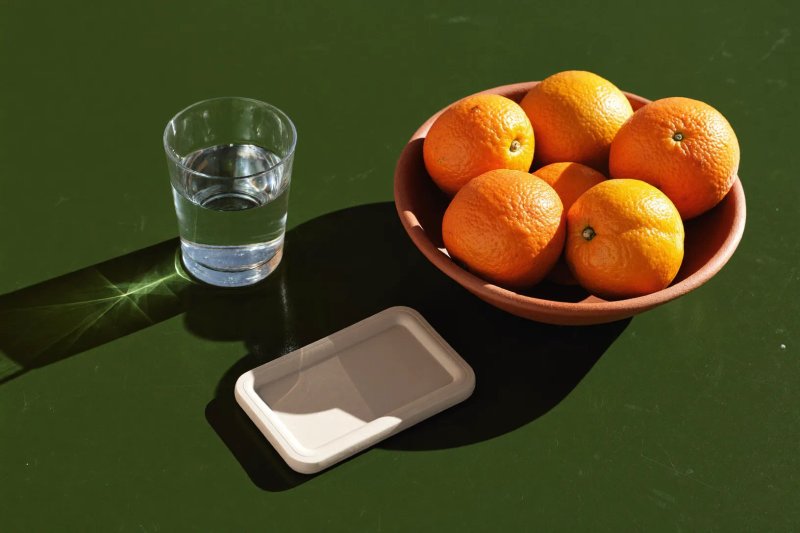
The people who find this easiest anchor the tablet to waking itself: keep the pack and a small glass of water at the bedside, take it on waking, and let the half-hour pass while showering and getting ready. By the time you reach the kitchen, the window is done. If your mornings are chaotic, a phone alarm labelled with the tablet works better than intention. Consistency of clock time matters less than the empty stomach and the wait, but taking it at roughly the same time daily builds the habit that stops missed doses.
Common complications, answered
Other morning medicines are the most frequent conflict. Take the Wegovy pill first, wait the 30 minutes, then take the rest; if you use a medicine with its own strict rules, such as thyroid medication, ask your prescriber or pharmacist to sequence them properly rather than guessing. Shift workers can treat their main wake-up as morning, whenever it falls, as long as the stomach is empty. Night-time dosing is possible in principle if you have not eaten or drunk for a good stretch beforehand and can delay anything further afterwards, but for most people, waking is the only reliably empty-stomach moment of the day, which is why it is the standard advice.
Missed doses and mistakes
If you forget the tablet and have already eaten, the empty-stomach moment has gone for that day; follow the missed-dose guidance in the patient information leaflet or from your prescriber, and never take two tablets in one day to catch up. If you realise you took it with food or a large drink, do not take another; you will simply have absorbed less that day, which one day will not undo. What matters is the pattern. If mistimed or missed doses are happening regularly, say so at your review: an honest conversation about routine sometimes ends with a switch to the weekly injection, which asks far less of your mornings, and that is a perfectly good outcome.
Storage and other practicalities
Keep the tablets in their original blister pack until the moment you take one, as they are sensitive to moisture; do not decant them into a pill organiser. Store at room temperature away from damp, which rules out the bathroom cabinet. When travelling, keep the pack in hand luggage and hold your morning routine steady across time zones as best you can, asking your prescriber for advice on long trips. And as with starting any dose, expect the first weeks after changes to be the most sensitive, both for absorption habits and for side effects, which we cover separately in our guide to the Wegovy pill's side effects. The NHS semaglutide page has further general guidance on taking the medicine safely.
Taken properly, the routine becomes automatic within a couple of weeks, and it is the single most controllable factor in how well the treatment works. If anything in your prescriber's instructions differs from the general guidance here, follow your prescriber. For the bigger picture of how the tablet works and whether it suits you, start with our complete guide to the Wegovy pill.
The dose schedule: why it starts low
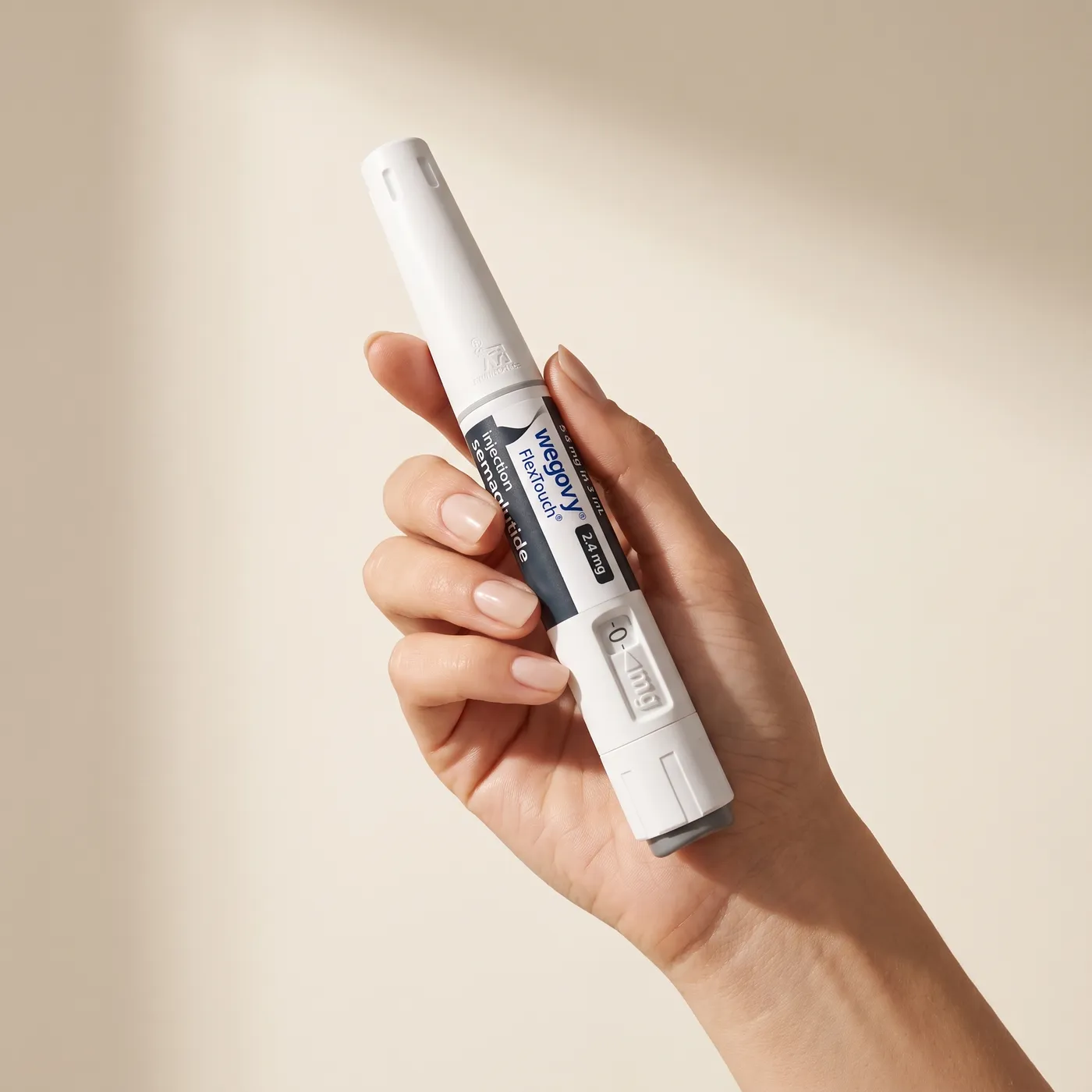
Alongside the daily routine sits a longer rhythm: the dose itself is increased in steps, typically every four weeks, from a low starting dose up towards the maintenance dose your prescriber sets. The low start is not caution for its own sake. The same slowed stomach emptying that reduces appetite is what causes early nausea, and stepping up gradually lets the digestive system adapt at each level before the next increase. If a step proves uncomfortable, prescribers can hold the current dose for longer before moving up, which usually resolves the problem. Do not adjust the dose yourself, in either direction, and do not stack a higher dose to compensate for days you think went wrong; the schedule only works when it is followed as written.
A worked example of a morning that works
To make the rules concrete: the alarm goes at 6.45, and the tablet and a small glass of water are on the bedside table from the night before. Tablet swallowed whole with a sip at 6.50, phone timer set for 30 minutes. Shower, dress, feed the cat. Timer sounds at 7.20: now tea, breakfast, and the rest of the morning medicines are all fine. The entire cost of the routine is drinking nothing for half an hour you would mostly have spent getting ready anyway. Compare that with the failure version, where the tablet is remembered mid-breakfast and taken with a mug of coffee: no harm done, but a good portion of that day's dose is never absorbed. The difference between those two mornings, repeated over months, is a meaningful difference in treatment effect.
One final habit worth building from day one: keep a simple record, whether a tick on a calendar or a daily reminder app, of doses taken and any that were missed or mistimed. It takes seconds, it makes your clinical reviews far more useful because you are reporting facts rather than impressions, and it surfaces patterns early, such as weekend mornings repeatedly going wrong, that are easy to fix once seen. Small systems, faithfully kept, are most of what separates people who get the full benefit of this medicine from people who quietly get half of it.