





Here's what we'll cover
A tablet that reduces appetite raises two separate questions. The first is how the medicine changes hunger at all. The second is more subtle: semaglutide is a peptide, a chain of amino acids much like the protein in food, so why doesn't the stomach simply digest it? This article answers both, because understanding the second question explains almost every practical rule about taking the pill.
What semaglutide does in the body
Semaglutide is a GLP-1 receptor agonist. GLP-1 is a hormone your gut releases naturally after eating; it tells the brain you are full, slows how quickly the stomach empties, and helps regulate blood sugar by supporting insulin release. The natural hormone is broken down within minutes. Semaglutide is engineered to act on the same receptors but last far longer, so the fullness signal stays switched on rather than fading between meals. The NHS page on semaglutide covers the medicine's licensed uses and safety information.
In day-to-day terms, people typically notice three things. Portions that once felt normal become too much, because the stomach empties more slowly and fullness arrives earlier. Hunger between meals softens. And for many people the most striking change is mental rather than physical: the constant background chatter about food, sometimes called food noise, quietens. Eating less stops feeling like an act of willpower and starts feeling more natural. We cover the mechanism across all GLP-1 treatments in a separate guide; here the focus is what is different about the tablet.
The hard part: getting a peptide through the stomach
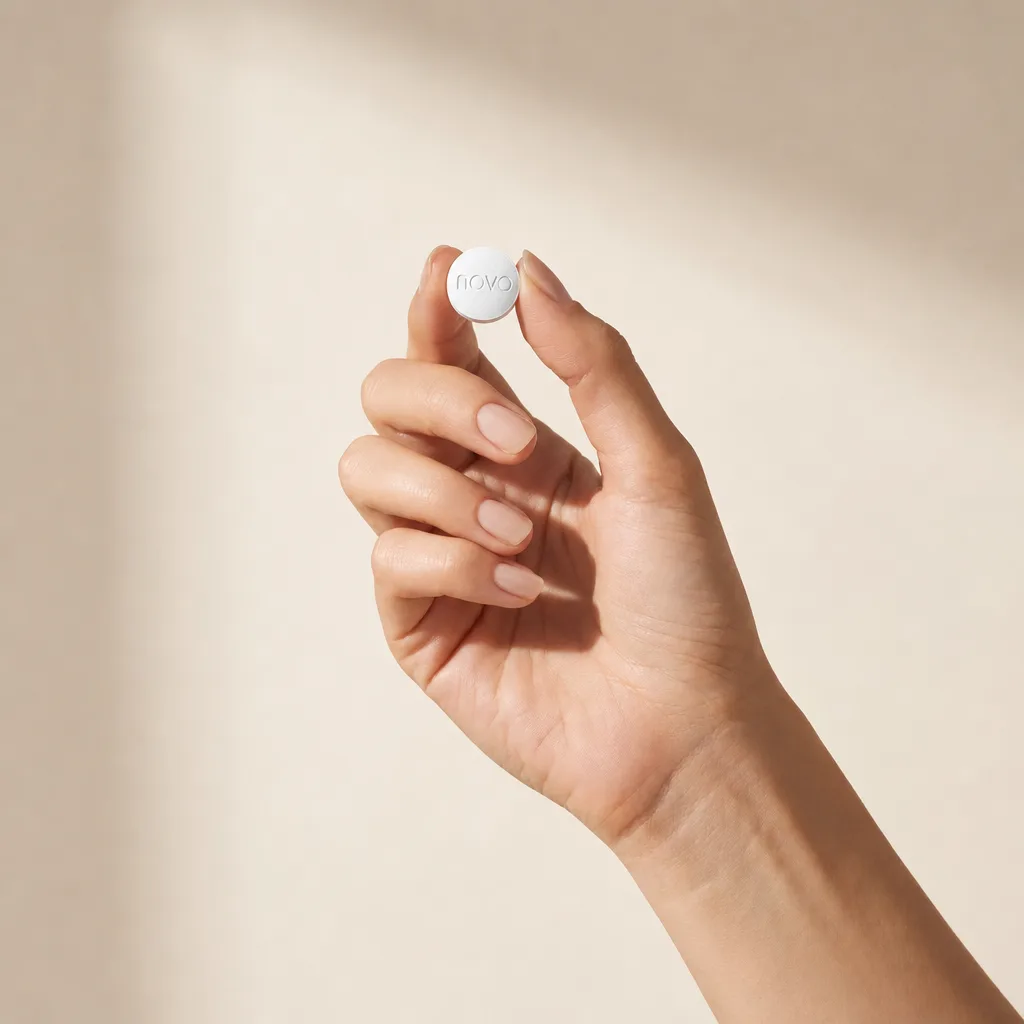
Swallowed peptides are normally digested like food, which is why medicines of this type have historically been injections. The oral tablet solves this with a helper ingredient, an absorption enhancer called SNAC, which creates a small, temporarily protective environment around the tablet as it sits against the stomach lining. This locally reduces acidity and allows semaglutide to pass through the stomach wall into the bloodstream before digestive enzymes destroy it.
It is an elegant piece of chemistry, but a fragile one. Even under ideal conditions only a small fraction of the swallowed dose reaches the blood. Anything else in the stomach, food, coffee, even too much water, dilutes the protective effect and washes the tablet away from the stomach lining, so much less medicine is absorbed. This is why the tablet doses are far larger than the injection doses on paper, and why the two forms are never swapped milligram for milligram.
Why the dose builds up gradually
Treatment starts at a low dose and steps up over weeks. This is deliberate. The same mechanism that creates fullness, slower stomach emptying, is also what causes the most common side effects, such as nausea, particularly when a dose increases. Building up slowly gives the digestive system time to adapt, which most people find it does. The target is the dose that balances effect and tolerability for you, reached without unnecessary discomfort along the way.
What this means for results
Because the medicine works by reducing intake rather than burning fat directly, weight loss follows from consistently eating less over months, not from any immediate metabolic trick. Effects on appetite begin early, but meaningful weight change takes weeks to become visible and continues gradually while treatment and habits hold. It also means the medicine rewards good foundations: enough protein to protect muscle, regular activity, and eating patterns you can keep. And because absorption depends on technique, taking the tablet correctly every day is not a minor detail; it is the difference between the dose you swallow and the dose you actually receive.
The Wegovy pill, then, works in two senses. Pharmacologically, it extends a natural fullness signal so appetite falls. Practically, it works when the daily routine around it is right. Both halves matter, and a clinician can help you decide whether this treatment, another form, or a different approach altogether fits your circumstances. Our complete guide to the Wegovy pill is the natural next read.
How it compares mechanically to the injection
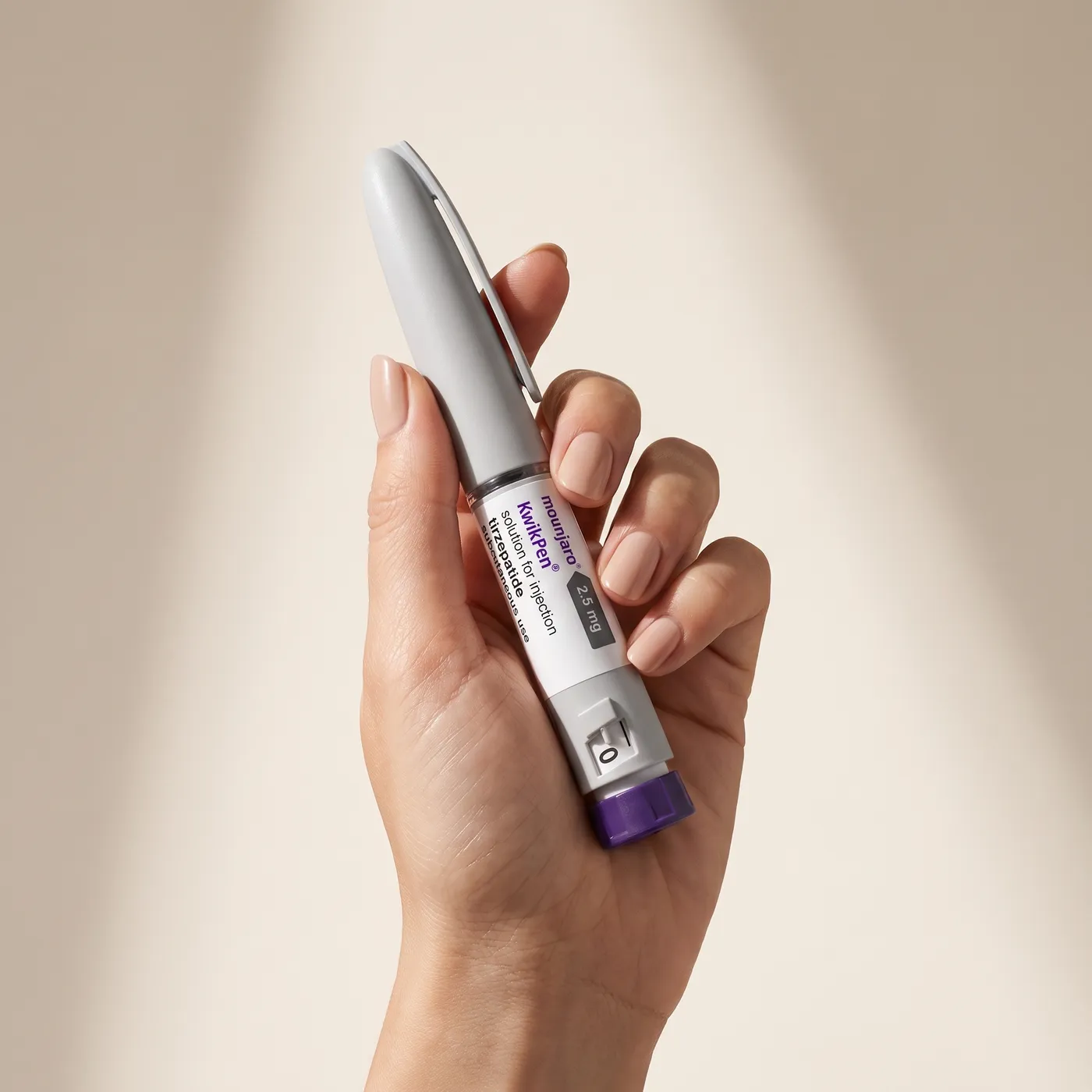
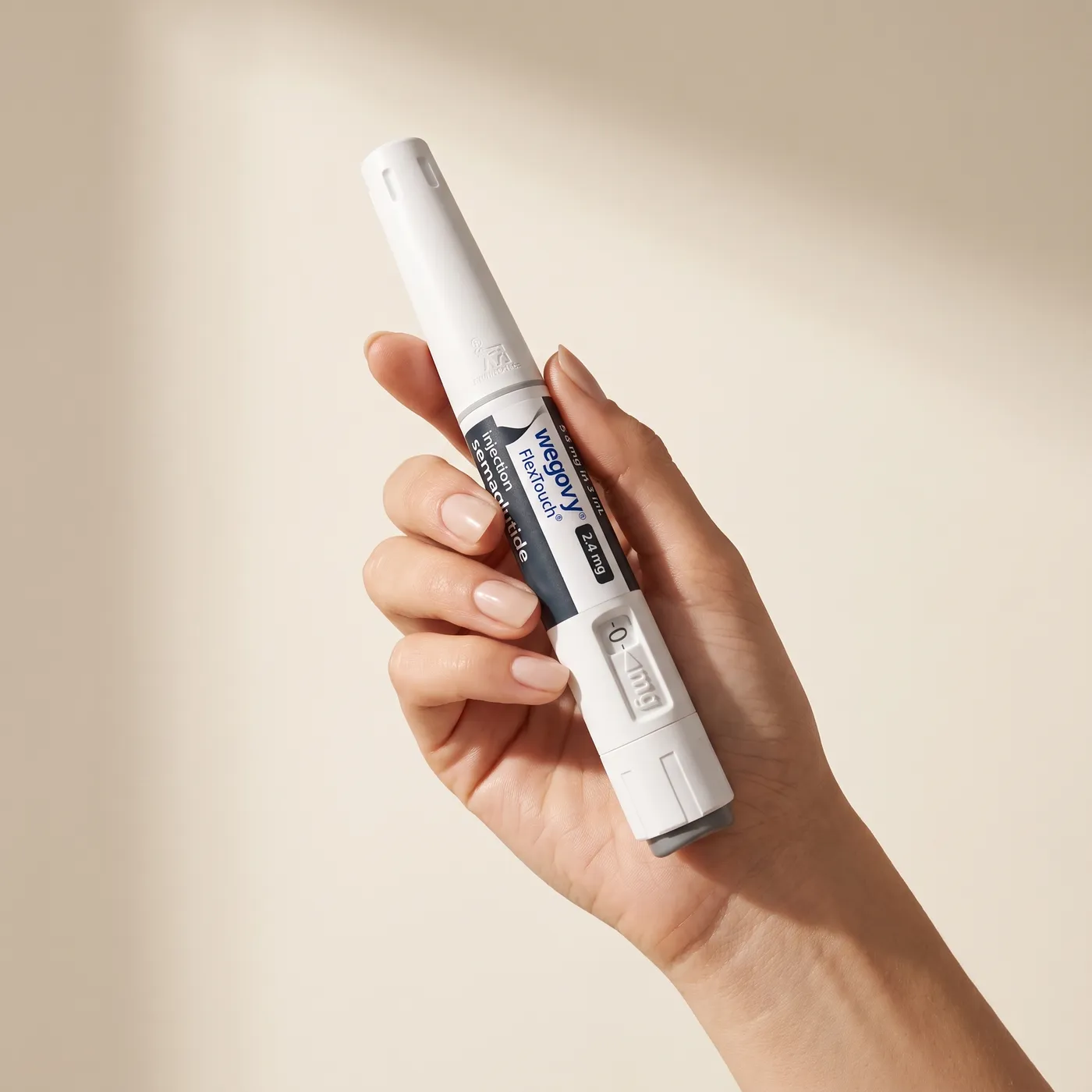
Once semaglutide is in the bloodstream, the body cannot tell how it arrived: the hormone signalling, the appetite effects and the slowed stomach emptying are the same whichever route delivered it. The differences are all upstream of that point. The weekly injection deposits the medicine under the skin, from where it is released steadily and predictably, so blood levels stay smooth with a single weekly action. The tablet has to re-run its fragile absorption trick every single morning, which is why daily consistency matters so much more for the oral form. It also explains why the two forms are stepped up on different schedules and why switching between them is a clinical decision rather than a straight swap: the prescriber has to map one route's doses onto the other's.
What happens when treatment stops
Understanding the mechanism also explains a finding that surprises people: when treatment stops, appetite returns, because the extended fullness signal it provided is gone. Studies consistently show that a proportion of lost weight is regained after stopping GLP-1 medicines, which is why clinicians increasingly talk about obesity as a long-term condition and about treatment plans rather than short courses. This is not a flaw unique to the tablet; it is a property of how the whole medicine class works. It is also the strongest argument for using the treatment window well: building eating patterns, protein habits and activity levels that can stand more on their own if and when the pharmacological support is reduced.
None of this should read as discouraging. The mechanism is genuinely effective, the chemistry that gets a peptide through the stomach is a real scientific achievement, and for many people the quietening of appetite is the first time eating less has felt sustainable rather than punishing. But medicines work best when the person taking them understands what the medicine is doing and what remains their own job. With the Wegovy pill, the medicine handles the hunger; the routine, the food choices and the long-term habits are yours, with your clinical team alongside.