




Here's what we'll cover
With semaglutide now available as both a weekly injection and a daily tablet, people starting weight-management treatment face a genuine choice of form. Neither is simply better; they trade different strengths against different demands. This comparison walks through how each works in practice, where they differ, and how to think about the decision. It is intended to prepare you for a conversation with a clinician, who will also weigh your medical history and eligibility.
What they have in common
Both deliver the same active ingredient, semaglutide, a GLP-1 receptor agonist that reduces appetite, slows stomach emptying and quietens the constant pull towards food. Both are prescription-only medicines for people meeting clinical criteria. Both step the dose up gradually to limit side effects, both work best alongside changes to eating and activity, and both are treatments for a long-term condition rather than short courses. Whichever form is chosen, the fundamentals of treatment are identical.
The routine: weekly pen vs daily tablet
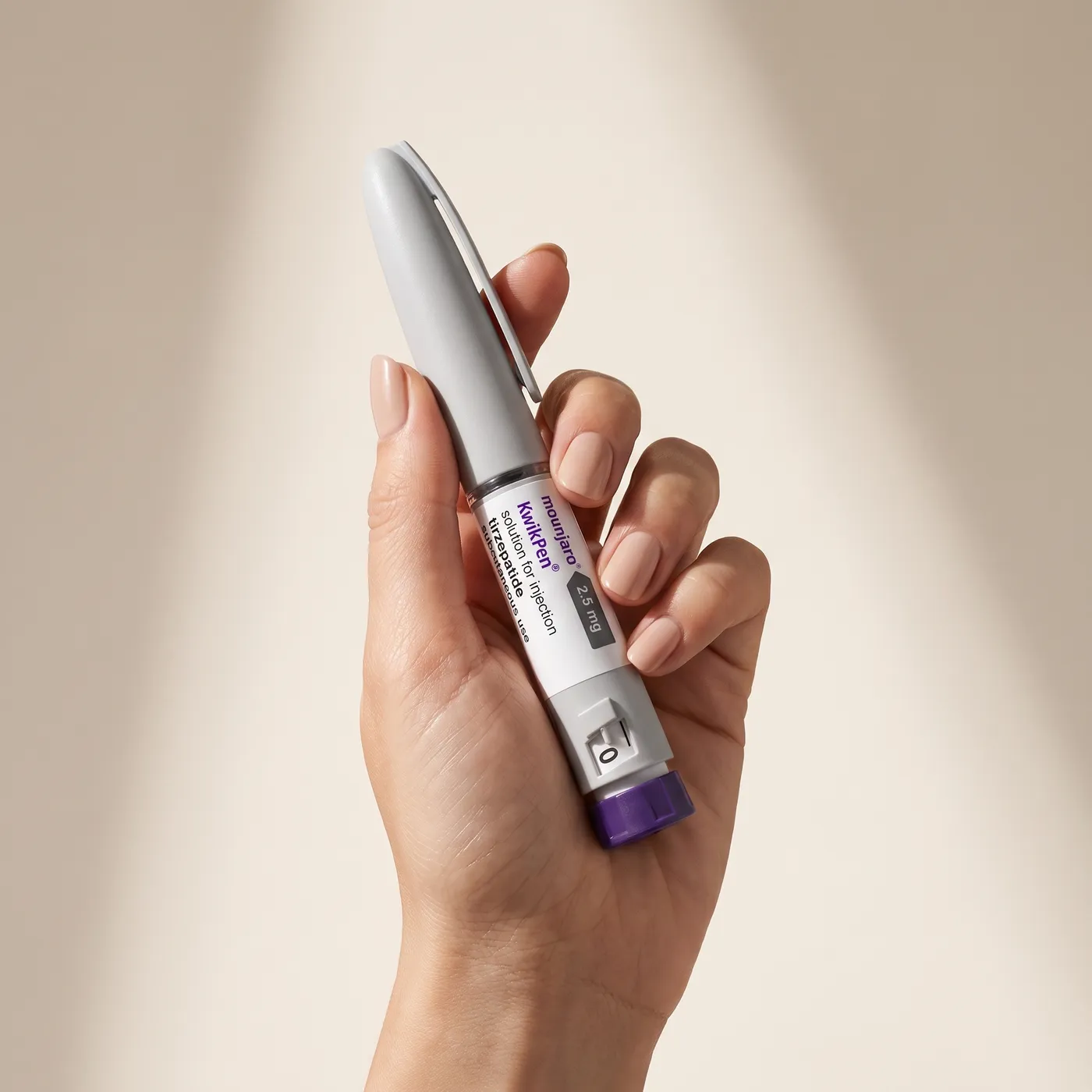
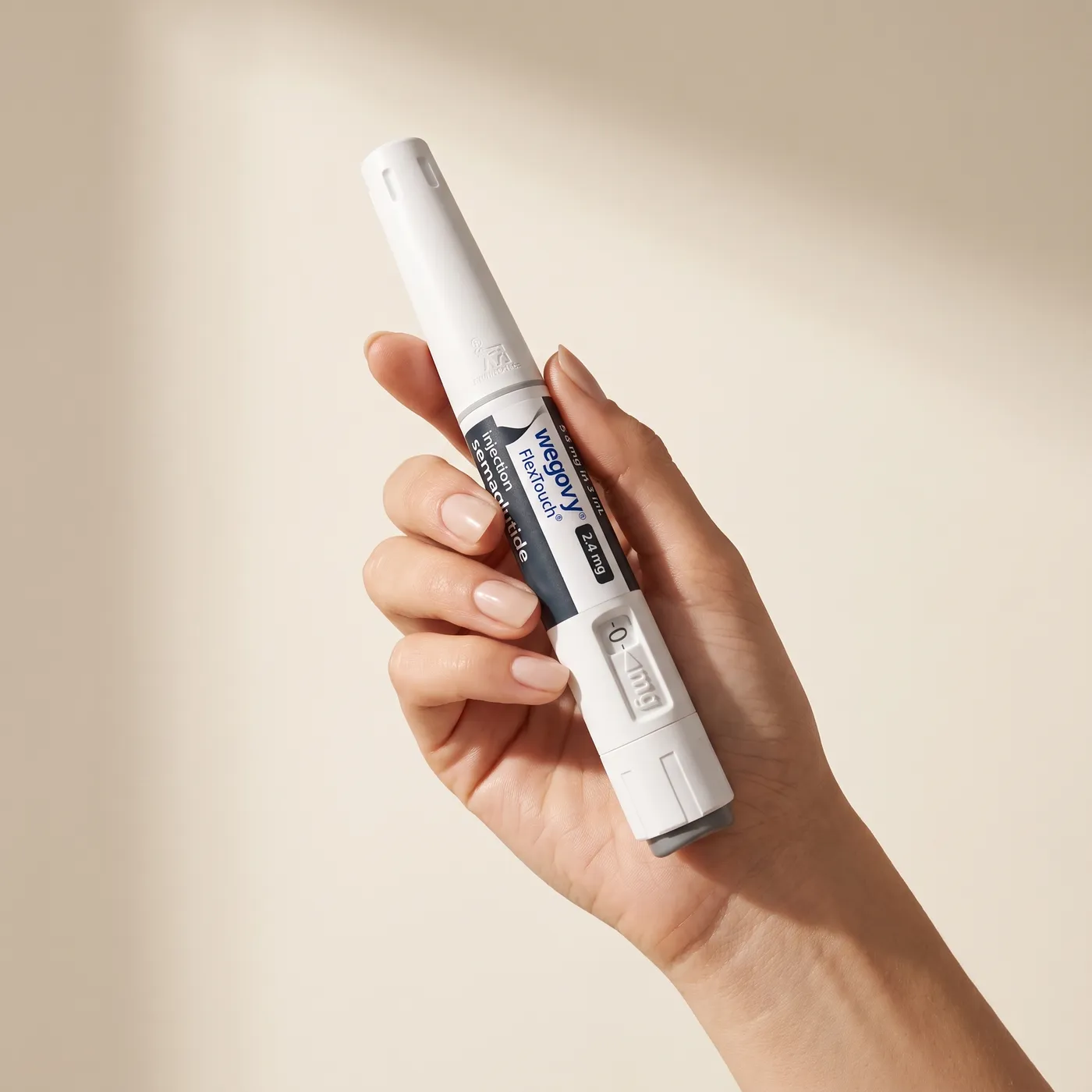
The injection asks for one action a week: a quick self-injection under the skin using a pre-filled pen, on the same day each week, at any time, with or without food. Most people find the pens simple after the first attempt, and the weekly rhythm is easy to anchor to a routine. The tablet asks for a smaller action but every day, and with conditions attached: on an empty stomach, first thing, with only a small sip of plain water, then a wait before eating, drinking or taking other medicines. Neither routine is difficult in itself; the question is which failure mode is more likely for you, forgetting a weekly injection or fumbling a daily timing window.
Effectiveness
At appropriate doses, clinical trials show substantial, clinically meaningful weight loss with both forms, in broadly similar territory, though studies differ in design and precise comparisons should be treated cautiously. The practical difference is reliability of delivery. The injection is absorbed predictably regardless of meals. The tablet's absorption depends on technique, so its real-world results are more sensitive to how well the routine is followed. We examine this question in detail in our article on whether the pill is as effective as the injection.
Side effects and tolerability
Because the active ingredient is the same, the side-effect profiles largely overlap: nausea, constipation or diarrhoea, and reduced appetite beyond what is intended, mostly early in treatment or after dose increases, and usually settling as the body adjusts. The injection can cause minor site reactions such as redness; the tablet cannot, but some people find daily dosing keeps digestive symptoms more present in their routine. Individual responses vary enough that some people simply tolerate one form better than the other, which is a legitimate reason to switch under clinical guidance.
Practical differences worth knowing
Storage and travel favour the tablet: pens need refrigeration before first use, while tablets travel in a blister pack. Needle anxiety favours the tablet absolutely; for some people it is the entire decision. Predictability favours the injection, both in absorption and in fitting around irregular eating patterns. Other medicines need thought with the tablet, because the empty-stomach window affects when they can be taken; a pharmacist can help sequence them. None of these points is decisive alone, but together they usually make one form the obviously better fit for a given life.
How to decide
Start from your routine, not from the medicine. If your mornings are consistent and needles put you off, the pill is a strong candidate. If you want the lowest-effort, most forgiving option and injections do not bother you, the weekly pen has the longer track record and simpler practicalities. Either way, the decision belongs in a clinical consultation, where suitability, safety and your history are weighed properly. And whichever form you start, give it time: doses build over weeks, and the medicine is a tool that works alongside eating and activity changes, not instead of them.
Switching between forms later
The choice you make first is not the choice you are stuck with. People switch in both directions for entirely ordinary reasons: a job change makes mornings chaotic and the daily tablet starts failing, or months of successful tablet use build the confidence to try the lower-effort weekly pen, or vice versa when needle reluctance softens. Switching is a clinical decision because the doses do not map across milligram for milligram; the prescriber selects the equivalent step on the other form's schedule and may adjust from there based on how you respond. What you should not do is improvise a switch yourself, stockpile one form while starting another, or run both together. Raise it at a review, and the transition is usually straightforward.
A simple self-test before you decide
Before your consultation, try an honest thought experiment. Picture your last two weeks of mornings. How many of them would have accommodated a tablet on waking, a small sip of water, and half an hour before coffee or breakfast? If the answer is nearly all of them, the pill's demands will barely register. If your mornings are a scramble of school runs, early shifts or erratic waking times, the weekly pen's single scheduled moment may honestly suit you better, whatever your feelings about needles. Then picture the opposite: does a weekly self-injection feel like a small chore or a genuine dread? People who dread it tend to delay and eventually stop, and no pharmacokinetic advantage survives a medicine that stops being taken. The form that wins is the one your real life, not your idealised one, will carry.