




Here's what we'll cover
If you have only known Wegovy as a weekly injection, it is reasonable to wonder whether a tablet version exists, especially if the idea of injecting puts you off. The short answer is that an oral form of the medicine is now available, and this article explains what that means, how it differs from the injection, and where a related tablet called Rybelsus fits in.
This is a common point of confusion, partly because several similar-sounding products exist, so it is worth taking them one at a time.
The short answer
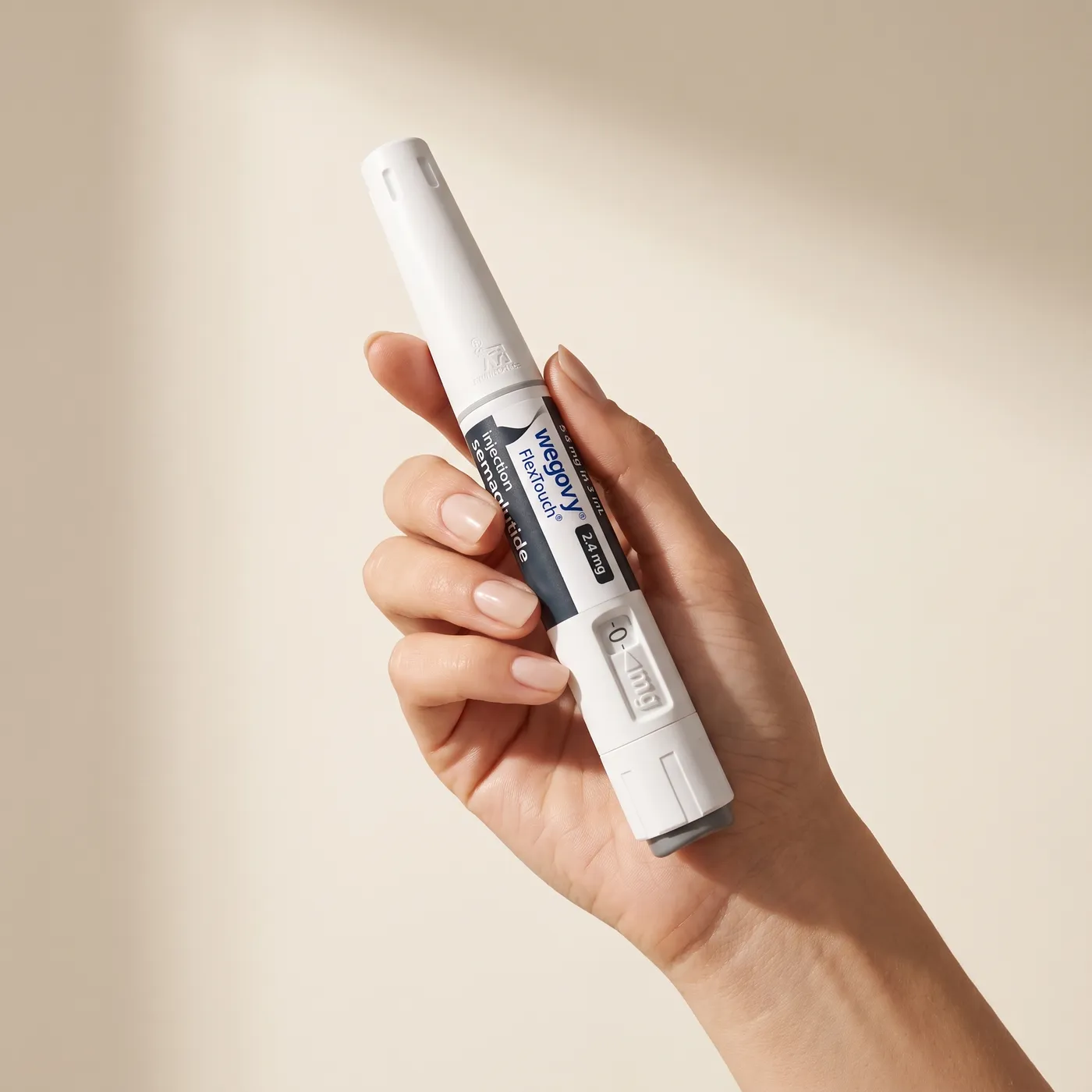
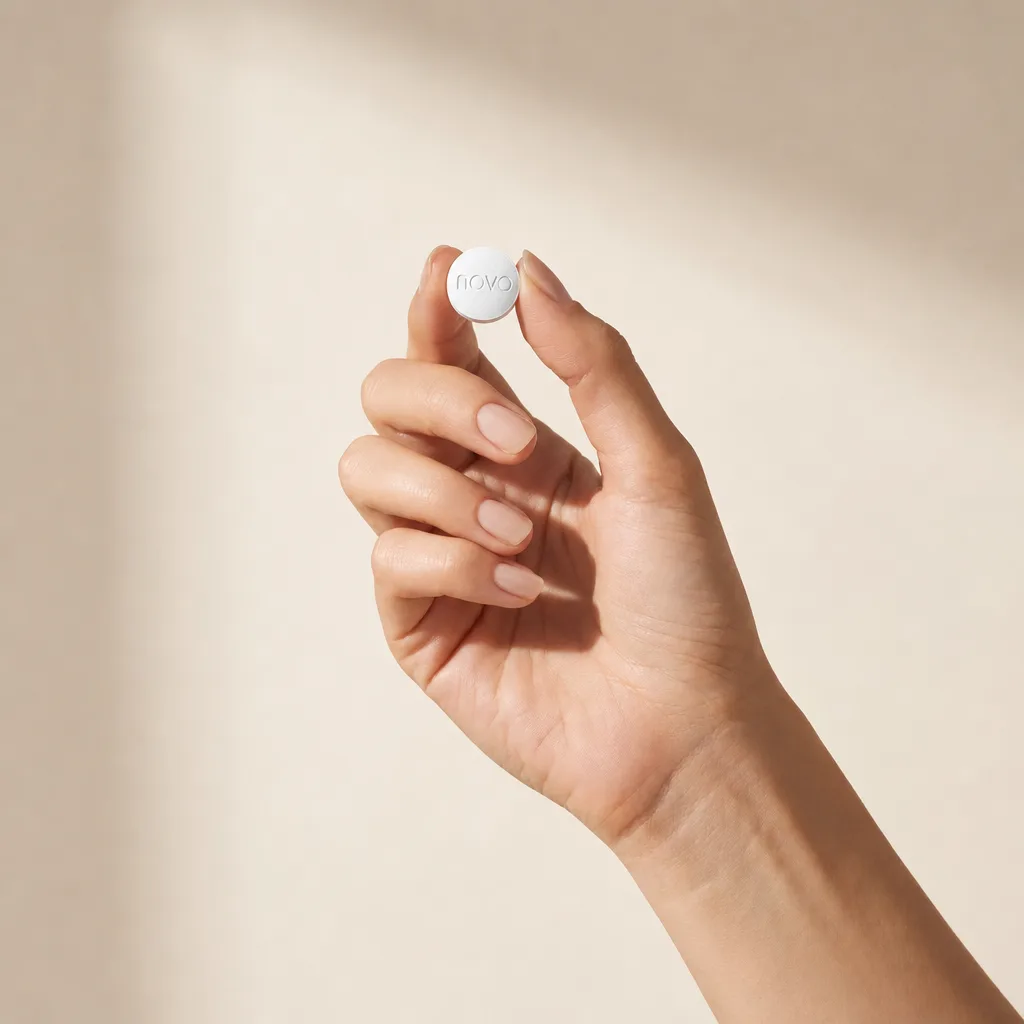
Yes, an oral tablet form of the medicine in Wegovy is now available. Wegovy itself began as a once-weekly injection given under the skin using a pre-filled pen. The active ingredient is semaglutide, and a daily tablet version of semaglutide for weight management means the same underlying medicine can now be taken by mouth. For people who dislike needles or find injections impractical, that is a meaningful difference.
Is the pill the same medicine as the injection?
The active ingredient is the same, semaglutide, which works by mimicking the gut hormone GLP-1 to reduce appetite. What differs is how it is delivered and absorbed. An injection places the medicine under the skin, from where it is absorbed steadily over the week. A tablet has to survive the digestive system, and semaglutide is not naturally well absorbed by mouth, so the oral version is formulated and dosed to account for this. That is why the two are not simply interchangeable dose for dose, and why the tablet comes with specific instructions on how to take it.
Where does Rybelsus fit in?
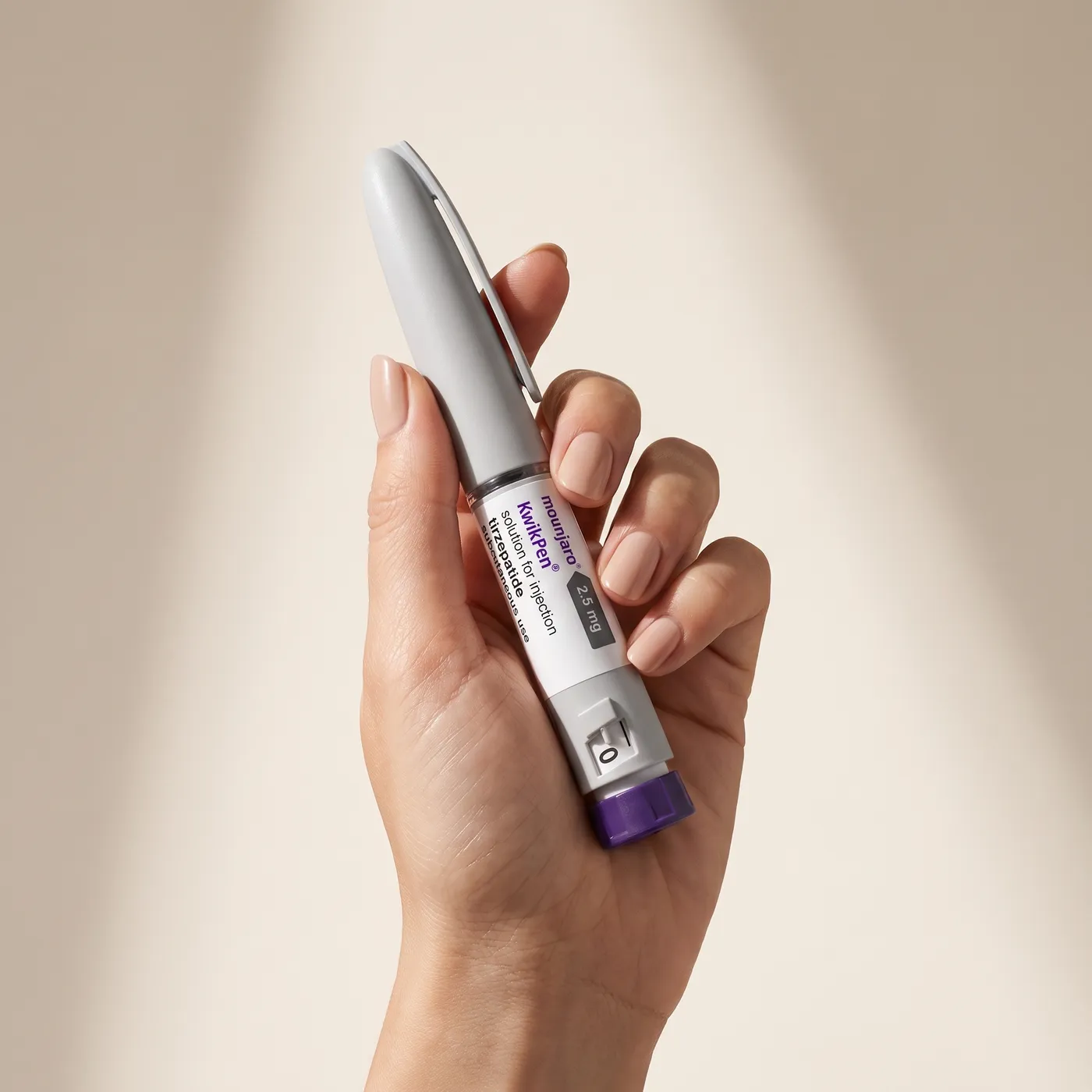
This is where confusion often creeps in. Rybelsus is a tablet form of semaglutide that has been available for some time, but it is licensed to treat type 2 diabetes, not for weight loss, as the BNF entry for semaglutide sets out. So while it is an oral semaglutide, it is a different product with a different licensed use and different dosing from the weight-management pill. Seeing both described online as an oral semaglutide tablet is understandable, but they are not the same thing, and one being available does not mean the other is being prescribed for the same purpose.
Pill or injection: does it matter which?
For many people the appeal of a pill is simply avoiding injections, and that is a valid preference. But the choice is not only about needles. The injection is once weekly, which some people find easier to remember, while the tablet is daily and comes with strict timing around food and water. Tolerability, convenience and how each fits your routine all play a part. There is no single right answer, and our dedicated comparison of the Wegovy pill and injection walks through the trade-offs so you can discuss them with a clinician.
How to find out if it is right for you
Both forms are prescription-only medicines intended for people who meet clinical criteria, based on measures such as body mass index and your medical history, in line with NICE guidance on overweight and obesity management. Neither is suitable for everyone, and there are situations, including pregnancy or when trying to conceive, where they should not be used. The way to know whether the pill, the injection, or neither is appropriate is a clinical consultation, where a clinician can look at your health as a whole. Our complete guide to the Wegovy pill is a good place to read more before that conversation.
Finally, wherever you access treatment, use a registered pharmacy with a proper consultation. Products offered without any clinical checks, particularly through social media, can be fake or unsafe, and the form of the medicine matters far less than getting it through a legitimate route.
Why a pill took so long to arrive
If the same medicine can be a tablet, it is fair to ask why the injection came first at all. The reason is chemistry. Semaglutide is a peptide, a molecule similar to the proteins in food, and a swallowed peptide is normally digested in the stomach before it can do anything useful. Injections bypass that problem entirely, which is why this class of medicine started there. Making an oral version work required pairing semaglutide with an absorption enhancer that briefly protects it against stomach acid and helps it pass through the stomach lining. Even then, only a small fraction of the swallowed dose reaches the bloodstream, which is why the tablet's timing rules are strict and its doses look much larger on paper than the injection's. The pill is not a simpler version of the medicine; it is a harder engineering problem that has now been solved well enough to use.
What availability means in practice
Available does not mean available to everyone immediately. As with any newly launched medicine, supply builds over time, NHS access follows its own guidance and commissioning process, and private access through registered pharmacies still begins with a clinical consultation of eligibility, typically based on body mass index and weight-related health conditions. Demand for weight-loss medicines has repeatedly outrun supply in recent years, so patience and a legitimate route matter more than speed. Our separate article on when the Wegovy pill will be available in the UK covers the rollout in more detail, including how NHS and private routes differ, and our comparison of the pill and the injection walks through the practical trade-offs.
The short version to carry away: the pill exists, it is the same medicine as the injection delivered a harder way, Rybelsus is a different product for a different condition, and the choice between forms is a practical one best made with a clinician who knows your history. If needles have been the thing standing between you and treatment, that barrier has now genuinely gone; what remains is the same careful, supervised process that applies to any prescription weight-management medicine.