






Here's what we'll cover
Strength training for weight loss works by telling your body to hold on to muscle while you shed fat, which improves the quality of the weight you lose and makes it easier to keep off. It is the missing half of most diets: cardio and eating less drive the loss, but resistance work decides how much of that loss is fat rather than muscle. You can start at home with no equipment.
Why strength training, not just cardio
Cardio, walking, cycling and swimming, is excellent for health and burns energy. But strength training does something cardio does not: it signals the body to preserve, and sometimes build, muscle during a calorie deficit. Without that signal, a meaningful share of any weight you lose can come from muscle rather than fat, which is the opposite of what most people want. Studies of weight loss consistently show that adding resistance training shifts the balance towards losing fat and keeping lean tissue.
This matters throughout life, but especially with age and around menopause, when muscle is lost more readily. Losing weight during menopause without resistance work risks giving up muscle and bone at exactly the wrong time. Because keeping muscle is central to good fat loss and lasting maintenance, strength work earns its place alongside cardio rather than replacing it.
The benefits of strength training for fat loss
- Protects muscle, so more of the weight you lose is fat
- Supports strength and function for everyday life, from stairs to shopping
- Contributes to resting energy use, since muscle burns more at rest than fat
- Supports bone health, which matters during weight loss and after menopause
It also helps blood sugar control, because working muscle draws glucose out of the bloodstream. That is a useful bonus for anyone managing weight alongside conditions such as insulin resistance or type 2 diabetes risk.
A common worry, particularly among women, is that lifting weights will make you bulky. In practice it will not: building large amounts of muscle takes years of dedicated training and eating in a surplus, which is the opposite of a weight loss phase. In a calorie deficit, strength training mostly helps you keep the muscle you already have, giving a firmer, leaner shape as fat comes off rather than adding size.
Can I strength train at home?
Yes. You do not need a gym or heavy weights. Bodyweight exercises are a genuine starting point:
- Sit-to-stands from a chair, building towards squats
- Wall press-ups, progressing to the floor over time
- Lunges or step-ups
- A plank or modified plank for the core
A simple full-body routine two or three times a week, working legs, back, chest and core, covers the essentials. Aim for a level of effort where the last couple of repetitions feel genuinely challenging while your technique stays good; that is the signal that prompts muscle to adapt. Resistance bands and household items add load as you progress, and dumbbells later if you choose. The NHS strength and flexibility exercises include free routines you can follow at home.
How often should I do strength training?
The UK Chief Medical Officers' guidelines recommend muscle-strengthening activity on at least two days a week, working the major muscle groups: legs, hips, back, chest, shoulders and arms. Begin with what you can manage, even short sessions, and build consistency before intensity. Aim to progress over time by adding a repetition, a set or a little load, which is the signal that drives muscle to adapt. Rest days let muscle recover and adapt, so more is not always better.
Fitting it around treatment
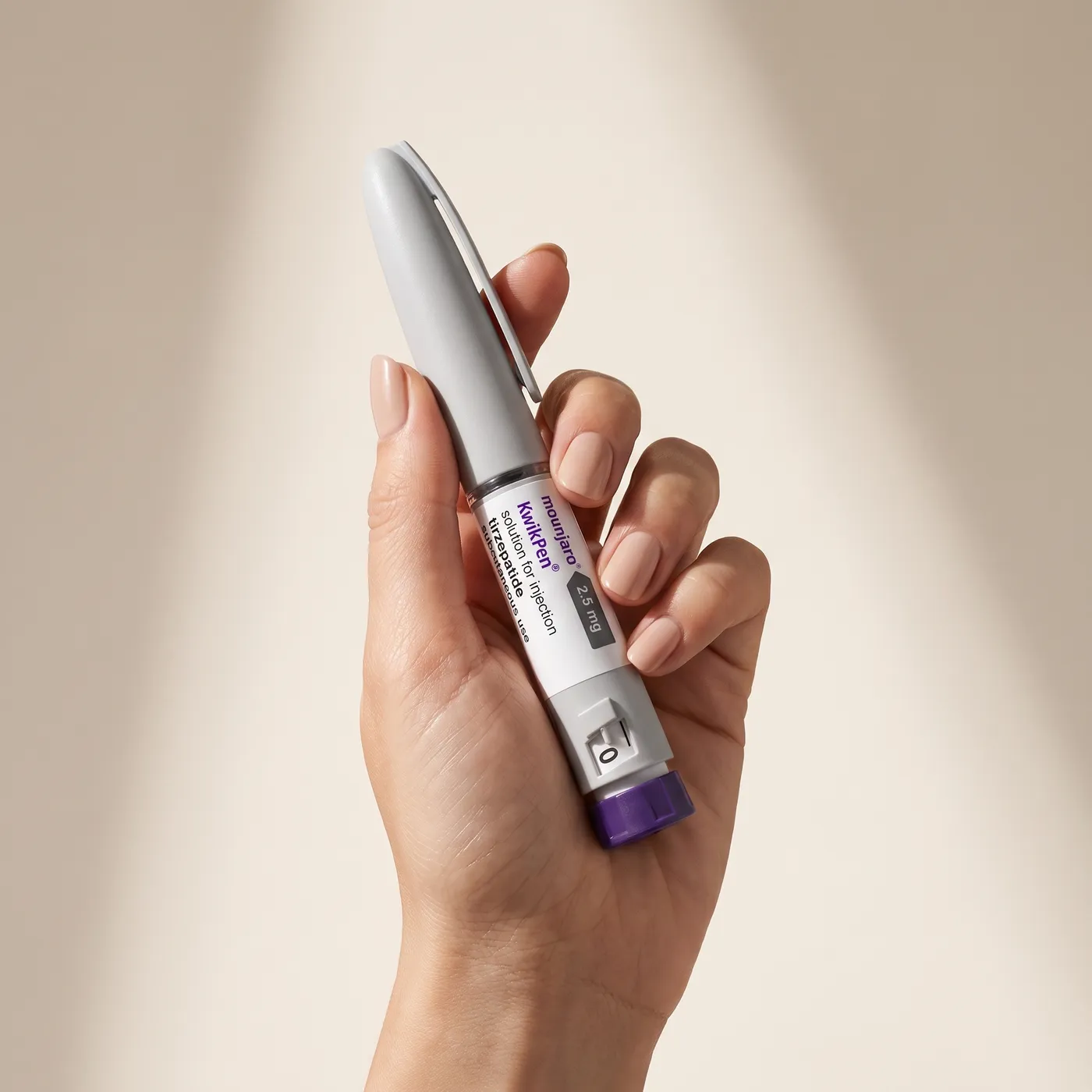
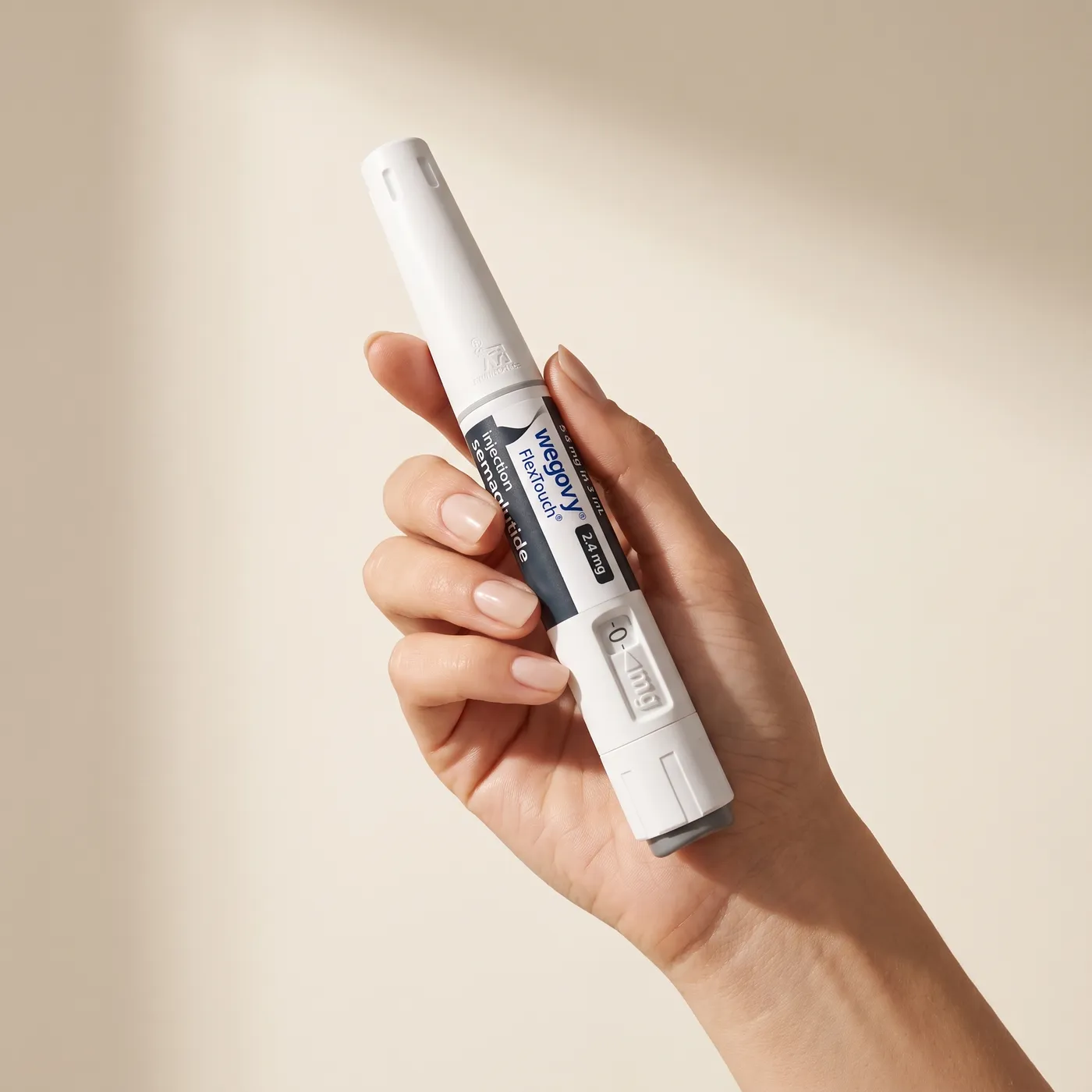
On a reduced appetite, hitting enough protein makes strength training more effective, so pair the two deliberately. This is especially important on GLP-1 weight-loss treatment, where appetite is lower and protecting muscle takes conscious effort. Spreading protein across meals, rather than loading it all into one, helps your muscles make the most of your training. If you feel low on energy, a shorter session is better than none, and activity often lifts energy rather than draining it. Build up at a pace that suits you, and remember that consistency over months matters far more than any single workout.
If you are new or have health concerns
If you are new to exercise, returning after a long gap, or have health conditions or injuries, start gently and consider guidance from a qualified professional such as a physiotherapist or a suitably qualified trainer. Your clinician can advise if you are unsure whether an activity is suitable for you. Stop and seek advice if you get chest pain, dizziness or sharp joint pain, rather than pushing through.
Finally, be patient with the scales. Muscle is denser than fat, so as you trade one for the other your weight may fall more slowly than expected even as your shape and measurements improve. This is a good outcome, not a stall, and it is one reason a weight loss plateau on the scales can hide real progress. Track a mix of measures, how clothes fit, your strength and your energy, alongside weight, and give the process the months it needs to show.