




Here's what we'll cover
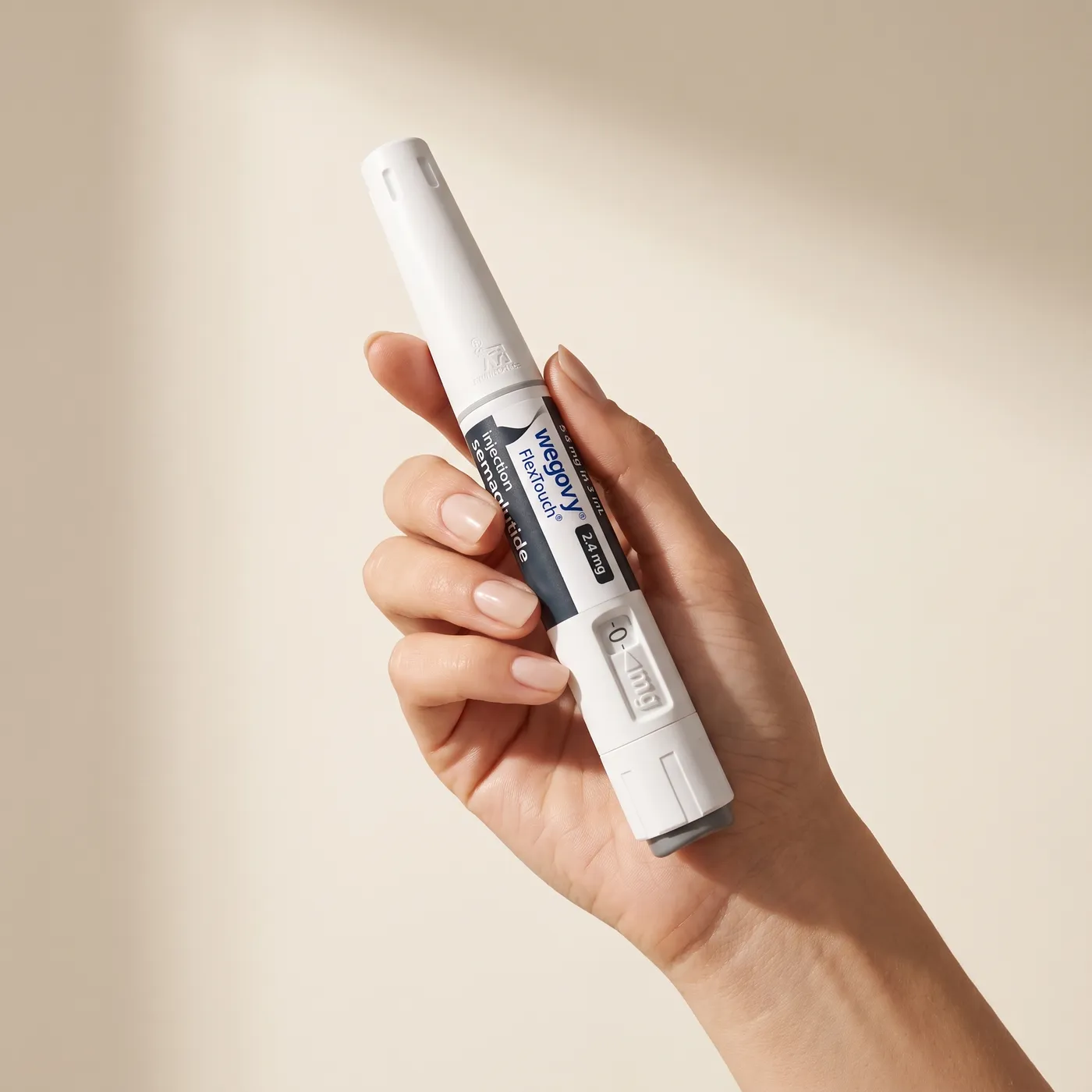
Until recently, oral semaglutide meant exactly one thing: Rybelsus, a tablet for type 2 diabetes. Now that a semaglutide tablet for weight management exists too, the two get conflated constantly online, and the confusion is understandable, since they contain the same active ingredient and are taken the same fiddly way. But they are different products, with different licences, different doses and different intended users, and knowing which is which protects you from both misinformation and mis-selling.
The same molecule, two jobs
Semaglutide mimics the gut hormone GLP-1, which does two useful things at once: it supports the pancreas in releasing insulin when blood sugar rises, and it reduces appetite by signalling fullness to the brain and slowing stomach emptying. The first effect is why it treats type 2 diabetes; the second is why it produces weight loss. Which job a product is designed and licensed for is mostly a question of dose. Blood sugar control is achieved at lower doses; substantial weight loss needs higher ones. That single fact explains almost every difference between the two tablets.
Rybelsus: the diabetes tablet
Rybelsus has been available for several years and is licensed to improve blood sugar control in adults with type 2 diabetes, usually alongside diet and exercise and sometimes with other diabetes medicines. Its strengths are 3 mg, 7 mg and 14 mg daily. People taking it often lose some weight, because appetite reduction comes with the territory, but weight loss at these doses is a side benefit rather than the design goal, and Rybelsus is not licensed as a weight-loss treatment. Prescribing it purely for weight loss is off-label use, which is a specific clinical decision a prescriber must justify, not an equivalent alternative to the licensed option.
The Wegovy pill: the weight-management tablet
The newer product is oral semaglutide licensed specifically for weight management, approved by the UK regulator as the first GLP-1 tablet for weight loss. Its trial programme, run at a much higher dose than Rybelsus offers, showed average weight loss around 15% of body weight over 68 weeks. It is intended for adults meeting weight-management criteria, living with obesity or overweight with a weight-related condition, and it arrives with the same eligibility consultation, gradual dose escalation and supervision as the Wegovy injection. In short: same molecule as Rybelsus, different dose territory, different licence, different patient.
What they share
Because the active ingredient and the oral formulation are the same, the practical rules overlap almost completely. Both tablets use the same absorption-enhancer technology to survive the stomach, so both must be taken on an empty stomach with only a small sip of water, followed by at least 30 minutes before food, drink or other medicines. Both step doses up gradually. Both share the familiar GLP-1 side-effect profile, digestive symptoms early on that usually settle, and the same uncommon serious risks that make supervision worthwhile. And neither should be used in pregnancy. If you can take one correctly, you can take the other; the difference is which one you should be taking at all.
Which one is right for you?
The clean answer is that you do not choose between them the way you choose between the pill and the injection; the condition being treated chooses for you. If you have type 2 diabetes and your clinical team is targeting blood sugar, Rybelsus is the licensed oral option, and any weight loss is a welcome bonus. If you are seeking weight management and meet the criteria, the Wegovy pill is the licensed tablet designed and dosed for that purpose. People who have both type 2 diabetes and obesity are exactly the situation where a prescriber weighs the whole picture, since treatment for one condition affects the other, and combinations with other diabetes medicines need managing to avoid low blood sugar.
The confusion between these two products will fade as the weight-management tablet becomes established, but until it does, the safe habit is precision: name the product, check the licence, and get the right one through a consultation rather than a search result. For the weight-management tablet in full, from mechanism to routine to side effects, start with our complete guide to the Wegovy pill.
Why the dose gap matters more than it looks
It is tempting to read the two products as small and large versions of the same thing, and the temptation leads somewhere unhelpful: the idea that a diabetes-dose tablet is a gentler or cheaper way into weight loss. The weight-management trial results that justify the Wegovy pill belong to its much higher dose; at Rybelsus doses, the weight effect is real but modest, typically a few kilograms rather than a transformation. Someone taking the lower-dose product expecting trial-level weight loss is set up for disappointment through no fault of the medicine, and someone escalating doses on their own initiative to chase the effect has left the territory the licence, the safety data and their prescriber's oversight actually cover. The dose is not a detail; it is the difference between the two products' purposes, and it is exactly the judgement a prescriber is for.
One further practical note: because both products are semaglutide, they are never taken together, and moving between them, for example when someone with diabetes and obesity is reassessed, is a managed clinical transition rather than a swap. If you are on either tablet and your goals or diagnosis change, the route to the other one runs through your prescriber, who can map the doses and the licence correctly for your situation.