





Here's what we'll cover
The weight loss pills that actually work are licensed medicines, not supplements: orlistat, which modestly blocks fat absorption, and the newer GLP-1 tablet, an oral form of semaglutide with substantial trial evidence behind it. Everything else on the shelf is mostly marketing. Here is how the categories compare, ranked by the strength of their evidence.
Search for weight loss pills and you will find two very different worlds mixed together: supplements sold freely with dramatic claims and little evidence, and licensed medicines with substantial trial data behind them. Telling them apart is genuinely hard from the outside, because the marketing looks similar and the supplement world is louder. This article sorts the categories by the strength of their evidence, so you can see clearly where a tablet that works might come from, and what it would involve.
The supplement shelf: mostly noise
Fat burners, metabolism boosters, appetite-suppressant gummies, apple cider vinegar capsules, raspberry ketones, green tea extract: the common thread is that none has consistent, high-quality evidence of meaningful weight loss in humans. Where effects exist at all, they are typically tiny, short-lived, or found only in small studies that better research fails to repeat. Supplements are also regulated as foods, not medicines, so they do not have to prove they work before being sold, and products sold online, especially through social media, have repeatedly been found to contain undeclared or banned substances. The money spent on this shelf is better spent on food.
Pharmacy options: modest and specific
One step up sits orlistat, available at lower dose from pharmacies and at full dose on prescription. It works in the gut, blocking around a third of dietary fat from being absorbed. The evidence is real but the effect is modest, typically a few kilograms more than diet alone over months, and the side effects are famously unsubtle if you keep eating fatty meals. It suits some people, particularly as a structured nudge towards lower-fat eating, but it is not the transformation most searchers have in mind.
The NHS page on orlistat covers how to take it and what to expect. It remains the only weight loss medicine available without a full prescription in the UK, at the lower pharmacy dose after a suitability check.
The weight loss pills that actually work: GLP-1 treatments
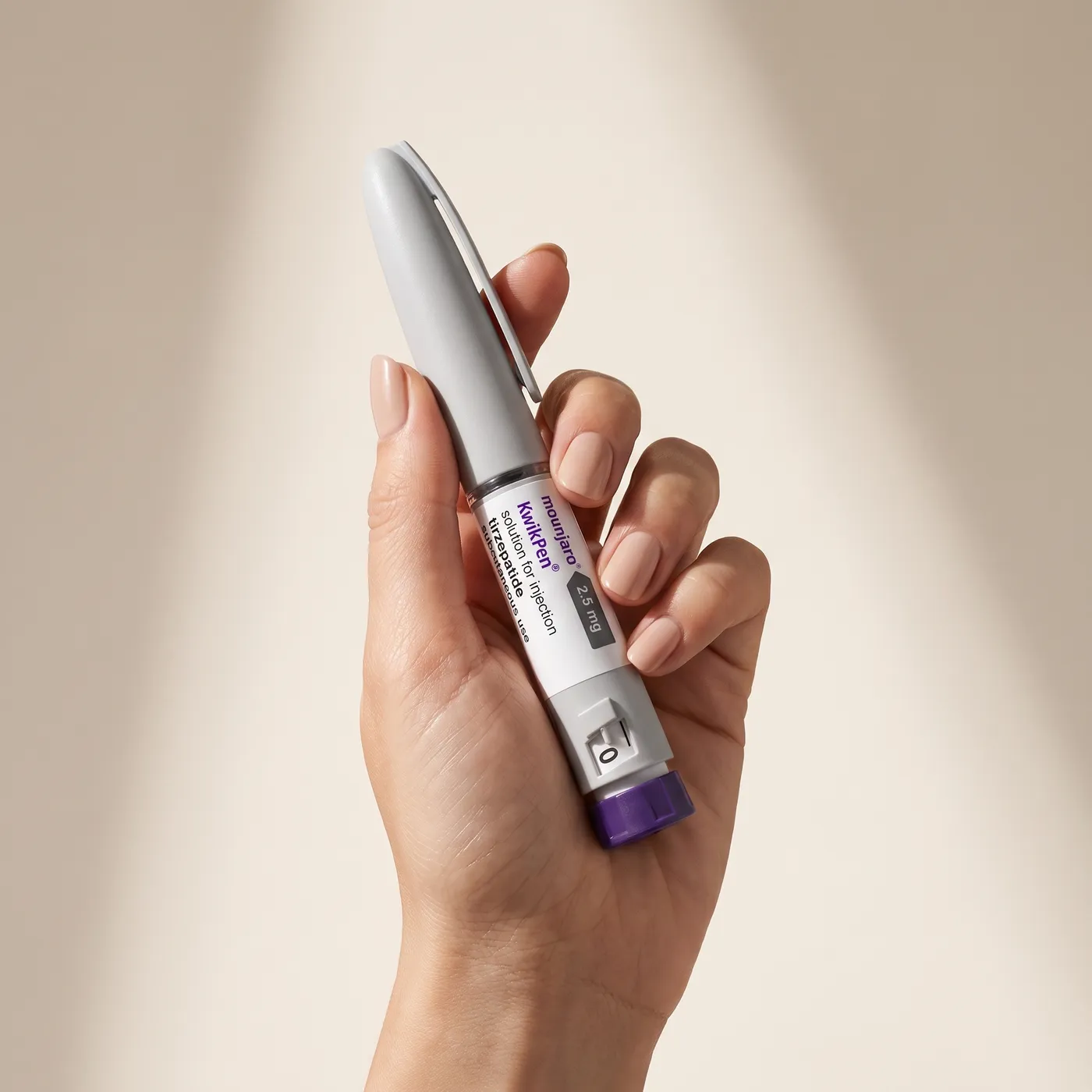
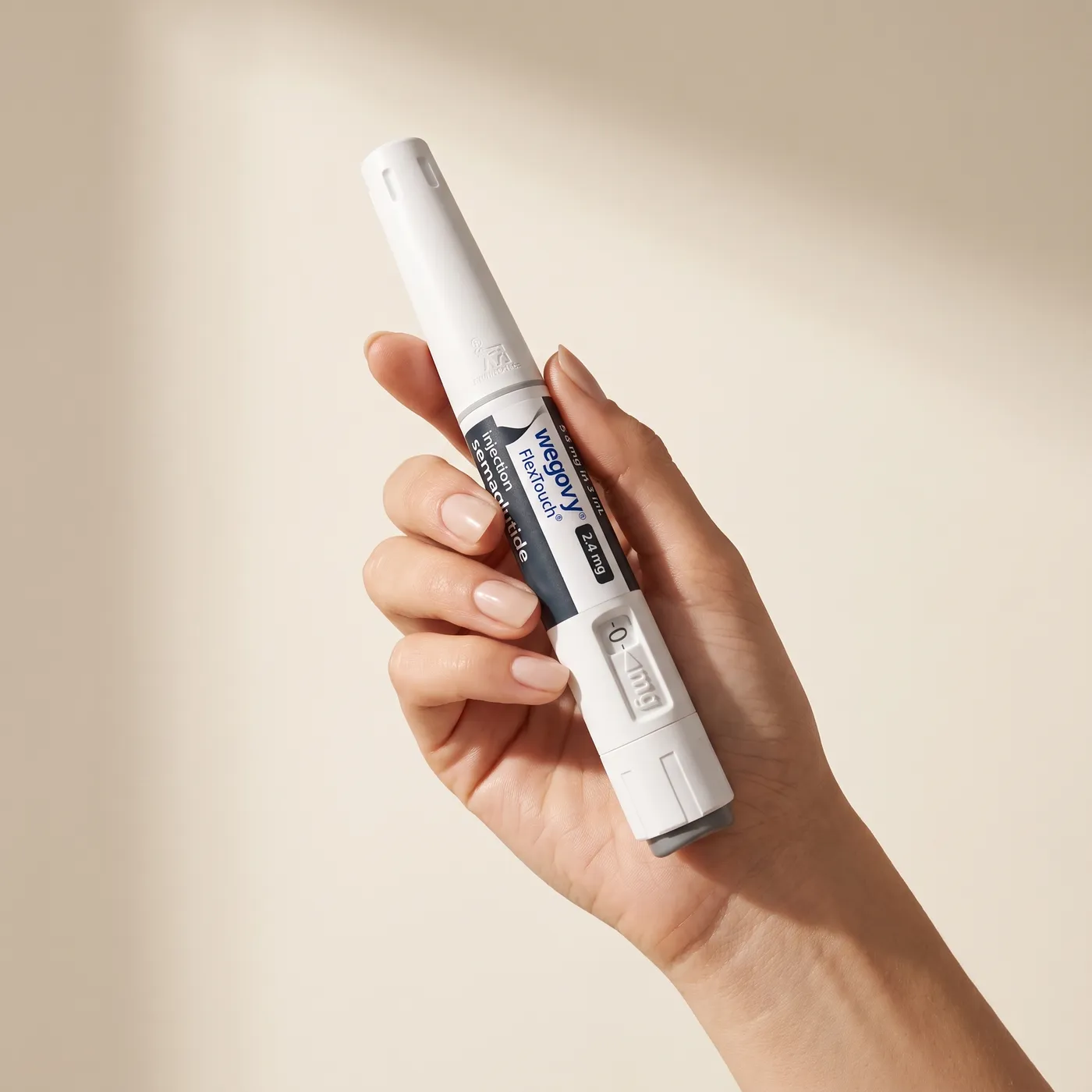
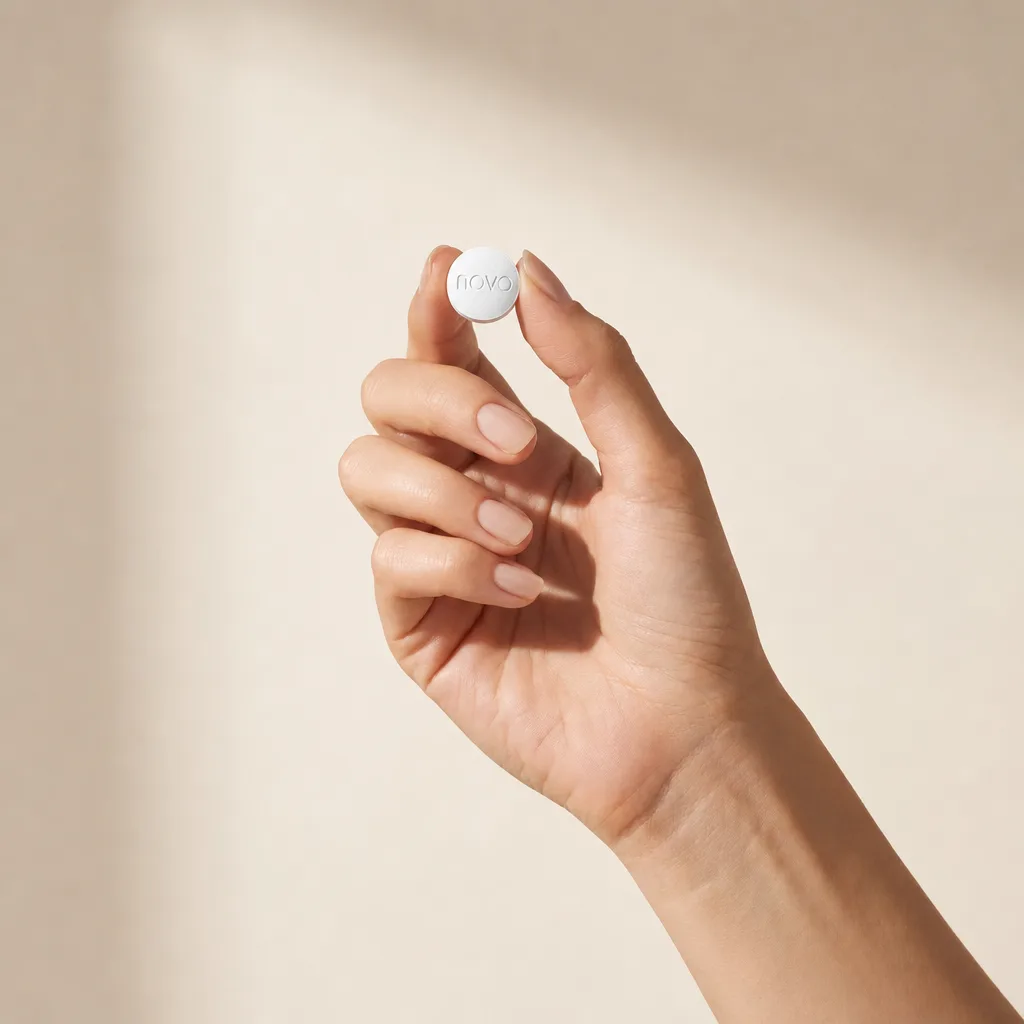
The treatments that produce substantial, well-documented weight loss are the GLP-1 receptor agonists, medicines that mimic a natural fullness hormone so appetite falls and eating less stops being a constant fight. For years these were weekly injections, semaglutide and tirzepatide among them, with large trials showing weight loss in the range of roughly a tenth to a fifth of body weight over about a year and a half, varying by medicine, dose and person. The newer development is that the UK has approved its first GLP-1 tablet for weight loss, an oral form of semaglutide. For people who want an evidence-based tablet rather than an injection, that is the category that actually delivers, and we cover it fully in our complete guide to the Wegovy pill.
The MHRA's approval of the first GLP-1 tablet for weight loss confirmed the licence in 2025, making the UK one of the first countries where an evidence-based weight loss tablet of this strength is available through regulated pharmacies.
How do weight loss pills work?
The pills with evidence work through two mechanisms. Orlistat acts locally in the gut, blocking around a third of dietary fat from being absorbed, so fewer calories are taken in from the same meal. GLP-1 tablets work on appetite itself, mimicking a natural fullness hormone so you feel satisfied sooner and eat less without a constant fight. The same hormone approach powers weight loss injections. Older stimulant-style appetite suppressants are no longer prescribed in the UK because their risks outweighed their benefits.
The catch: prescription treatments have entry criteria
GLP-1 medicines, tablet or injection, are prescription-only and licensed for people living with obesity, or who are overweight with a weight-related health condition, judged on measures such as body mass index and medical history. They are not appropriate for someone already at a healthy weight who wants to be lighter, they should not be used in pregnancy, and they carry side effects, mostly digestive and temporary, plus uncommon serious risks that are the reason treatment is supervised. A clinical consultation is not an obstacle between you and the medicine; it is how the medicine is used safely, and it is also where honest alternatives get discussed if treatment is not right for you.
Our guide to weight loss injection eligibility in the UK sets out the criteria, which apply to the tablet as well, and our BMI calculator gives you the starting number in under a minute.
How to spot a pill that will not work
A few reliable warning signs: dramatic promises on short timescales; before-and-after imagery doing the persuading; natural or clinically inspired language in place of trial data; no clinical consultation required for something claiming drug-like effects; and availability through social media sellers. By contrast, the treatments that work arrive quietly, through a prescriber, with eligibility criteria, dose schedules, side-effect counselling and reviews. If you are weighing options, our comparison of the Wegovy pill vs the injection and our guide to how GLP-1 weight-loss treatments work are useful next reads, and a clinical consultation can tell you which, if any, fits your circumstances.
The honest summary: over-the-counter pills that melt fat do not exist. Evidence-based tablets do, but they are medicines, with everything that word implies: criteria, supervision, side effects, and results that build with time and effort rather than arriving overnight.
Why the evidence gap exists
It is worth understanding why the supplement shelf and the prescription shelf are so different, because the difference is structural rather than accidental. A licensed medicine must prove effectiveness and safety in randomised controlled trials before it can be sold, and its manufacturer must keep collecting safety data afterwards. A food supplement faces no such bar: it must merely be safe to consume, and its marketing lives on implication rather than demonstrated effect. That regulatory asymmetry means the absence of evidence for a supplement is not an oversight waiting to be corrected; in most cases the studies were done, were small or negative, and the product sold anyway. When a compound genuinely works at scale, it does not stay a supplement for long, because the commercial incentive is to license it as a medicine and charge accordingly. The shelf a product sits on is itself information.
Where diet and activity still fit
None of this makes lifestyle change obsolete, and the trial data is clear on the point: every effective medicine was tested alongside dietary and activity support, not instead of it. The medicines reduce appetite; what fills the smaller appetite still decides body composition, energy and how sustainable the result is. Enough protein protects muscle while weight falls, resistance activity protects it further, and eating patterns you can hold for years are what keep weight off if treatment is ever reduced. For people who do not meet the criteria for prescription treatment, structured support with food, activity and sleep remains the evidence-based route, and it is considerably more powerful than anything sold in a supplement aisle. The realistic picture is not pills versus effort; it is that the only pills worth taking are the ones designed to make the effort winnable.
For the full picture of what the NHS recommends across diet, activity and medicines, the NHS obesity treatment pages are the reference point.