



Here's what we'll cover
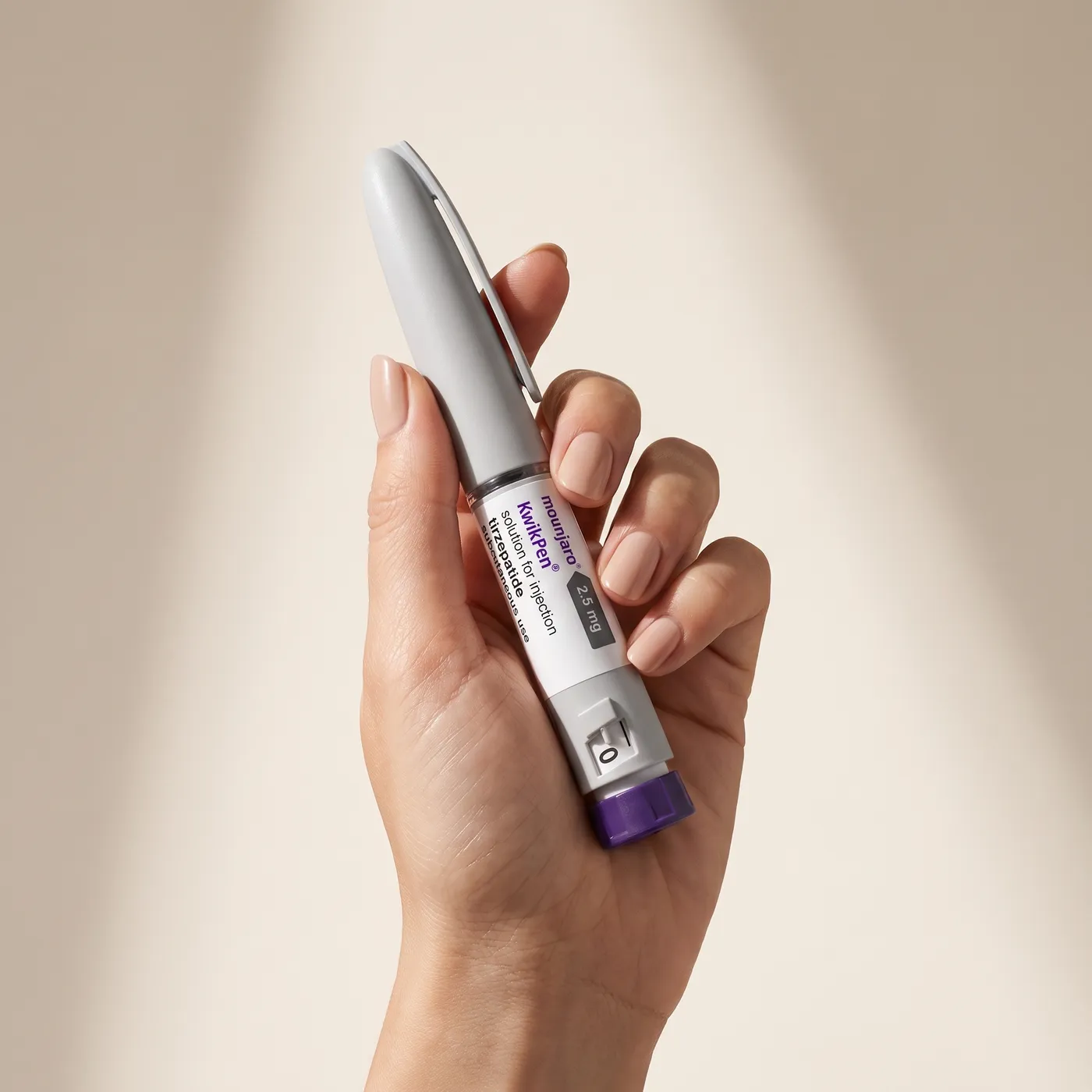
Before there was a weight-loss tablet, there was Rybelsus: the first semaglutide in a pill, and for years the answer whenever anyone asked whether the famous injections had an oral cousin. With a semaglutide tablet for weight management now approved, Rybelsus gets pulled into weight-loss conversations constantly, sometimes accurately and often not. This article explains what Rybelsus actually is, what it is licensed to do, and where it does and does not fit in weight management.
A diabetes medicine first and foremost
Rybelsus is licensed to treat type 2 diabetes in adults, used alongside diet and exercise when blood sugar needs more control, either alone when metformin is unsuitable or combined with other diabetes medicines. Its active ingredient is semaglutide, a GLP-1 receptor agonist that works with the body's own hormonal machinery: when blood sugar rises, it supports the pancreas in releasing insulin, it reduces the liver's sugar output, and it slows stomach emptying so glucose arrives in the blood more gradually. The same hormone action reduces appetite, which is why the drug family became famous for weight loss, but in Rybelsus the licensed target is blood sugar, measured in practice through HbA1c, the three-month blood sugar average we explain in a separate article.
Doses and the famous taking rules
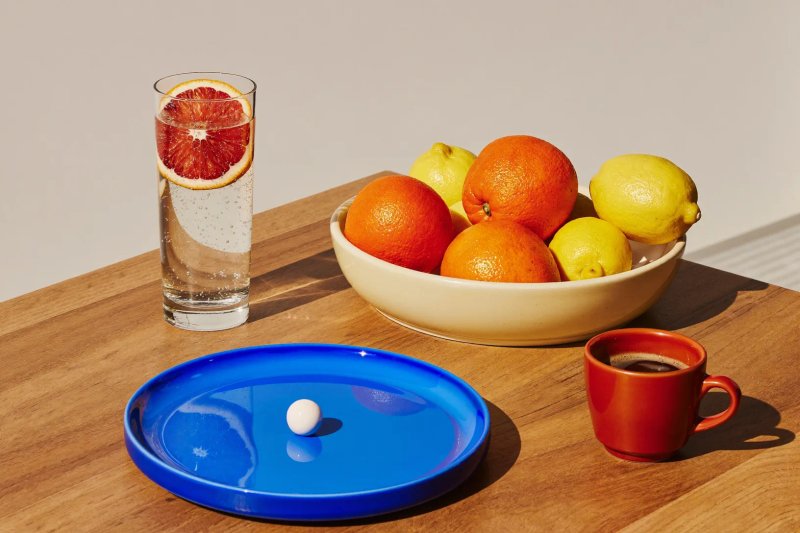
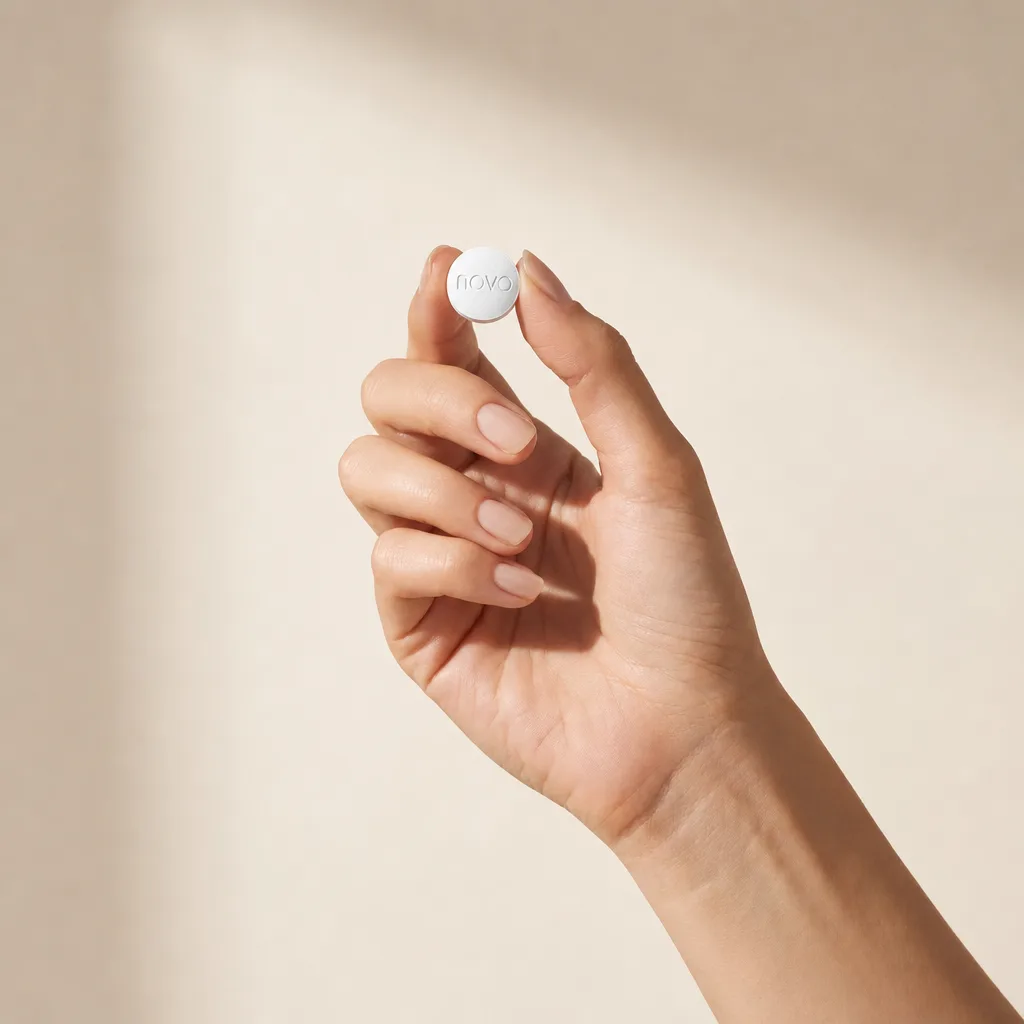
Rybelsus comes in 3 mg, 7 mg and 14 mg daily tablets, starting low and stepping up over months as needed and tolerated. Because swallowed semaglutide is destroyed by digestion unless protected, the tablet pairs the drug with an absorption enhancer, and that chemistry dictates the routine now shared by all oral semaglutide: taken on waking, on an empty stomach, with no more than about half a glass of plain water, swallowed whole, followed by at least 30 minutes with no food, drink or other medicines. Taken casually, with breakfast or coffee, much of the dose is simply lost, which is why prescribers labour the routine and why anyone taking it should treat the half-hour as non-negotiable.
Side effects and safety in brief
Rybelsus carries the GLP-1 family profile: nausea, diarrhoea or constipation and reduced appetite are the common early effects, worst around dose changes and usually settling as the body adapts. Uncommon but serious risks include pancreatitis and gallbladder problems, and combining Rybelsus with insulin or sulfonylureas can push blood sugar too low, so those combinations are monitored and sometimes adjusted. It should not be used in pregnancy, and people with diabetic eye disease need monitoring if blood sugar improves rapidly. As ever, the safety picture depends on honest medical history at prescribing and prompt attention to warning signs such as severe abdominal pain.
So does Rybelsus cause weight loss?
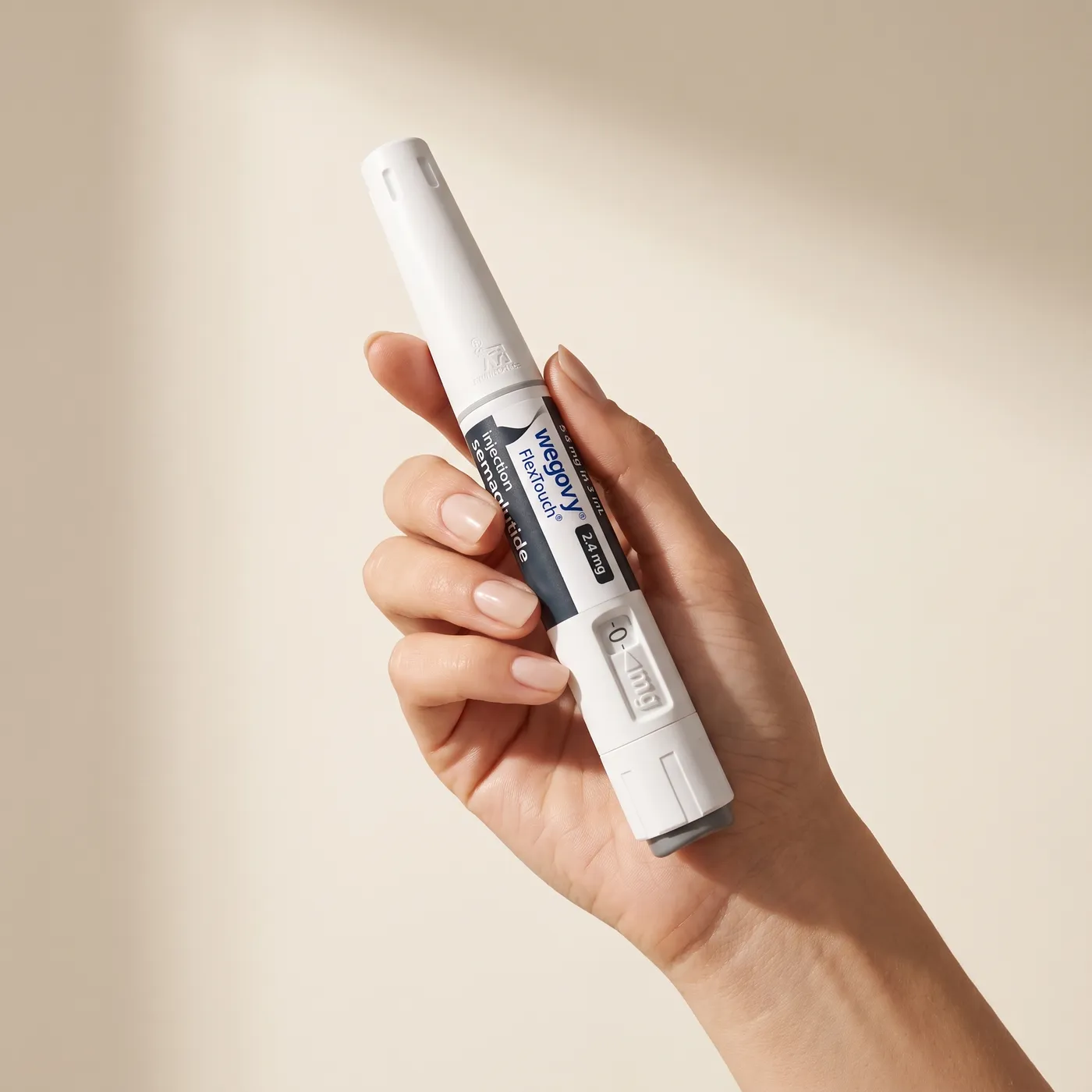
Usually some, and this is where precision matters. Appetite reduction comes with the mechanism, and people on Rybelsus commonly lose a few kilograms, a welcome effect in type 2 diabetes where weight and blood sugar interact. But its doses top out at 14 mg, far below the level used in the weight-management trials, and the substantial weight-loss results that made headlines belong to the higher-dose products: the semaglutide injection and now the oral weight-management tablet, whose trial used a much larger daily dose. Rybelsus is not licensed for weight loss, and prescribing it for that purpose alone is off-label use requiring specific clinical justification. If weight management is the goal and you do not have type 2 diabetes, the licensed conversation is about the Wegovy pill or the injections, not about borrowing a diabetes tablet at a fraction of the studied dose.
Where this leaves you
If you have type 2 diabetes, Rybelsus is one of the established oral options your diabetes team may consider, particularly if injections do not appeal, and any weight benefit arrives as a bonus alongside the blood sugar work. If you are seeking weight loss without diabetes, Rybelsus is the wrong door, not because the molecule differs but because the dose and licence do; the right conversation is a weight-management consultation against the criteria for the licensed treatments. And if you have both conditions, that is precisely the situation where a prescriber weighs the whole picture, since the newer dual conversation, blood sugar plus weight, is increasingly the norm. For the full story of the weight-management tablet, see our complete guide to the Wegovy pill and our direct comparison of the Wegovy pill and Rybelsus.
Living with Rybelsus day to day
For those who are prescribed it, the daily reality settles quickly. The tablet anchors to waking: keep the blister pack and a small glass of water at the bedside, take it before anything else, and let the half hour pass while getting ready, with breakfast and other medicines following after. Tablets stay in their original blister until taken, since they are sensitive to moisture, so pill organisers are out and the bathroom cabinet is a poor home for the pack. Missed doses follow the usual oral semaglutide rule: skip rather than double, and mention repeated misses at review. Diabetes care continues around the medicine rather than being replaced by it, with HbA1c checks tracking whether the tablet is doing its job, ongoing eye screening, and the diet and activity work that every diabetes treatment builds on. Most people find the routine invisible within a month; the half hour that felt awkward in week one becomes simply how mornings start. If it never settles, or the empty-stomach rules genuinely fight your schedule, say so at review rather than improvising, because injectable alternatives exist within diabetes care and the right format is the one you will actually take.