






Here's what we'll cover
Few things are more demoralising than taking a medicine you had high hopes for and watching the scales refuse to move. It is also one of the most searched questions about Wegovy, which says something useful: you are not alone, and stalled progress is common enough to have well-understood causes. Most of them are findable and fixable. This article works through the culprits roughly in order of likelihood, for both the injection and the newer pill, and ends with what to do if none of them fits.
You may simply be early in the dose schedule
Wegovy starts at a deliberately low dose and steps up over several months. The introductory doses exist to let your digestive system adapt, not to produce maximum weight loss, and plenty of people see little change until they are two or three steps up the ladder. If you are in your first six to eight weeks, the most likely explanation is the calendar. Judge the treatment at maintenance dose, over months, not during the run-up. Our article on how long the Wegovy pill takes to work sets out the full timeline.
On the pill: check the morning routine first
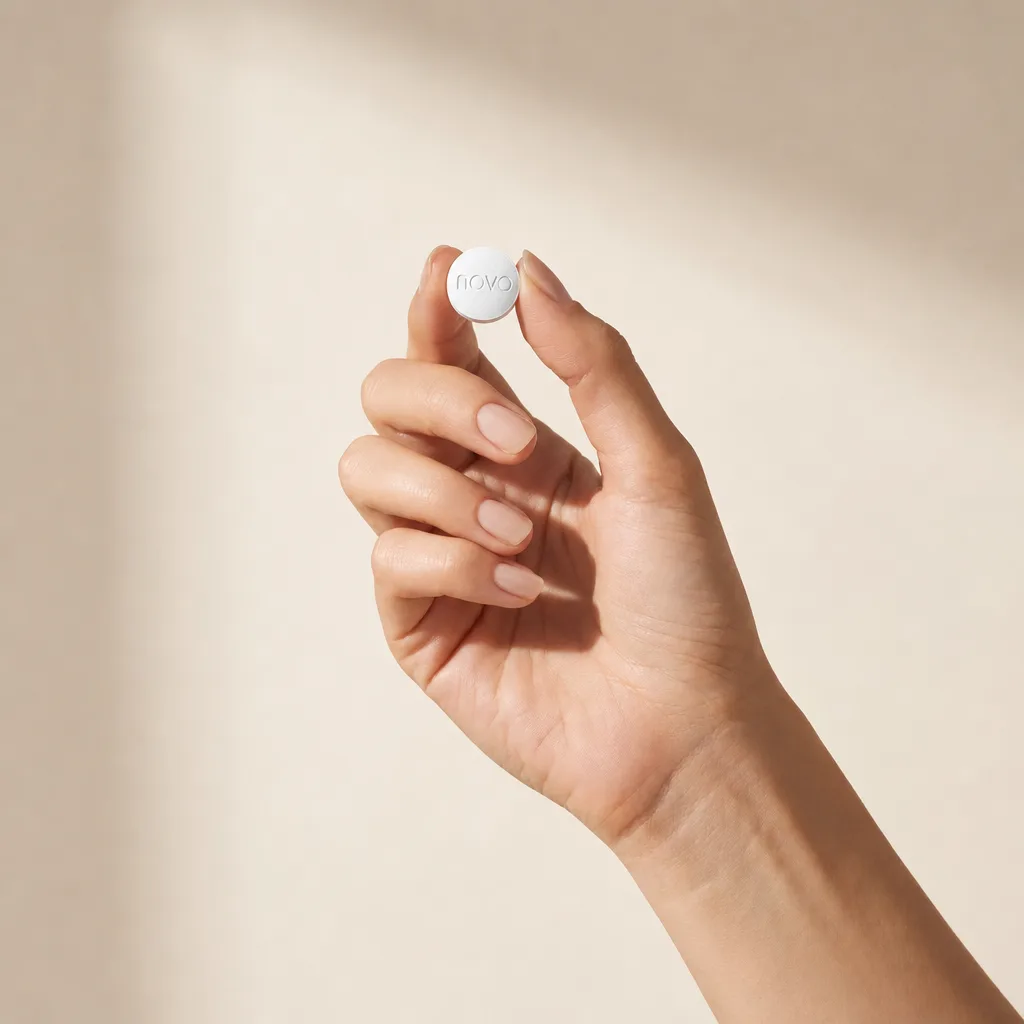
If you take the tablet form, this is the highest-yield check available. Oral semaglutide must be taken on an empty stomach with only a small sip of water, followed by at least 30 minutes before food, drink or other medicines. Taken with coffee, breakfast, or a full glass of water, much of the dose is simply not absorbed, and a pattern of casual mornings adds up to a materially lower effective dose than your prescription suggests. Be honest with yourself about the last two weeks of mornings; if more than a couple went wrong, fix the routine before drawing any conclusion about the medicine.
The dietary culprits the medicine cannot fix
Semaglutide reduces appetite; it does not count calories. The classic gap-openers are drinks, because alcohol, lattes, juices and sugary soft drinks slide past fullness signals entirely; grazing on energy-dense foods in small volumes, cheese, nuts, chocolate, crisps, which fit easily into a reduced appetite; and eating out of habit, boredom or emotion rather than hunger, which the medicine dampens but does not delete. Protein deserves a special mention: too little of it costs muscle as weight falls and leaves you less satisfied per meal. None of this requires a formal diet, but a fortnight of honestly logging what actually goes in, including drinks, finds the leak in most cases.
Plateaus after good progress are a different thing
Losing well for months and then stalling is not the same problem as never starting. As weight falls, your body needs fewer calories to run, so the deficit that produced steady loss gradually shrinks towards zero; appetite can also drift back up as the body adapts. Plateaus are therefore an expected feature of any successful weight-loss journey, medicated or not. The responses that work are unglamorous: re-anchor portions, rebuild activity that has quietly declined, check whether the dose has room to move under your prescriber's guidance, and give it weeks rather than days. A plateau at a weight meaningfully below where you started is progress being consolidated, not progress ending.
The medical checklist
A few medical factors legitimately blunt progress and belong on a review agenda: an underactive thyroid; medicines associated with weight gain, including some antidepressants, antipsychotics, steroids and insulin; menopause, which shifts fat distribution and slows loss for many women; poor sleep and untreated sleep apnoea, which push hunger hormones the wrong way; and, less commonly, conditions such as polycystic ovary syndrome. Mention anything on this list to your prescriber, since several have their own treatments that unlock progress. Weigh-in method matters too: weekly averages under consistent conditions, not daily readings, which mislead more than they inform.
If none of this fits: true non-response
A minority of people genuinely respond weakly to any given medicine, semaglutide included; trial data always contains non-responders alongside strong responders. If you have held a maintenance dose for a fair run of months, taken it correctly, tightened the habits above, and still see no meaningful change in appetite or weight, that is not a personal failing and it is not the end of the road. Prescribers can reassess dose, switch to a different medicine, since response to one GLP-1 treatment does not predict response to another class member such as tirzepatide, or bring in more structured dietetic support. The one unproductive move is quietly giving up without the conversation. Stalled progress has causes; go and find yours with your clinical team, starting from our complete guide to the Wegovy pill if you want the fundamentals refreshed first.
A one-week diagnostic you can run yourself
Before your next review, a single honest week of records answers most of the questions above. Note each morning whether the tablet routine was done exactly: empty stomach, sip of water, full 30-minute wait. Log everything consumed, including every drink, without editing for respectability, since the log only works if it is true. Record hunger out of ten before each meal, which shows whether the medicine is moving appetite. Weigh twice under identical conditions and average them. At the end of the week the pattern usually announces itself: perfect routine plus flat hunger scores points to a dose conversation; sloppy mornings point to routine; good hunger scores with a calorie-dense log point to intake. Take the week's records to your prescriber and the review starts from evidence instead of impressions, which is the fastest route from stalled to moving that exists.