





Here's what we'll cover
It is the first question most people ask about any weight-loss treatment, and it deserves a straight answer rather than marketing fog: how much weight do people actually lose on oral semaglutide? The trial data gives a clear central figure, but the more useful understanding is what sits around that figure, because the spread between individuals is wide and the reasons for it are mostly things you can see and influence.
What the main trial found
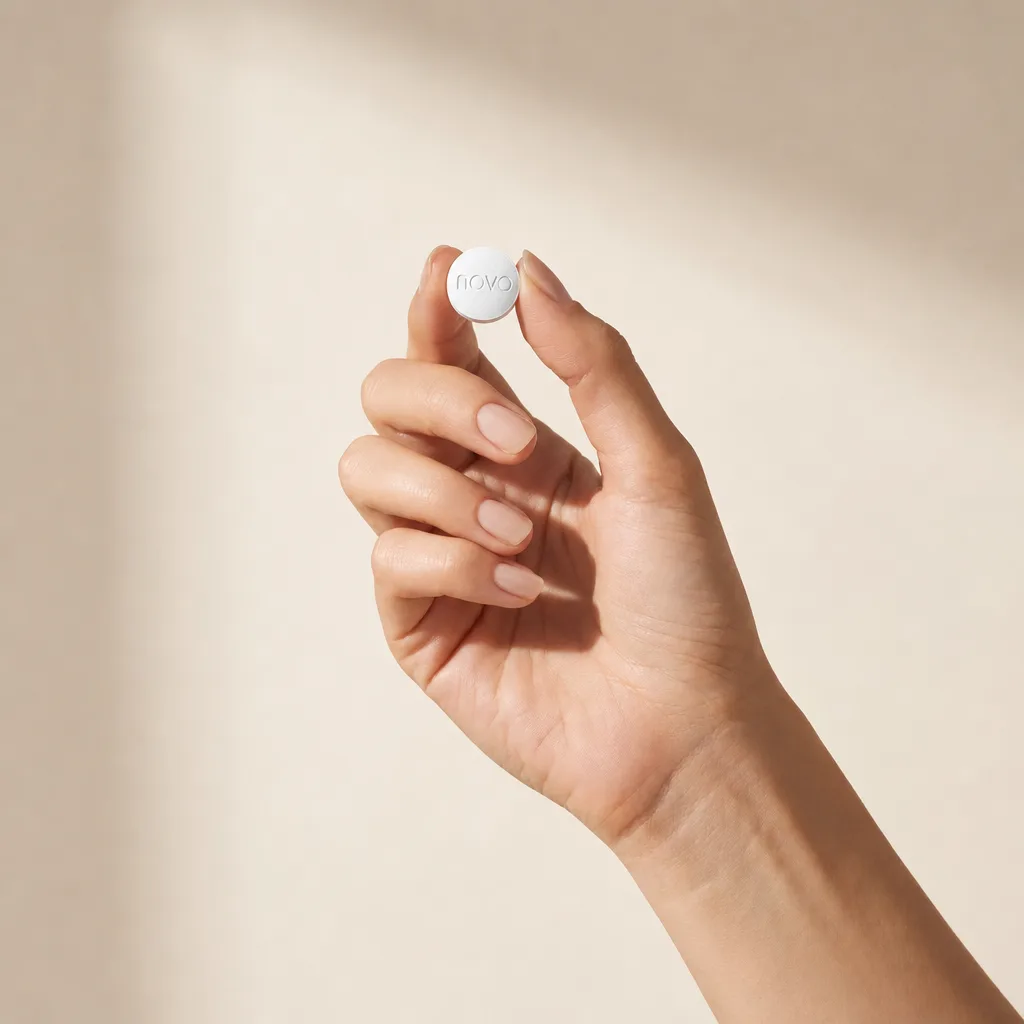
The key study of oral semaglutide for weight management, known as OASIS 1, followed adults with obesity or overweight plus a weight-related condition for 68 weeks, roughly 16 months, on the 50 mg daily tablet alongside diet and activity support. Average weight loss was around 15% of starting body weight, compared with roughly 2.4% in the placebo group who received the same lifestyle support without the medicine. For someone starting at 100 kg, that average is about 15 kg. A large majority of participants lost at least 5% of their body weight, and a substantial proportion lost 20% or more.
Two honest caveats belong next to those numbers. Trials measure a specific dose taken under study conditions, with structured support and closer monitoring than everyday practice always provides. And trial participants are selected by eligibility criteria, so your starting point may differ from theirs. The figures are a fair guide to what the medicine can do; they are not a promise of what any individual will experience.
Why results spread so widely
Behind every trial average sits a distribution, and where a person lands on it is not random. Biology plays a part: people genuinely differ in how strongly their appetite responds to GLP-1 medicines. But the controllable factors carry real weight. Whether the tablet is taken correctly every morning, on an empty stomach with the waiting window, decides how much medicine is actually absorbed. Whether reduced appetite is turned into genuinely smaller intake, rather than fewer but richer meals, decides the calorie result. Protein intake and activity decide how much of the lost weight is fat rather than muscle. And staying on treatment matters most of all, since people who stop early, for side effects or cost or drift, capture only a fraction of the effect.
What counts as success?
Headline percentages make poor personal targets, because the health gains from weight loss do not wait for dramatic numbers. Losing 5% of body weight measurably improves blood pressure, blood sugar and cholesterol; 10% deepens those gains and eases joints and sleep apnoea; beyond that, improvements continue but each kilogram matters slightly less to health than the first ones did. Clinicians therefore tend to frame success in stages: a 5% loss within the first months as the marker that treatment is working, then further progress reviewed against your specific health goals, whether that is coming off blood pressure medication, improving fertility, or reaching a joint-replacement threshold. A target tied to something that matters to you outlasts a number borrowed from a trial.
How the pill compares with other options
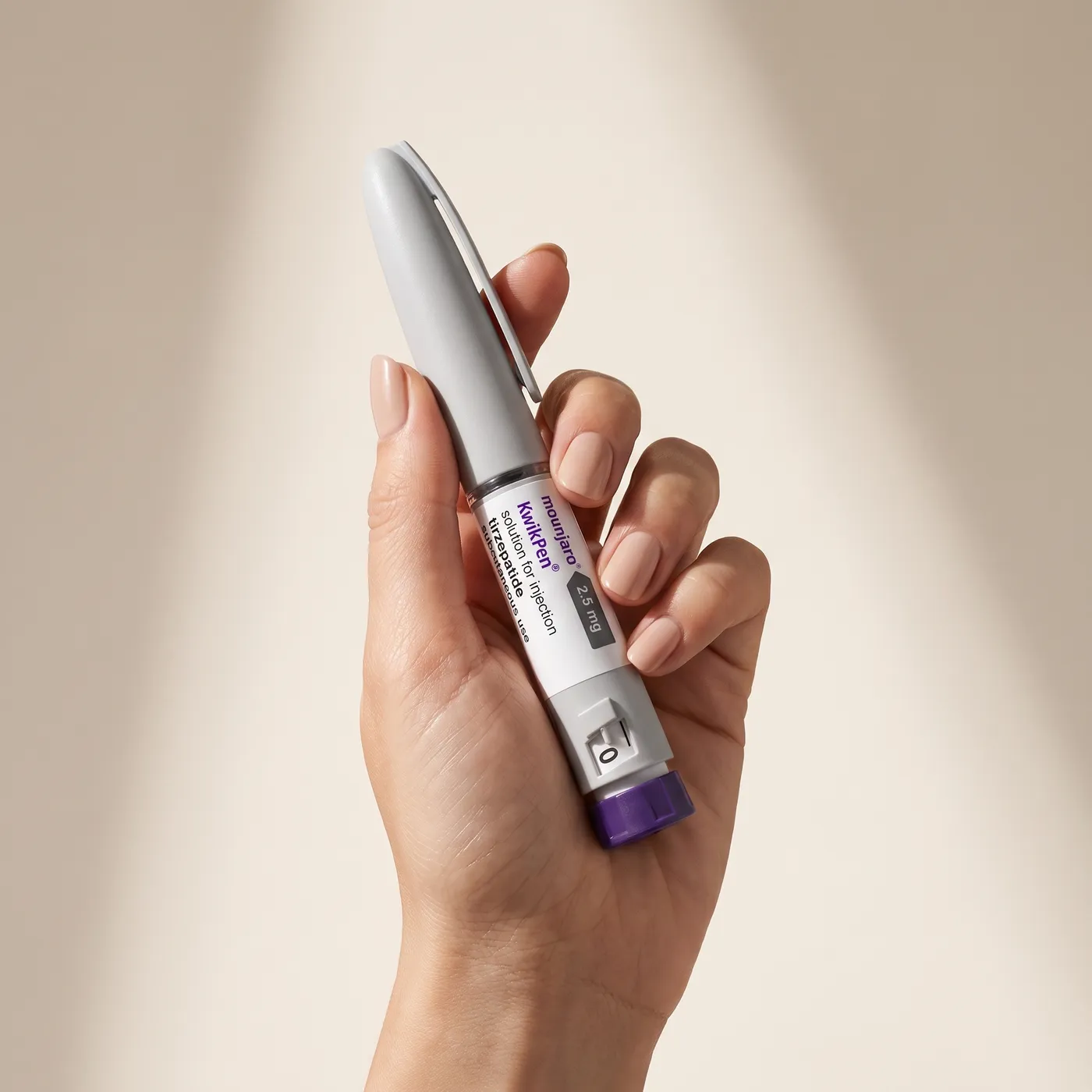
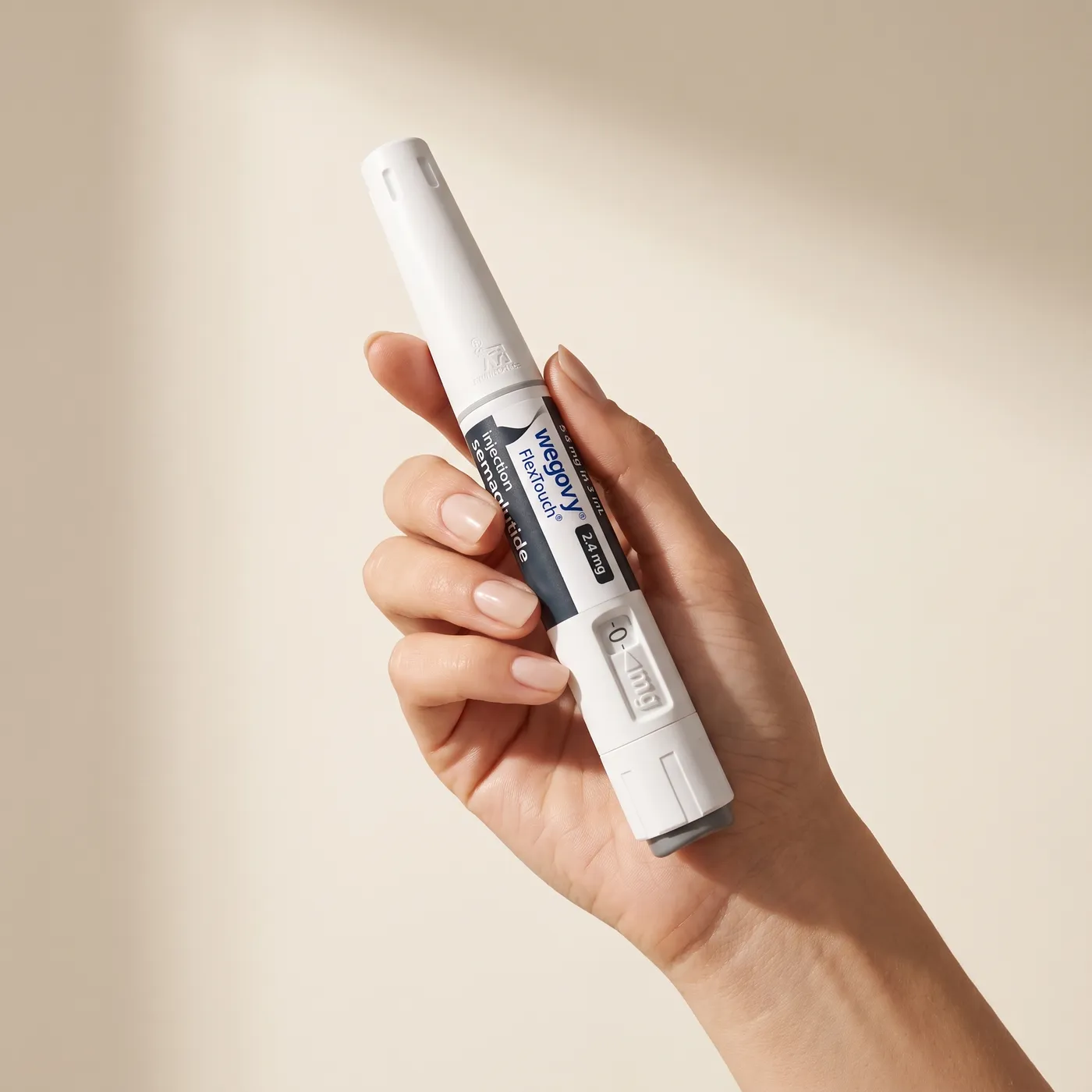
For context rather than competition: the oral semaglutide trial average sits in the same broad territory as the weekly semaglutide injection, while tirzepatide, a different weekly injection, has produced somewhat higher averages in its own trials. Cross-trial comparisons are inexact because populations and designs differ, but the practical reading is that the pill is a genuinely effective option, not a diluted one, and the choice between treatments usually turns on route, tolerability, availability and clinical fit rather than a decisive gap in results. Our comparison of the Wegovy pill and injection covers those trade-offs.
Keeping the weight off
The harder half of the question is not how much you can lose but how much you can keep off. Evidence across GLP-1 medicines shows that stopping treatment is typically followed by regaining a proportion of the lost weight, because the appetite support the medicine provided is withdrawn. That is not failure; it reflects obesity behaving as a long-term condition. It argues for treating the months on treatment as a window for building habits that hold some of the ground on their own, protein-forward eating, regular activity and strength work among them, and for making any decision about stopping or stepping down dose with your clinician rather than abruptly.
The straight answer, then: trial evidence supports average weight loss of around 15% of body weight on the oral semaglutide weight-management dose over about 16 months, with wide individual variation in both directions, and with your routine, habits and persistence deciding much of where you land in that range. Set your own target with a clinician against your health, take the tablet properly, and judge progress over months. For the fundamentals, start with our complete guide to the Wegovy pill.
Reading your own first months
Because the dose steps up gradually, your early numbers will understate your eventual trajectory, and it helps to know what a healthy start looks like. Clinicians often use 5% loss by around three to six months at an established dose as the practical marker that treatment is working, with the trajectory continuing beyond it rather than stopping there. Weigh weekly under the same conditions and read the month-on-month trend, not the day-to-day noise, which fluctuates with water, hormones and digestion regardless of fat change. If appetite has clearly fallen but the trend line is flat, the gap is usually in liquid calories or portion drift rather than the medicine; if neither appetite nor weight has moved after a fair run at maintenance dose, that is a review conversation, and our article on not losing weight on Wegovy maps the causes. Either way, the number that matters is your own trend against your own starting point, not anyone else's headline.