





Here's what we'll cover
What to eat on Mounjaro comes down to a simple formula: protein at every meal, plenty of vegetables and fibre, regular fluids, and smaller portions eaten slowly, with fatty and rich food kept back around dose increases. Nothing is banned; the aim is making a much smaller appetite deliver everything the body needs. The difference between eating well and eating carelessly on tirzepatide shows up in three places: how much muscle you keep, how much nausea you feel, and whether the reduced appetite actually converts into weight loss. This guide covers all three.
Protein first, at every meal
When weight falls, the body sheds muscle alongside fat unless you actively defend it, and the defence is protein plus movement. A reduced appetite makes it very easy to under-eat protein without noticing, which costs strength, slows metabolism and undermines the result you are working for; the British Nutrition Foundation sets out how much different people need. The rule that serves people best is protein first: first in meal planning and first on the fork. Eggs, Greek yoghurt or kefir at breakfast; a palm-sized portion of chicken, fish, lean meat, beans, tofu or cottage cheese anchoring lunch and dinner. Spreading protein across the day beats attempting one large protein dinner your new appetite cannot finish; our guide to protein targets on GLP-1 treatment puts numbers on it. If you are doing any strength work alongside, and it is strongly worth doing, protein is what converts that effort into kept muscle.
Eating to the new speed of your stomach
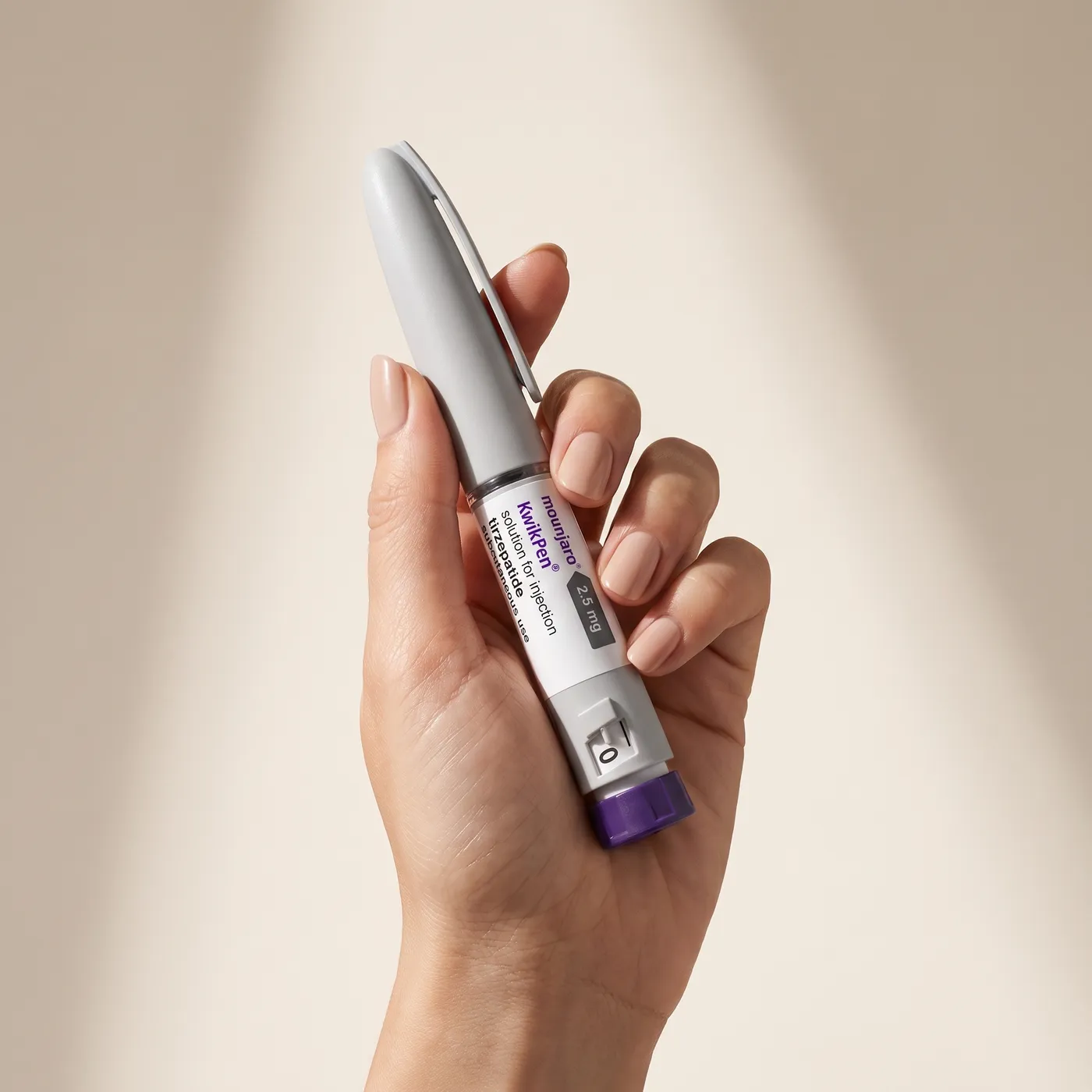
Tirzepatide slows stomach emptying, and most nausea on Mounjaro comes from eating at the old pace and portion size while the stomach works at the new one. Three habits prevent more discomfort than any food list: smaller servings, eaten slowly, stopping at the first sign of fullness rather than the last mouthful. Around dose increases, when queasiness is most likely, plainer choices help: soups, eggs, fish, rice, oats, bananas, well-cooked vegetables. The dependable triggers are large meals of any kind, fried and fatty food, and very rich sauces. None of this is a life sentence; tolerance usually widens again within a couple of weeks of each dose step as the body adjusts, and our guide to managing nausea on GLP-1 treatment covers the harder weeks.
Fluids, fibre and the unglamorous essentials
Two problems quietly cause a large share of Mounjaro discomfort: dehydration and constipation. Much of our daily fluid arrives with food and habitual drinks, so when eating halves, fluid intake falls with it, and any vomiting or diarrhoea compounds the loss. Keep water within reach all day and treat headaches or fatigue as a prompt to drink before anything else. Constipation responds to the same fluid plus deliberate fibre, vegetables, fruit, beans, wholegrains, and daily movement, in line with NHS Eat well guidance. Build these in from the start rather than waiting for trouble. If constipation persists despite the basics, a pharmacist can advise; persistent vomiting or an inability to keep fluids down needs clinical attention, not dietary tinkering.
Alcohol and liquid calories
Drinks deserve their own paragraph because they are the most common answer to the most frustrating question on this medicine: why has my appetite fallen but not my weight? Alcohol, lattes, juices, smoothies and sugary soft drinks slide past fullness signals entirely; a reduced appetite does nothing to a calorie you drink. Alcohol also tends to sit differently on treatment: many people find their tolerance changes, and it can aggravate a slowed stomach. Drinking less, and slowly, is the sensible default, and if weight has stalled, a fortnight of honestly logging everything consumed, including every drink, finds the leak in most cases. We cover the alcohol question fully in our article on GLP-1 treatment and alcohol.
What can you eat on Mounjaro? A day on a plate
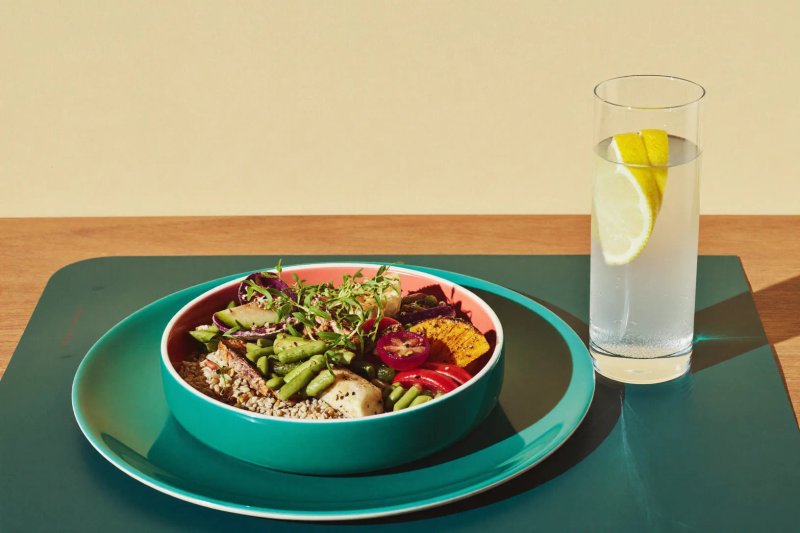
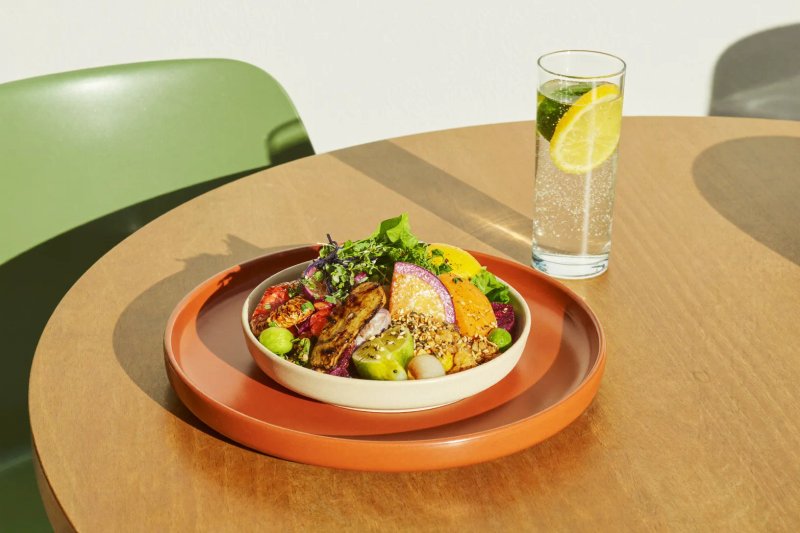
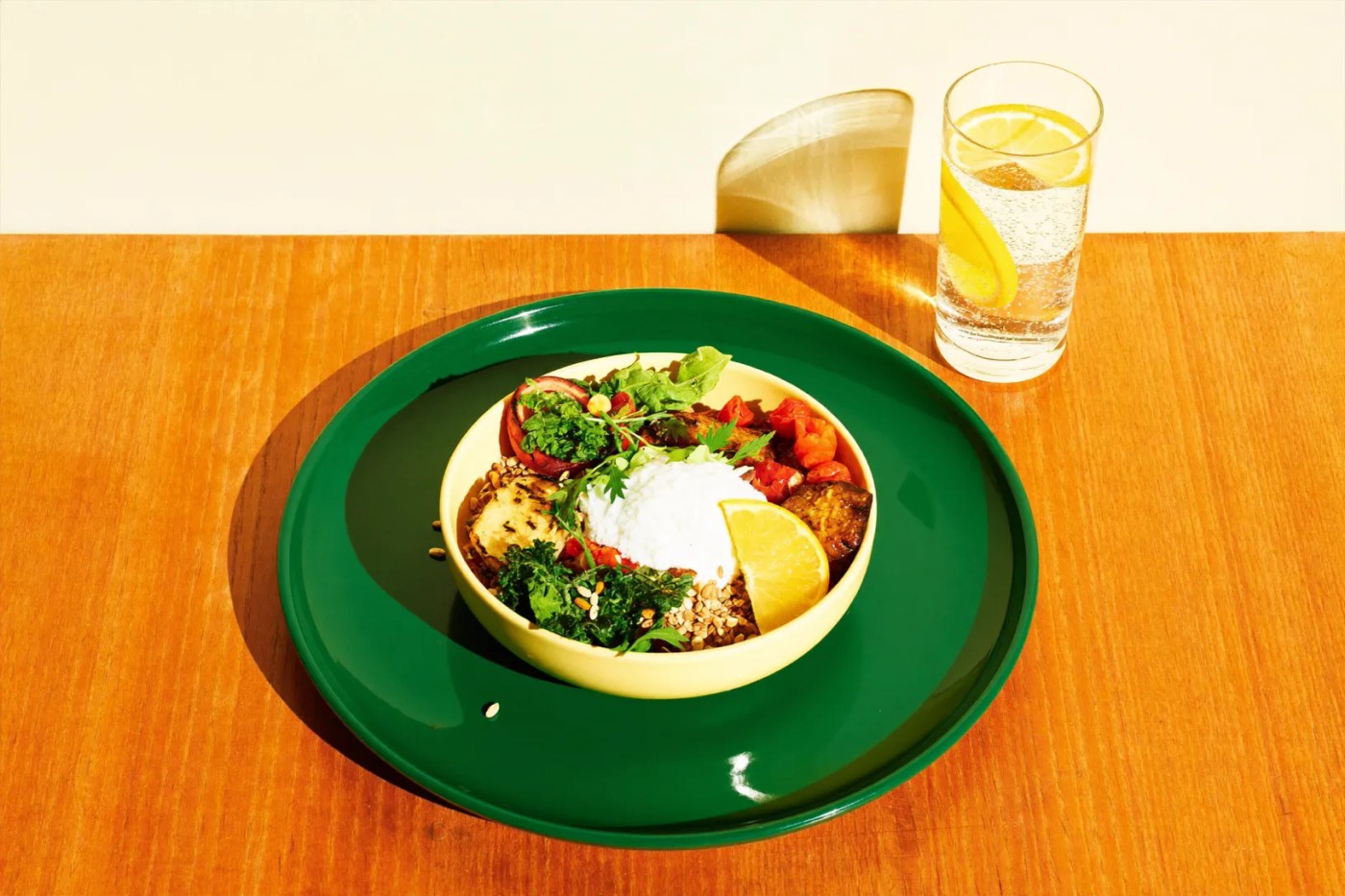
Pulled together into one ordinary day: breakfast is Greek yoghurt with berries and a spoon of oats, or eggs on wholegrain toast, with tea or coffee as usual. Lunch is a modest protein-anchored plate, a chicken or bean salad, a tuna wrap, last night's leftovers, eaten slowly enough to hear fullness arrive. If genuine hunger appears mid-afternoon, fruit, a small handful of nuts or a yoghurt covers it; if it is boredom rather than hunger, the medicine has usually made that distinction easier to hear. Dinner mirrors lunch in shape: palm of protein, plenty of vegetables, a fist of rice, potato or pasta, stopping when satisfied rather than when finished. Water through the day, alcohol occasional and unhurried. Nothing here is a diet in the punitive sense; it is ordinary food arranged so a smaller appetite still delivers everything the body needs.
When eating becomes genuinely difficult
There is a difference between a smaller appetite and a suppressed one, and it is worth naming. If you are struggling to finish even modest meals, skipping whole days of food, or losing interest in eating entirely, that is not extra credit; it is a dosing conversation for your prescriber, because under-eating costs muscle, energy and micronutrients and eventually undermines the treatment itself. A simple daily floor helps: three protein-containing meals, however small, and fluids throughout the day. If you cannot meet that floor for more than a few days running, say so at review rather than pushing through, because dose adjustments exist precisely for this. The goal on Mounjaro is eating less and eating better, not eating barely at all. Track your protein honestly, keep the unglamorous basics of fluid and fibre running, and treat food as part of the treatment rather than the enemy of it. For the rest of the routine, see our guides on how Mounjaro works and what to expect from side effects.