




Here's what we'll cover
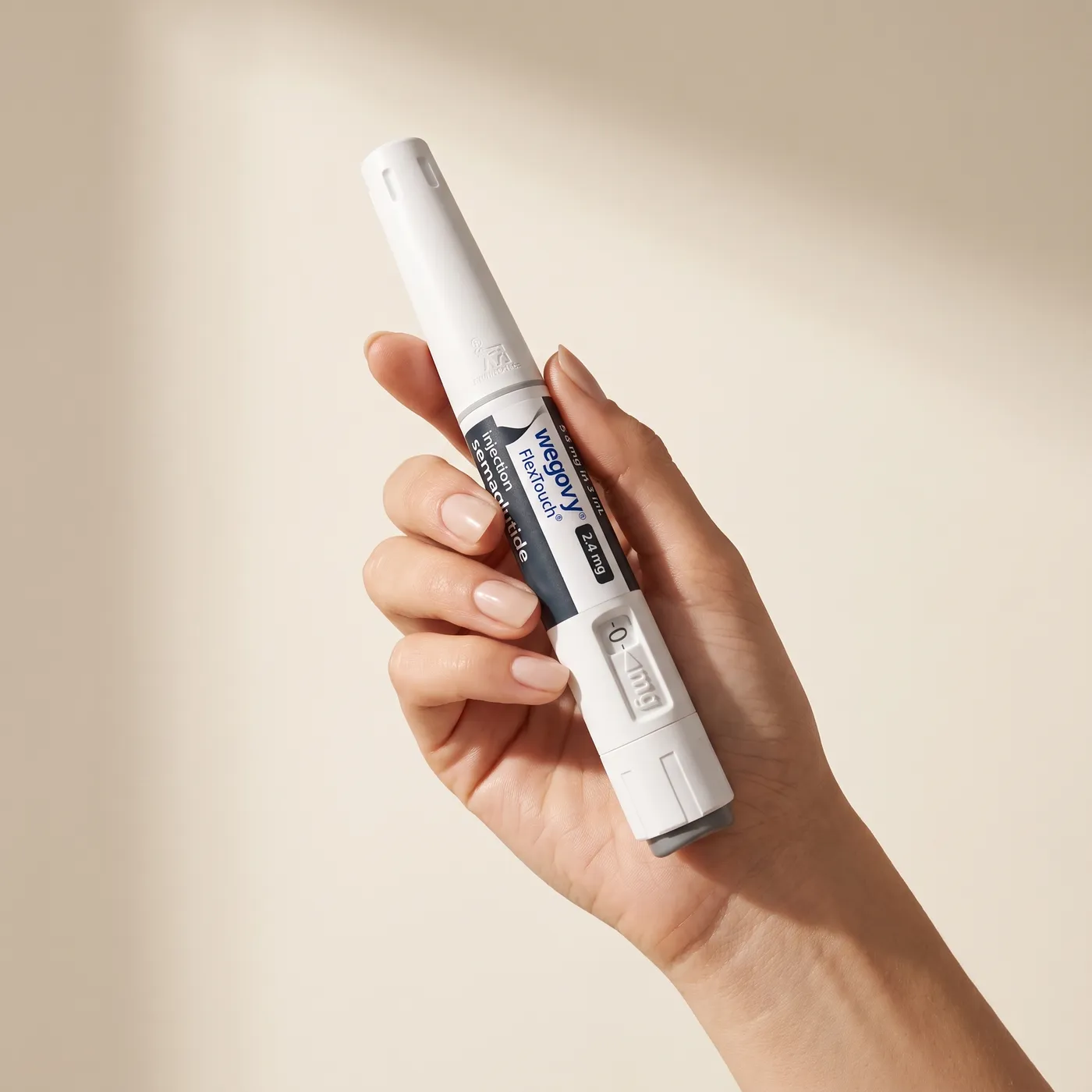
Facial changes during weight loss happen because you lose fat from all over your body, including your face, which can make it look thinner or less full. This is a consequence of weight loss itself, not a special effect of any particular medicine, despite the nickname for the effect that circulates on social media. The same change follows any significant weight loss, whether from diet, exercise, surgery or weight loss injections.
You may have seen a widely used online nickname that pins these facial changes on one brand of injection. It is a search term rather than a medical description, and it is misleading: the face changes because of fat loss, not because of a specific drug. Anyone who loses a comparable amount of weight by any method can see the same effect.
Why does your face change with weight loss?
The face holds fat pads that give it volume. As you lose body fat, these shrink along with everything else, so the face can look slimmer, more hollow, or older around the cheeks and under the eyes. Skin that previously covered a fuller face may also look a little looser, particularly with larger amounts of weight loss.
This is the same phenomenon seen with any significant weight loss, whether from dieting, exercise or surgery. The popular nickname wrongly pins it on one medicine; the cause is the weight change. Faster or larger losses tend to make the change more noticeable, partly because skin has less time to adapt as the fat beneath it reduces.
Do weight loss injections cause facial changes?
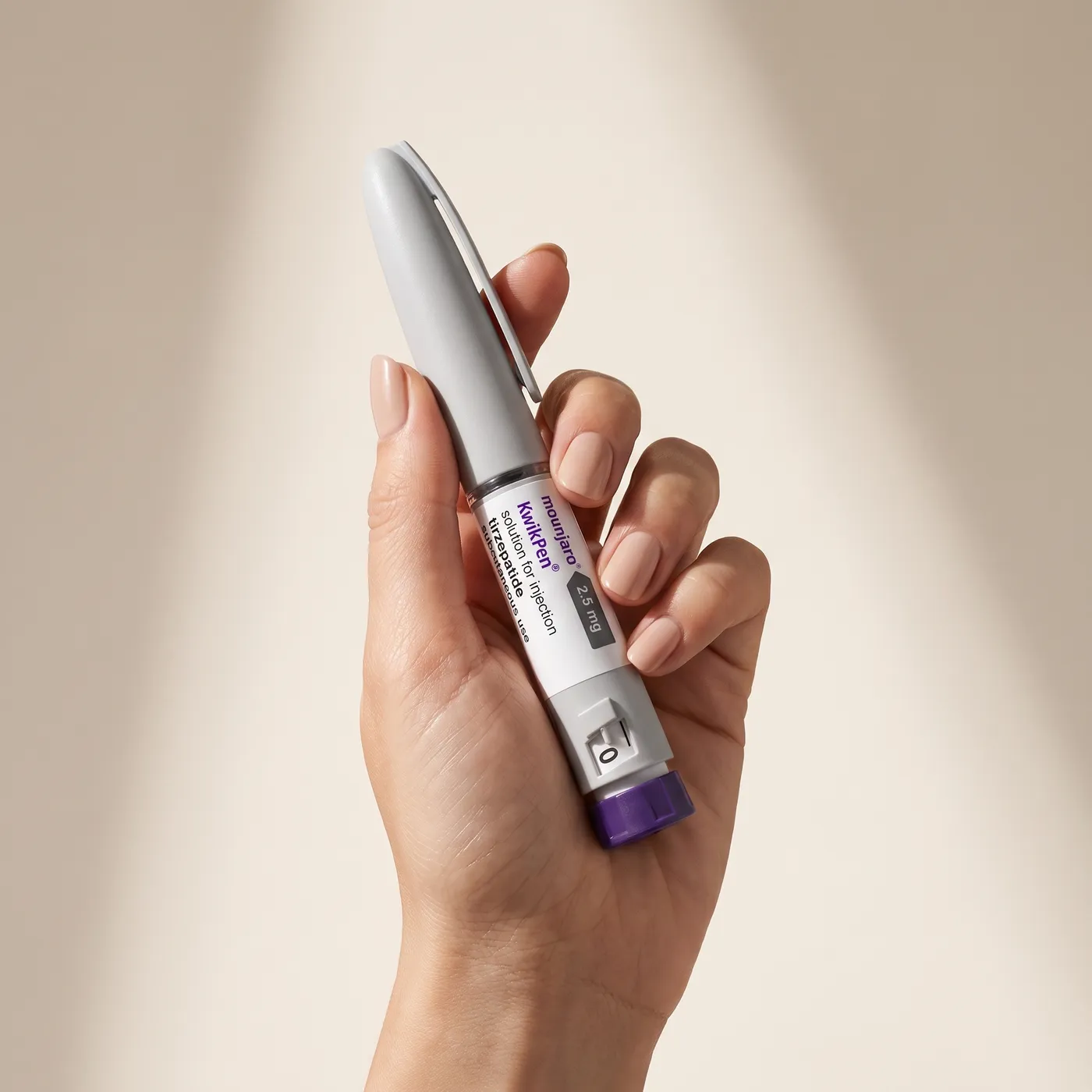
Weight loss injections do not act on facial tissue directly. What they do is reduce appetite and food intake, which leads to fat loss across the body, and the face is simply part of that. So the facial change linked to Mounjaro and other GLP-1 treatments is really the facial change of losing weight quickly, which these medicines can make easier to achieve. If you understand how Mounjaro works for weight loss, the appearance of the face follows the same logic as the rest of the body: less fat stored means less volume held.
It is also worth separating facial fat loss from other appearance changes that can accompany rapid weight loss, such as hair shedding after rapid weight loss, which has a different cause and usually recovers on its own. Both are more likely when weight comes off very fast, which is one reason a steady pace is generally kinder to how you look and feel.
What can help
You cannot choose where your body loses fat, but a few things give skin and facial support the best chance to keep pace. Getting enough protein matters in particular, and this is even more important on appetite-reducing treatment; our guide to protein targets on GLP-1s sets out practical numbers. The main levers are:
- Aim for steady rather than extreme weight loss, giving skin and facial tissue time to adapt as the fat beneath them reduces
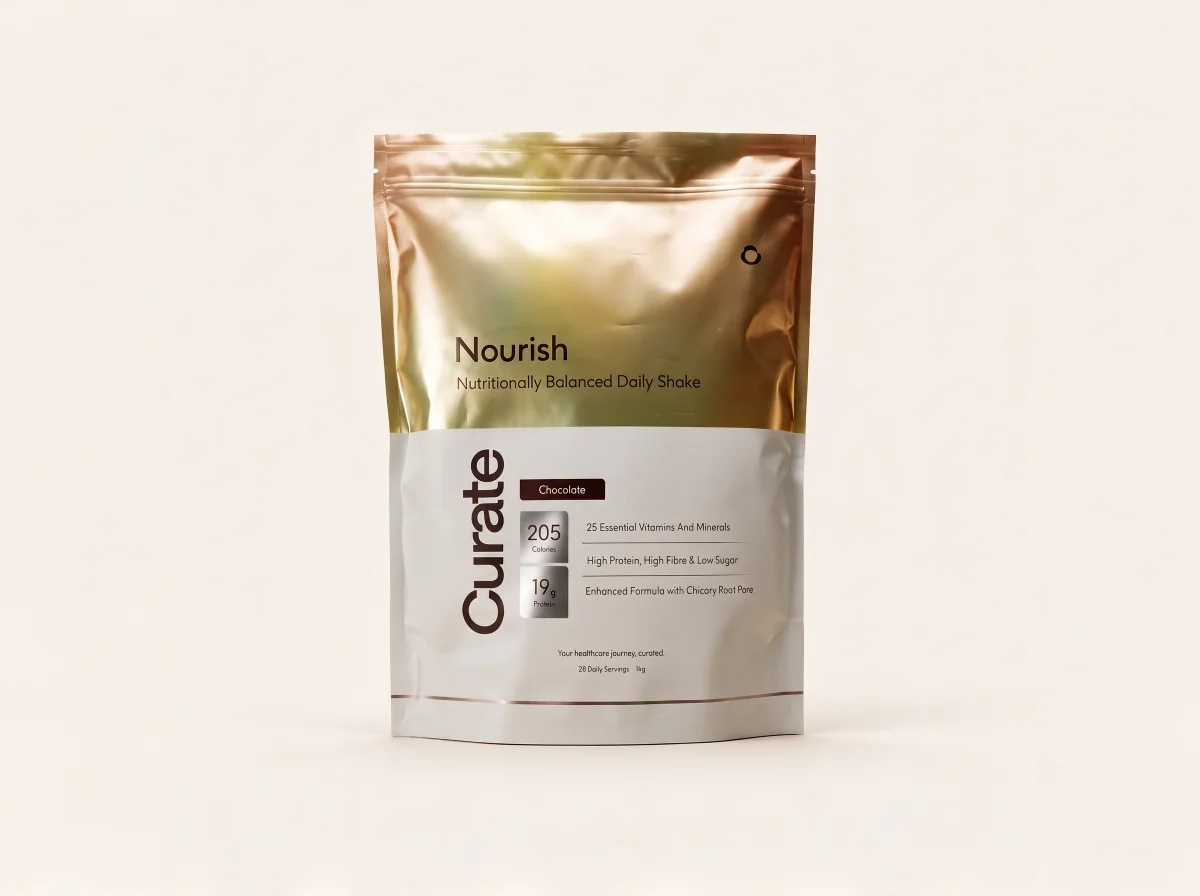
- Get enough protein to support skin quality and preserve muscle, which matters more when appetite is reduced
- Stay well hydrated, which helps overall skin appearance and can make the face look less drawn
- Include resistance activity to preserve muscle and the structural support that sits beneath the skin of the face and neck
- Protect skin from the sun, since long-term sun exposure reduces the elasticity that helps skin retract after fat loss
Does the pace of weight loss matter?
Pace is one of the few factors within your control. Very rapid weight loss gives skin and facial tissue little time to adjust, which can make hollowing and looseness more pronounced. A gradual, sustainable rate tends to look better and is easier to maintain, which is one reason crash dieting so often backfires. Our explainer on why crash diets fail covers the wider reasons a slower approach usually wins. Combining a steady calorie deficit with adequate protein, resistance activity and good hydration supports the whole body, the face included, rather than stripping volume faster than the skin can follow.
Does skin bounce back?
Skin has some ability to adapt, and appearance often improves as weight stabilises, though this varies with age, genetics, how much weight was lost and how quickly. Younger skin tends to adapt more readily. Steady loss gives the best chance for skin to keep up, and preserving muscle beneath the skin helps too, which is why preserving muscle during weight loss is worth prioritising.
When to seek advice
Loose skin after large weight loss is common and usually a cosmetic matter rather than a medical one. The NHS notes that excess skin after weight loss can sometimes be addressed once weight has been stable for a while. If it is significant or affecting your confidence, a clinician can talk through options. If skin changes come with other symptoms, mention those too.
Keeping perspective
Facial changes are a visible sign of a bigger change in your health, and for many people the loss of facial fat is a fair trade for the improvements in blood pressure, blood sugar, joint load and long-term risk that come with reaching a healthier weight. Managing the pace of weight loss and supporting your body with good nutrition and activity gives the best cosmetic outcome, alongside those wider benefits. The online nickname is memorable, but it points at the wrong culprit: the face changes because the body is changing, and that is usually the point.