



Here's what we'll cover
Mounjaro gallstones worries deserve a straight answer: gallstones are a recognised risk of rapid weight loss however it is achieved, not something unique to GLP-1 treatment, and gallbladder problems are listed in the product information for both Mounjaro and Wegovy. Most gallstones cause no trouble at all, but it is worth knowing the warning signs and how to reduce the risk.
What are gallstones?
The gallbladder is a small pouch under the liver that stores bile, the fluid that helps digest fat. Gallstones are hard deposits, usually of cholesterol, that can form inside it. They are common: the NHS estimates that more than one in ten adults in the UK has them, and most never know. Problems arise when a stone blocks a duct, which can cause intense pain and, less often, inflammation or infection that needs hospital treatment.
Does Mounjaro cause gallstones?
Mostly indirectly. The main driver is rapid weight loss itself, which changes the balance of cholesterol and bile salts in bile so that stones form more easily. Eating much less fat also means the gallbladder empties less often, so bile sits and concentrates. This is why gallstones are seen with crash diets and weight-loss surgery too; the risk tracks the pace of weight loss more than the method. Our explainer on why crash diets fail covers the other reasons extreme pace backfires.
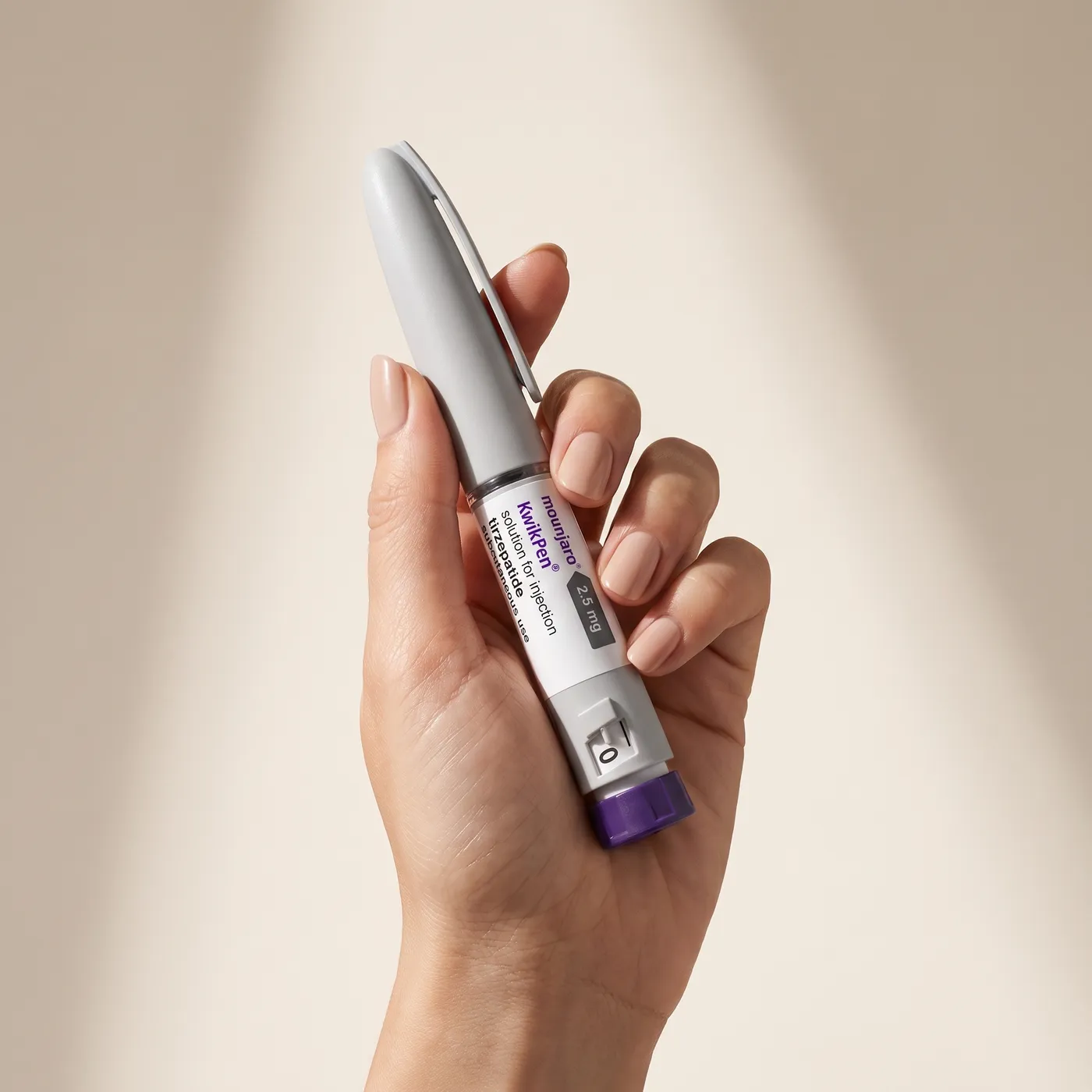
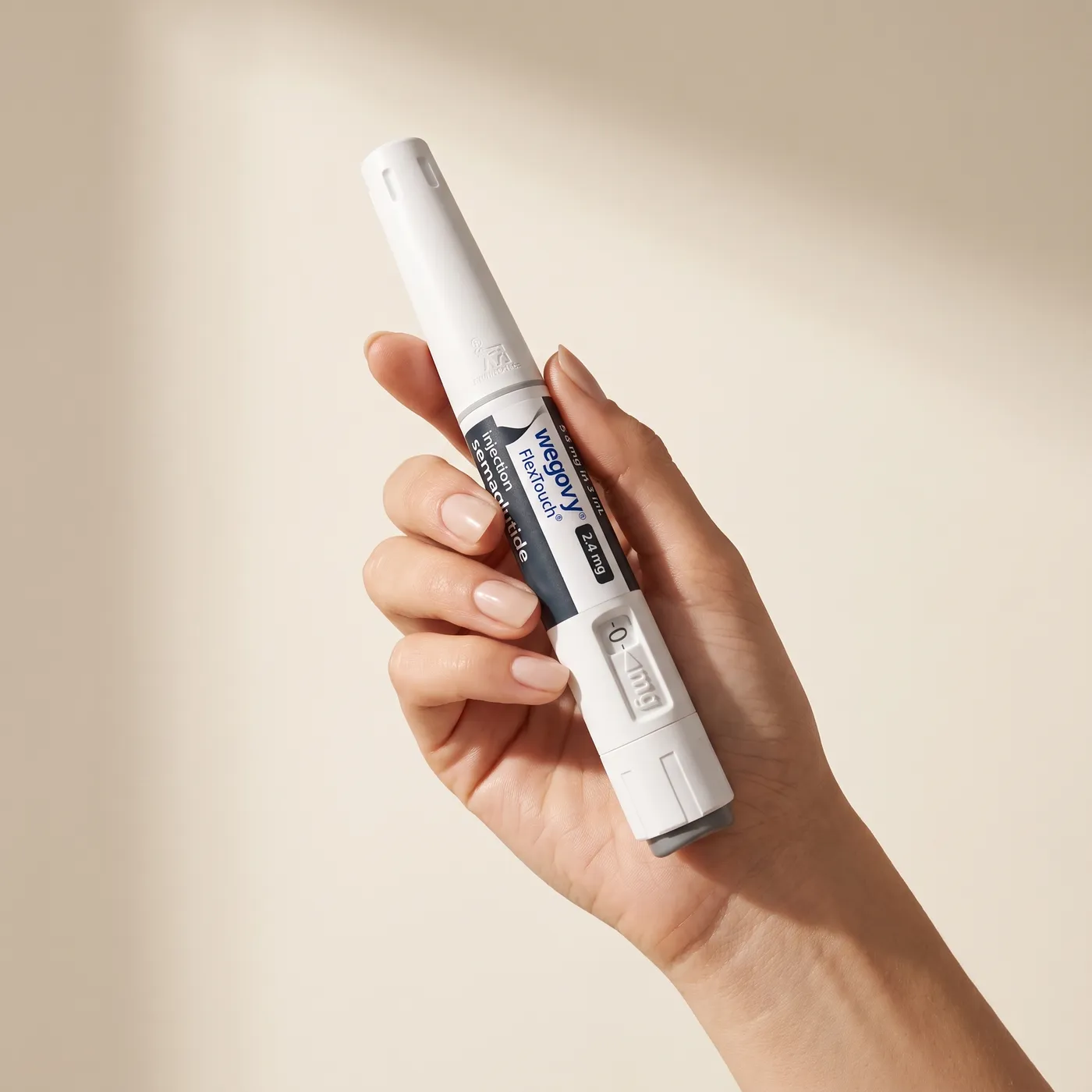
That said, the medicines are not entirely bystanders. Gallbladder-related events, including gallstones and gallbladder inflammation, are listed in the Wegovy product information and the Mounjaro product information, and were reported more often in people taking these medicines in trials than in those taking placebo, consistent with the faster weight loss they produce. In other words: the effect is real, modest, and largely a function of how quickly weight comes off.
Who is most at risk?
Gallstone risk is higher in women, in people over 40, during pregnancy, and in people carrying excess weight, which means many people starting weight-loss treatment begin with an elevated baseline risk before any weight comes off. Losing more than about 1.5 kg a week for a sustained period is the pace most strongly associated with new stones, which is another argument for the gradual dose escalation that GLP-1 treatment uses rather than a race to the lowest weight.
What do gallstone symptoms feel like?
Gallstone pain, sometimes called biliary colic, is typically felt in the upper right or upper middle abdomen. It can be severe, may spread to the back or right shoulder blade, often follows a fatty meal, and tends to last from minutes to a few hours before easing. Episodes often arrive at night, and between them you can feel completely well, which is part of why gallstones go unrecognised. It is a different sensation from the everyday queasiness of GLP-1 treatment; if you are unsure what counts as ordinary, our guide to Mounjaro side effects describes the usual pattern.
Fever, pain that will not settle, or jaundice, a yellow tinge to the skin or eyes, suggest a blocked duct or inflammation rather than simple biliary colic, and these need same-day consultation. Treatment for troublesome gallstones is well established: keyhole removal of the gallbladder is one of the most common operations in the UK, and people live entirely normally without one.
How are gallstones diagnosed and treated?
If your GP suspects gallstones, the usual first step is an ultrasound scan, sometimes with blood tests to check for inflammation or a blocked duct. Stones that are found incidentally and cause no symptoms are generally left alone. Recurrent painful episodes are usually treated by removing the gallbladder rather than the stones, because stones tend to come back. Developing gallstones does not automatically mean stopping weight-loss treatment; whether to pause is a clinical judgement your prescriber and the surgical team make together, based on your symptoms and timing.
How can you reduce the risk on Mounjaro?
You cannot eliminate the risk, but you can avoid stacking the deck:
- Aim for steady rather than extreme weight loss; the dose schedule is designed for this
- Do not skip meals entirely; regular eating keeps the gallbladder emptying
- Keep some healthy fats in your diet, such as olive oil, nuts and oily fish, for the same reason
- Stay active and keep fibre up, both associated with lower gallstone risk
These habits overlap almost completely with the advice for eating with a reduced appetite generally: small regular meals with protein and some fat serve your gallbladder and your nutrition at the same time. Your prescriber weighs gallstone risk as part of assessing and reviewing treatment, which is one reason Mounjaro is considered safe for most people when properly prescribed and monitored.
If you have had gallbladder problems before
Tell your prescriber about any history of gallstones or gallbladder disease at your initial consultation. It does not automatically rule out treatment; many people with past gallstone episodes take GLP-1 medicines without trouble, and if your gallbladder has already been removed the question largely falls away. But it is an important part of the clinical picture, and it may shape how closely you are monitored and how quickly your dose steps up.
The balance to hold in mind: gallstones are a manageable, quantifiable risk of losing weight quickly, while staying at a higher weight carries its own well-documented risks. For most people the answer is not to avoid weight loss but to do it at a sensible pace, with a prescriber who knows your history.