







Here's what we'll cover
Mounjaro vs Wegovy is the comparison most people researching weight loss injections in the UK end up making. Both are once-weekly injections that reduce appetite, but they contain different active ingredients, tirzepatide and semaglutide, which work in slightly different ways. Neither is simply better than the other; suitability depends on the person, and that is a clinical judgement made with your prescriber.
What is Mounjaro and what does it do?
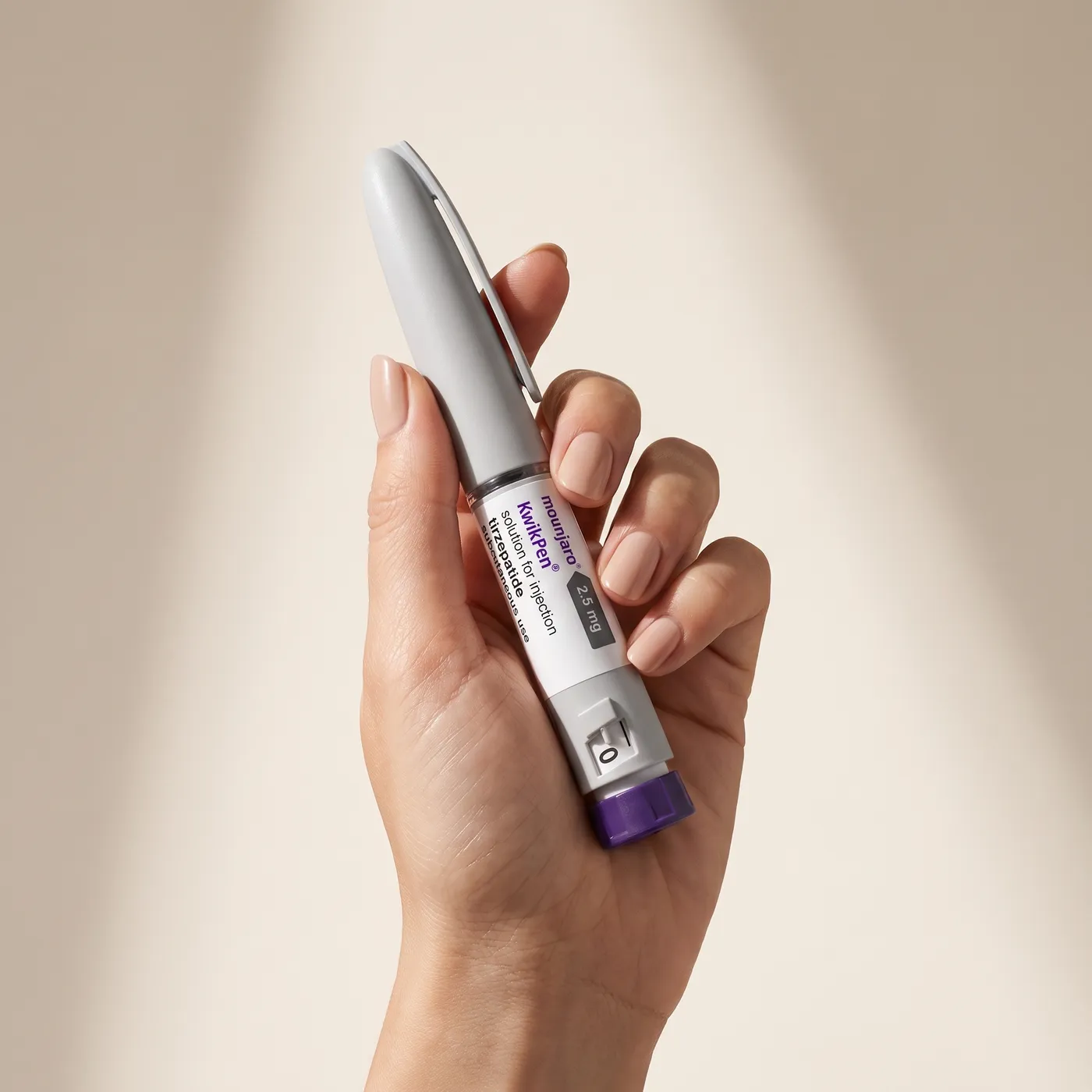
Mounjaro's active ingredient is tirzepatide. It mimics two gut hormones at once, GLP-1 and GIP, which is why it is described as a dual agonist. Acting on both receptors reduces appetite, slows stomach emptying and helps regulate blood sugar, so meals satisfy sooner and food occupies less mental space between them. Tirzepatide was developed first for type 2 diabetes and is licensed in the UK for weight management in adults who meet defined clinical criteria. It is injected once weekly, starting at 2.5 mg and stepping up gradually, as tolerability allows, towards a maintenance dose of up to 15 mg.
What is Wegovy?
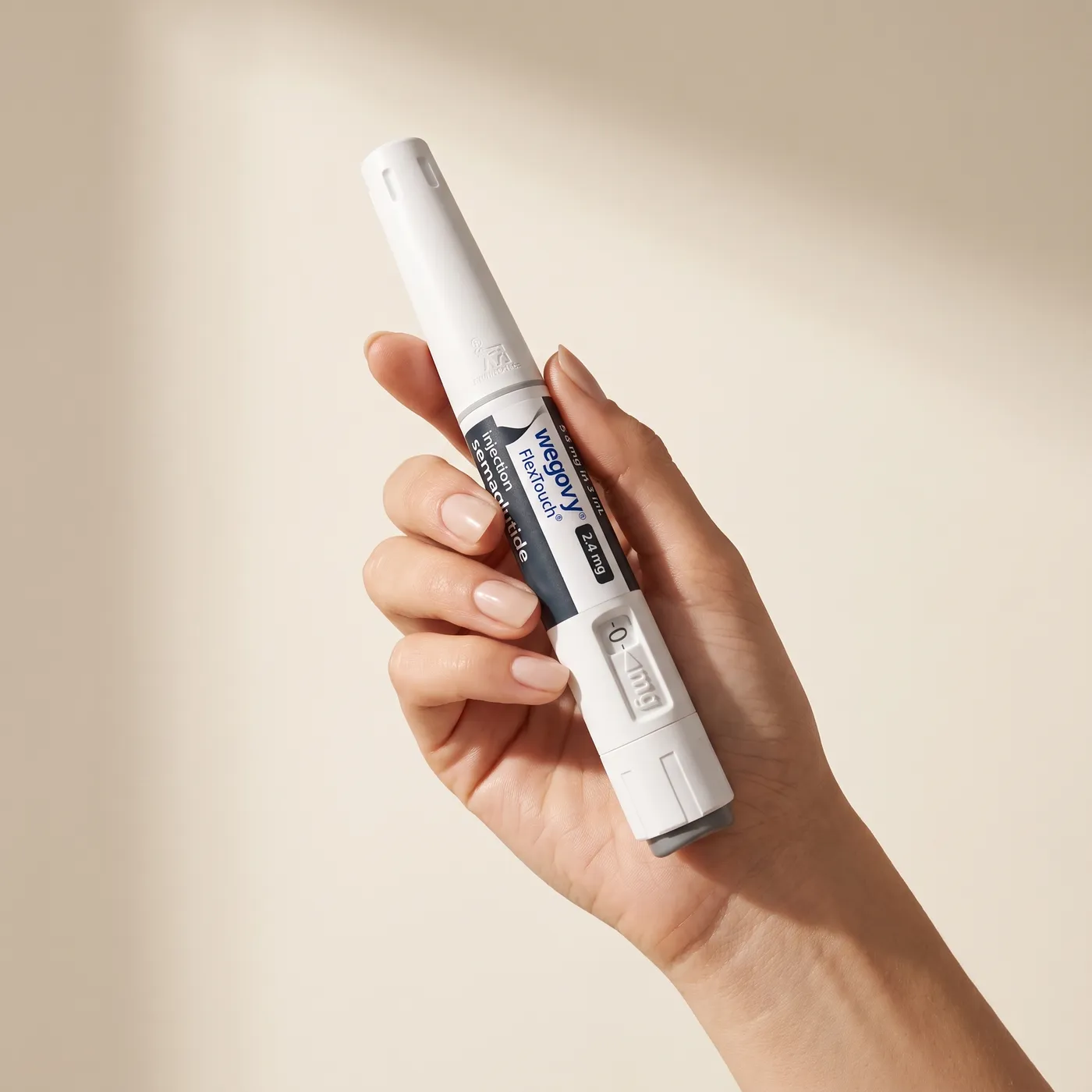
Semaglutide, Wegovy's active ingredient, mimics one gut hormone, GLP-1. The effects overlap with tirzepatide's: reduced hunger, earlier fullness and slower stomach emptying. Wegovy is also injected once weekly, starting at 0.25 mg and increasing over around 16 weeks to a maintenance dose of 2.4 mg. The two medicines belong to the same broad family but are not interchangeable, and their doses cannot be compared number for number; a milligram of one is not equivalent to a milligram of the other, which is one reason any move between them is a prescriber-managed process rather than a swap you can make yourself.
What the evidence measured
Both have been studied in large randomised trials. In the STEP 1 trial, adults taking 2.4 mg semaglutide lost an average of around 15% of their body weight over 68 weeks, compared with about 2.4% on placebo. In the SURMOUNT-1 trial, average losses reached around 21% of body weight at the highest tirzepatide dose over 72 weeks. Those figures come from different populations and study designs, so they are not a head-to-head verdict, and an average result from a trial is not a promise for any individual. Your prescriber can talk through what the evidence means for you specifically.
How they are taken
Both are once-weekly injections given under the skin of the stomach, thigh or upper arm, and both are stored in the fridge before first use. Both start at a low dose and step up over time, to help the body adjust and to limit early side effects. Mounjaro moves through six dose levels and Wegovy through five; the specific schedule, and whether you settle at a middle or top dose, is set by your prescriber based on how you respond to and tolerate treatment. In practice the weekly routine feels much the same on either medicine: same injection day each week, rotated injection sites, and a review whenever the dose changes.
Side effects
The side-effect profiles are broadly similar: gastrointestinal effects such as nausea, constipation and diarrhoea are the most common, especially in the early weeks and around dose increases, and they usually settle as the body adjusts. Eating smaller, plainer meals and stepping the dose up slowly both help. Neither medicine is suitable during pregnancy or while trying to conceive, and some medical histories rule one or both out, which is part of what the initial consultation checks. The detail differs between the two medicines, and each has its own UK product information on the electronic medicines compendium. We cover the specifics in our separate guides to Mounjaro side effects and Wegovy side effects, including the rarer effects that deserve prompt advice.
A new option: Wegovy as a daily tablet
Since this article was first published, the comparison has gained a third option. The UK regulator has approved an oral form of semaglutide for weight management, meaning Wegovy's active ingredient is now available as a once-daily tablet as well as a weekly injection. Mounjaro remains injection-only. For people whose main hesitation about either treatment was the needle, that changes the decision: the choice is no longer only between two pens, but between molecules and formats together.
The tablet is not a casual alternative: it must be taken on an empty stomach with a small sip of water, followed by a 30-minute wait before food, drink or other medicines, every day. Trial results for the oral weight-management dose sit in the same broad territory as the semaglutide injection. The same eligibility criteria and clinical consultation apply. We compare the formats fully in our guide to the Wegovy pill versus Mounjaro, and cover the tablet itself in our complete guide to the Wegovy pill.
So which one?
That is the question this article deliberately will not answer for you, because it cannot be answered in general. The right choice depends on your health history, other medicines, how you respond and tolerate treatment, and clinical suitability. A UK prescriber weighs those up with you and decides what is appropriate.
Eligibility comes first in either case. UK criteria are based on body mass index alongside weight-related health conditions, which we explain in our guide to weight loss injection eligibility; you can check where you stand with our BMI calculator. The NHS also sets out the treatment options available through its own services. Whichever medicine is prescribed, in the Mounjaro vs Wegovy decision the constants matter more than the differences: treatment works best alongside changes to eating and activity, with regular reviews to check it is helping and remains appropriate.