









Here's what we'll cover
Wegovy side effects are mostly digestive: nausea, diarrhoea, constipation and vomiting are the most commonly reported, and for most people they are mild to moderate, appear in the early weeks or after a dose increase, then settle as the body adjusts. A small number are serious and need prompt medical care.
This guide explains why Wegovy side effects happen, which are common, which are serious, when they start and how long they last, plus the practical steps that make treatment easier to live with. It draws on the UK product information and published clinical trial evidence.
What is Wegovy and what does it do?
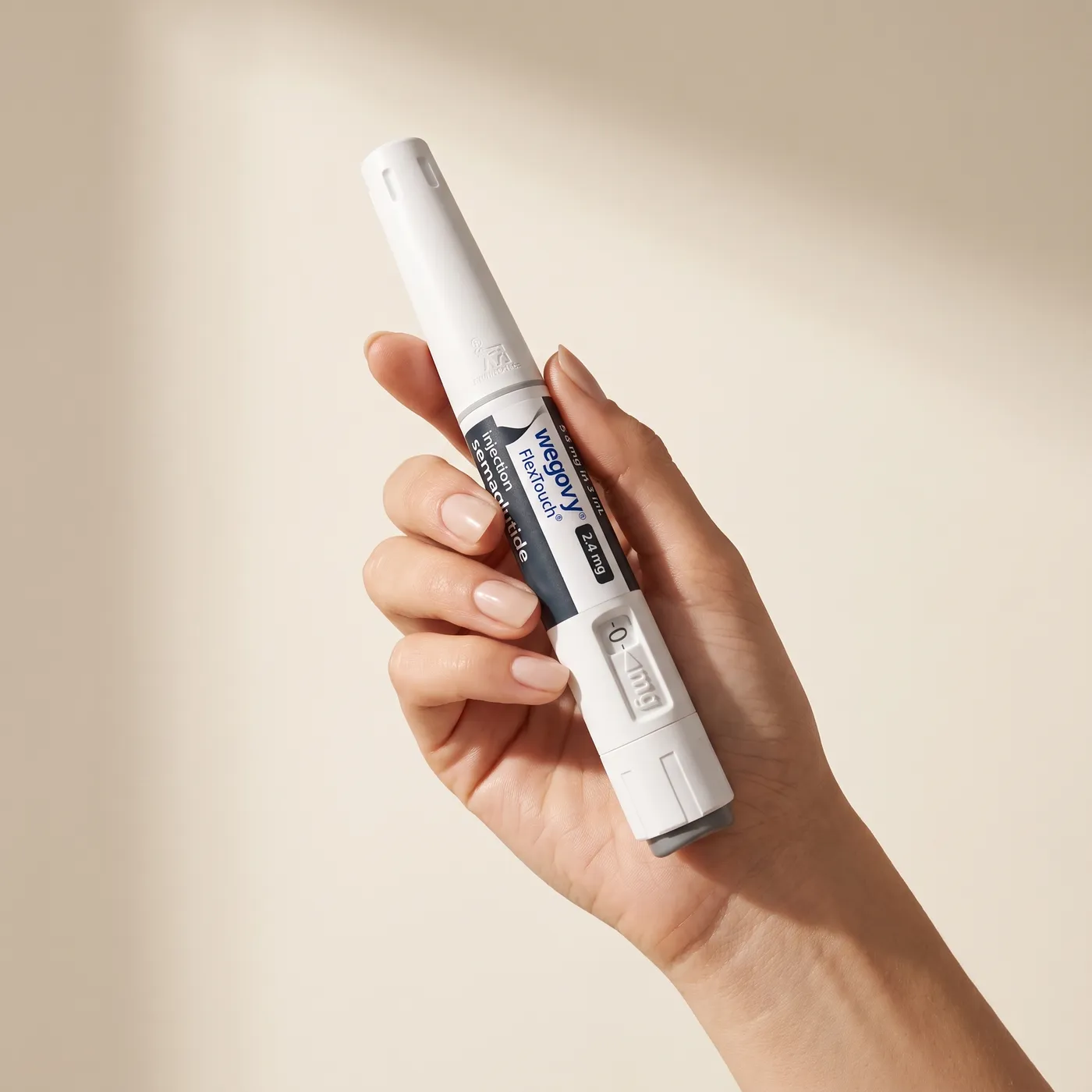
Wegovy is the brand name for semaglutide licensed in the UK for weight management alongside diet and physical activity. It is a GLP-1 receptor agonist: it mimics a natural gut hormone involved in appetite regulation, so you feel full sooner and stay satisfied for longer. Our guide to how semaglutide works covers the mechanism in more detail.
Semaglutide, the active ingredient in Wegovy, slows stomach emptying and acts on appetite. Most side effects come from that same action, which is why they are most noticeable early and after each dose increase, then generally settle.
Common side effects
The Wegovy product information lists the most frequent effects, several of which affect more than one in ten people, as including:
- Nausea, particularly in the early weeks
- Diarrhoea or constipation
- Vomiting
- Indigestion, reflux or burping
- Headache and tiredness
- Reduced appetite (expected)
For most people these are temporary and manageable, easing as the body adapts to each dose.
Less commonly, people report dizziness, altered taste, injection-site reactions and gallstones. Some people also notice temporary hair shedding, which is usually linked to rapid weight loss itself rather than the medicine; our article on hair shedding and rapid weight loss explains why this settles.
Clinical trials paint a similar picture. In the STEP 1 trial of once-weekly semaglutide 2.4 mg, around 44% of participants reported nausea at some point over 68 weeks, compared with about 17% on placebo. Most gastrointestinal symptoms were mild to moderate and short-lived, and fewer than one in twenty people stopped treatment because of them.
When do Wegovy side effects start?
Side effects can begin within the first few days, but they most often build over the first couple of weeks and around each dose increase. Wegovy starts at 0.25 mg once weekly and steps up roughly every four weeks towards the 2.4 mg maintenance dose, and each step can briefly bring symptoms back. That staged escalation exists precisely to limit side effects; our article on why GLP-1 doses step up explains the logic.
Do the side effects of Wegovy go away? For most people, yes. Nausea and other digestive symptoms typically ease within days to a few weeks at any given dose. If they are not settling, your prescriber can hold your current dose for longer or slow the schedule rather than pushing on.
Once you reach a stable maintenance dose, new side effects become much less likely. Some people notice constipation or reflux persisting at a low level; both usually respond to dietary adjustments, and neither should simply be put up with, since your clinical team can help.
Managing the everyday effects
- Eat smaller portions and stop when comfortably full
- Choose plainer, lower-fat foods when queasy
- Sip fluids steadily to stay hydrated
- Eat slowly and unhurried
- Build fibre and fluids gradually if constipated
If nausea is the main problem, our guide to managing nausea on GLP-1 treatment has a fuller set of strategies, and the NHS page on semaglutide includes self-care advice for the common symptoms.
What are the worst side effects of Wegovy?
Seek prompt medical advice for severe or persistent abdominal pain (a possible sign of pancreatitis), symptoms suggesting gallbladder problems, dehydration from ongoing vomiting or diarrhoea, or low blood-sugar symptoms if you also take diabetes medicines. A severe allergic reaction is a medical emergency.
Gallbladder problems deserve a specific mention because losing weight quickly can itself raise the risk of gallstones; see our article on gallstones and rapid weight loss for the warning signs. If you take insulin or a sulfonylurea for diabetes, adding semaglutide can increase the chance of low blood sugar, so those medicines may need adjusting.
The MHRA has also issued safety advice on GLP-1 medicines reminding patients to tell healthcare staff they are taking one before any procedure under general anaesthesia or deep sedation, because slowed stomach emptying can pose a risk. You can report any suspected side effect through the MHRA Yellow Card scheme.
How do Wegovy side effects compare with Mounjaro?
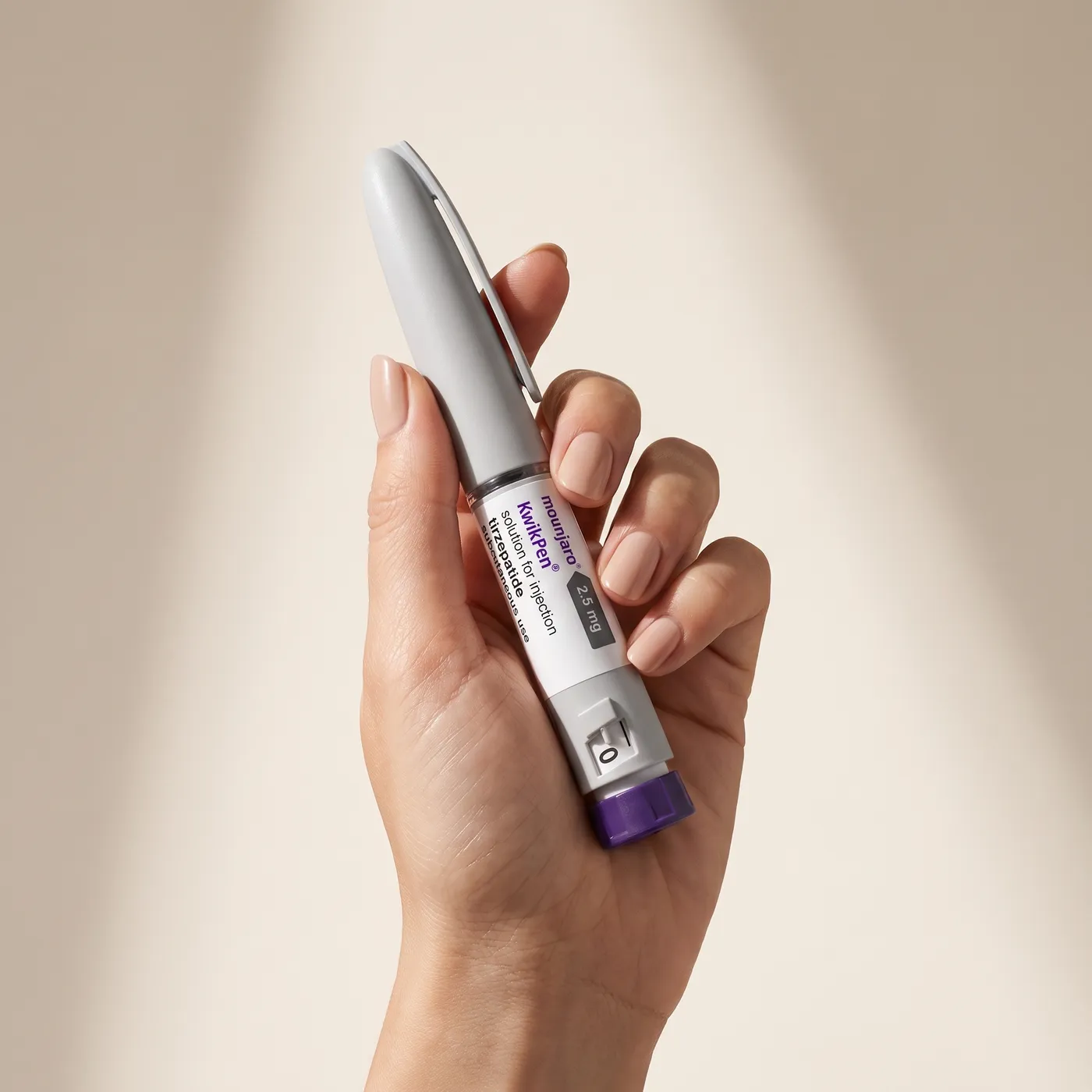
Wegovy and Mounjaro (tirzepatide) both most commonly cause digestive side effects, and both use gradual dose escalation to keep them manageable. The detailed profiles differ because the two medicines act on different hormone receptors: semaglutide targets GLP-1 alone, while tirzepatide works on GLP-1 and GIP together. Individual experience varies widely, and tolerating one medicine poorly does not mean the other will be the same. Our guide to Mounjaro side effects covers what to expect on tirzepatide.
You are not on your own with this
Our clinical team reviews how treatment is going and can adjust the plan if side effects are hard to manage. Reporting symptoms is expected and encouraged; the aim is treatment you can actually tolerate and sustain.
Most people find Wegovy side effects a manageable early hurdle rather than a lasting problem, and simple adjustments to meals, fluids and dose pacing deal with the majority of symptoms. Knowing the red flags means you can act quickly on the rare occasions that matter.