






Here's what we'll cover
The question almost everyone asks about the Wegovy pill is the obvious one: does a daily tablet work as well as the weekly injection? It is a fair question, because there would be little point choosing a more convenient form if it meant giving up most of the benefit. The answer has two parts: what the clinical evidence shows, and what tends to happen in real life. Both matter.
Same medicine, different route
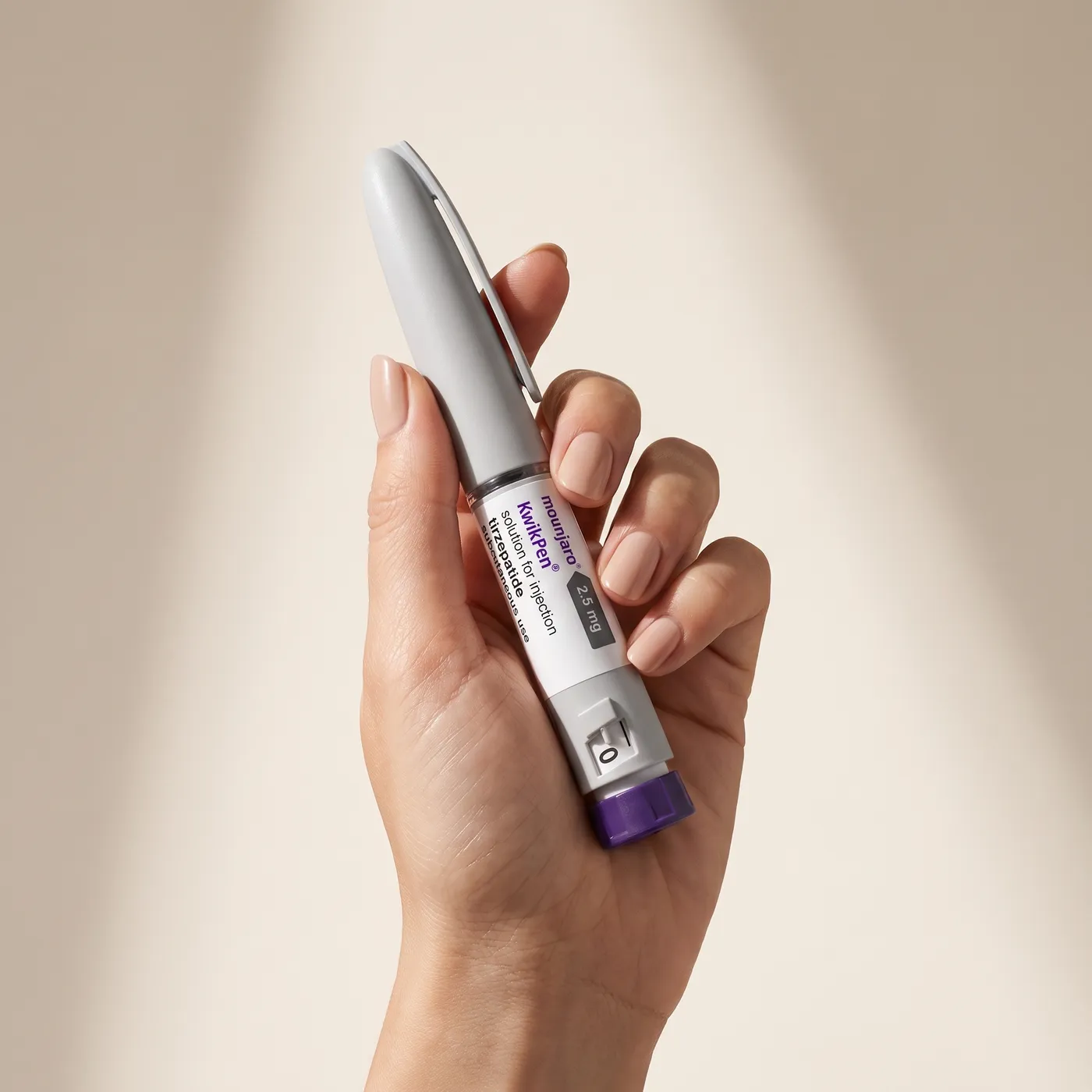
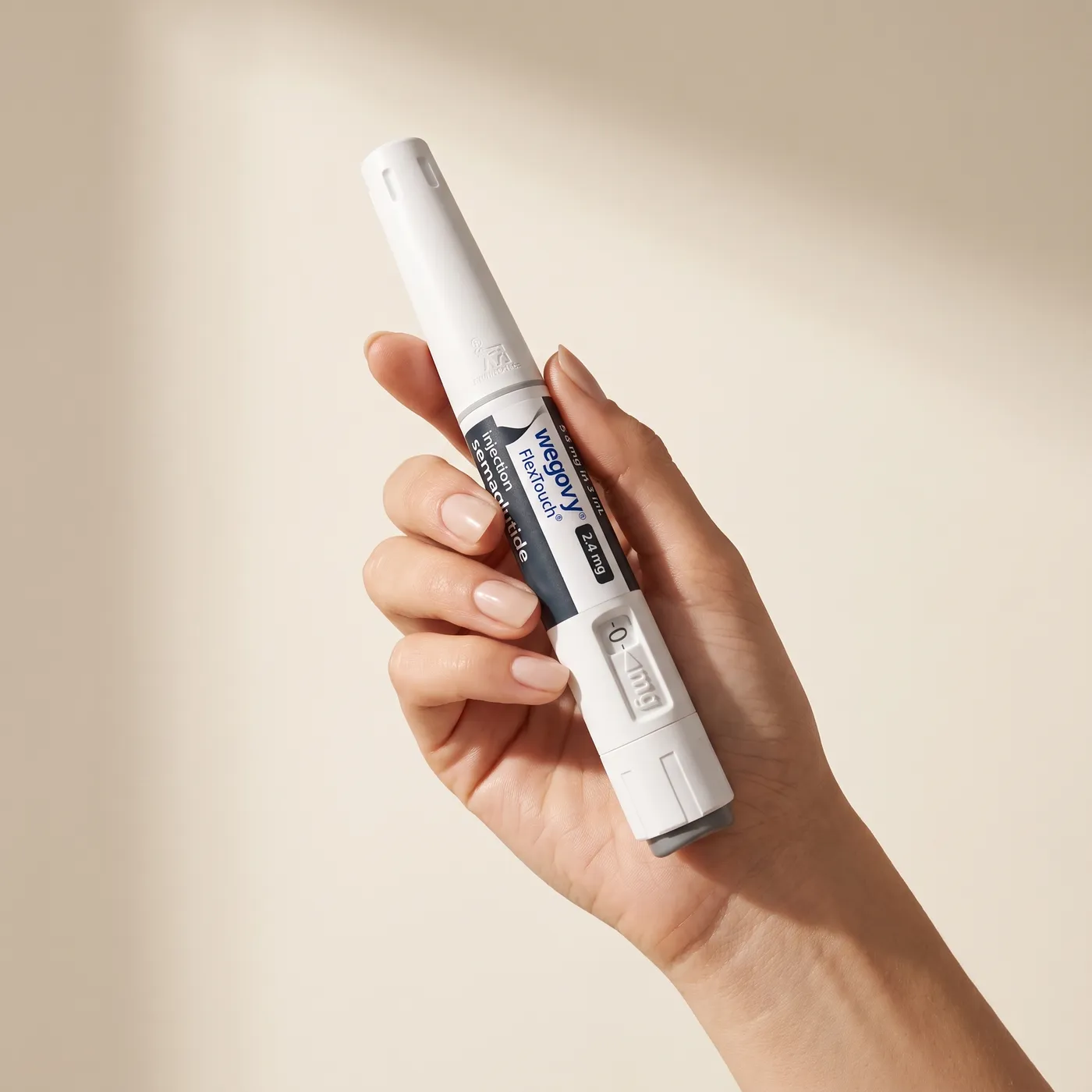
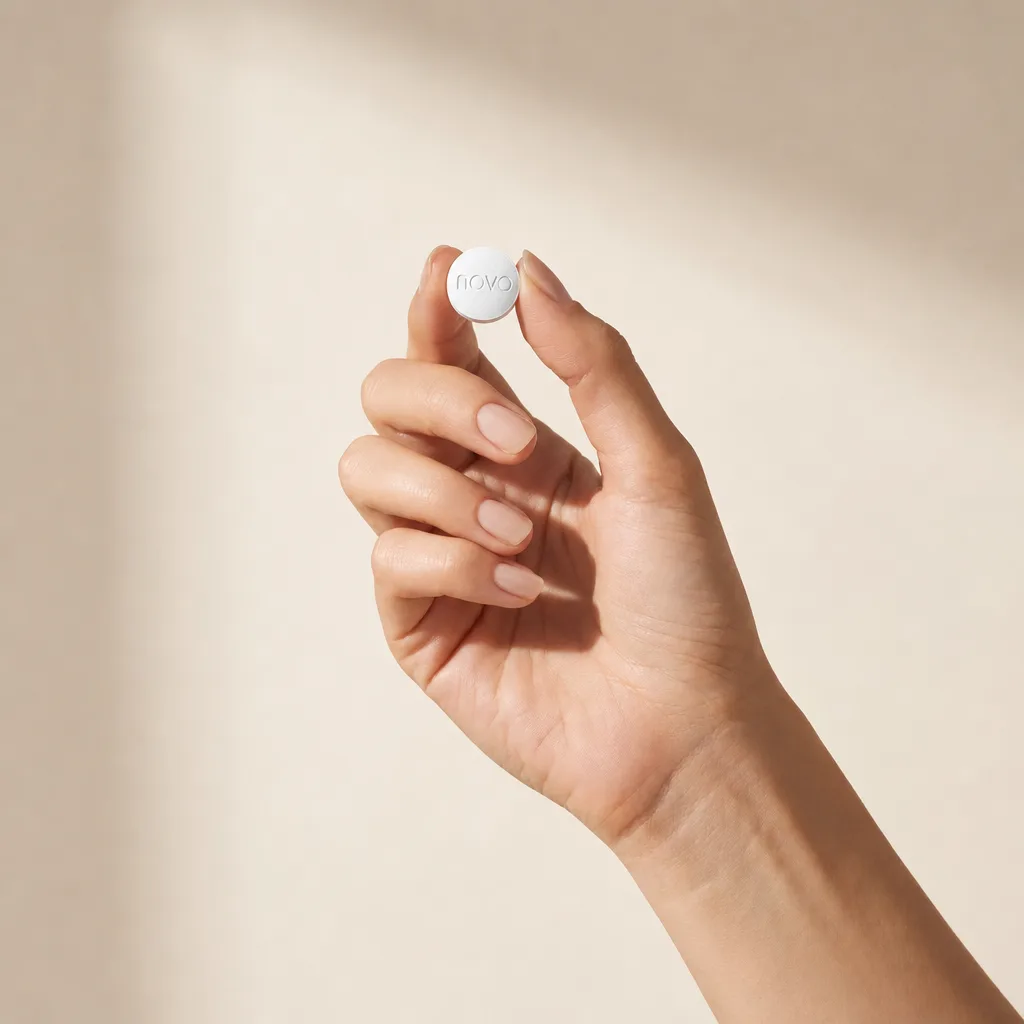
Both forms deliver semaglutide, a GLP-1 receptor agonist that reduces appetite and slows stomach emptying. The injection places the medicine under the skin, where it is absorbed steadily and predictably over the week. The tablet takes a harder road: semaglutide is a peptide, which the stomach would normally digest, so the oral version pairs it with an absorption enhancer and still only a small fraction reaches the bloodstream. That is why the tablet doses look much larger than the injection doses on paper, and why the two are not interchangeable milligram for milligram.
What the trials show
In clinical trials of oral semaglutide at weight-management doses, participants lost a substantial amount of weight over roughly 15 months, in the same broad territory as results seen with the weekly injection, and considerably more than with placebo. Trial populations, doses and durations differ between studies, so precise head-to-head claims should be treated cautiously, but the fair summary is that at an appropriate dose, taken correctly, the oral form produces clinically meaningful weight loss comparable to the injection for many people. Regulators reviewed this evidence when approving the tablet for weight management.
Where the pill can fall short in practice
Trial results assume the medicine is taken as directed, and this is where the routes genuinely differ. The tablet must be taken daily on an empty stomach with only a small sip of water, followed by a waiting period before eating, drinking or taking other medicines. For someone with a settled morning routine that is easy; for shift workers or erratic schedules it is a daily opportunity to get less from the medicine without realising. The injection asks for one correct decision a week. Missed or mistimed tablets are the most likely reason a person's real-world results with the pill lag what the trials suggest.
Effectiveness is also about staying on treatment
The other side of the coin favours the tablet. Some people never start injectable treatment because of needle anxiety, and others stop early for the same reason. For them, a tablet they will actually take consistently is more effective in practice than an injection they avoid, whatever the trial data says. Side-effect profiles are broadly similar between the forms, dominated by digestive symptoms like nausea that usually ease over time, so tolerability rarely separates them decisively. Adherence, preference and routine usually do.
So which should you choose?
If you are comfortable with a weekly injection, it remains a well-established option with forgiving practicalities. If injections are the barrier keeping you from treatment, the pill is a credible alternative whose evidence supports meaningful weight loss, provided you can commit to the daily timing rules. Neither is universally better; the honest answer is that the most effective treatment is the one that suits your life well enough to take properly, at the right dose, for long enough to matter. That judgement is exactly what a clinical consultation is for, and it should also weigh your medical history, other medicines and eligibility.
Whichever form is chosen, the medicine works best alongside changes to eating and activity, and results vary from person to person. For the wider picture of how the tablet works and what taking it involves, see our complete guide to the Wegovy pill and our practical guide on how to take it.
Reading the evidence like a clinician
It helps to understand why precise pill-versus-injection numbers are hard to state responsibly. The headline trials for each form were run separately, in different populations, over different durations, with different comparators, so lining their results up side by side is not a fair head-to-head, and small differences between quoted percentages mean less than they appear to. What can be said with confidence is directional: both forms, at their weight-management doses, produced weight loss that is large by the standards of anything that came before this class of medicine, and far beyond placebo. Direct comparative studies will sharpen the picture over time. Until then, treat any source quoting a single decisive number for which form wins with scepticism; the honest evidence base does not currently support that level of precision.
Questions worth asking at your consultation
If you are weighing the two forms, a few questions make the conversation concrete. Ask how your other morning medicines would fit around the tablet's empty-stomach window, because sequencing problems are better discovered before starting than after. Ask what the realistic dose escalation timeline looks like for each form, and what happens if a dose step proves hard to tolerate. Ask how switching between forms would work if your first choice turns out not to suit you, since that door is not closed. And ask what the plan is for reviews: how progress will be measured, over what period, and what would prompt a change of approach. A prescriber's answers to those questions will tell you more about your likely experience than any trial summary can.
The conclusion stands regardless of form: semaglutide is an effective medicine for weight management when it is dosed properly, taken correctly and paired with sustainable changes to eating and activity. The pill's arrival does not change what the medicine can do; it changes who can realistically access and stick with it. For people held back by needles, that is not a footnote, it is the whole point.