





Here's what we'll cover
Meal replacement shakes and protein shakes can be a practical way to get nutrition in when whole food feels like too much, particularly on a reduced appetite. They are a useful tool rather than a diet in themselves: the key is using them to support a varied diet, not to replace it. Choose products with enough protein and little added sugar, and keep most meals as real food.
This is especially relevant if you are on weight-loss treatment, where appetite often drops sharply. A shake can protect your protein intake on days when a plate of food is unappealing, but leaning on drinks for most meals brings its own problems. Here is where they fit and how to choose sensibly.
What are meal replacement shakes?
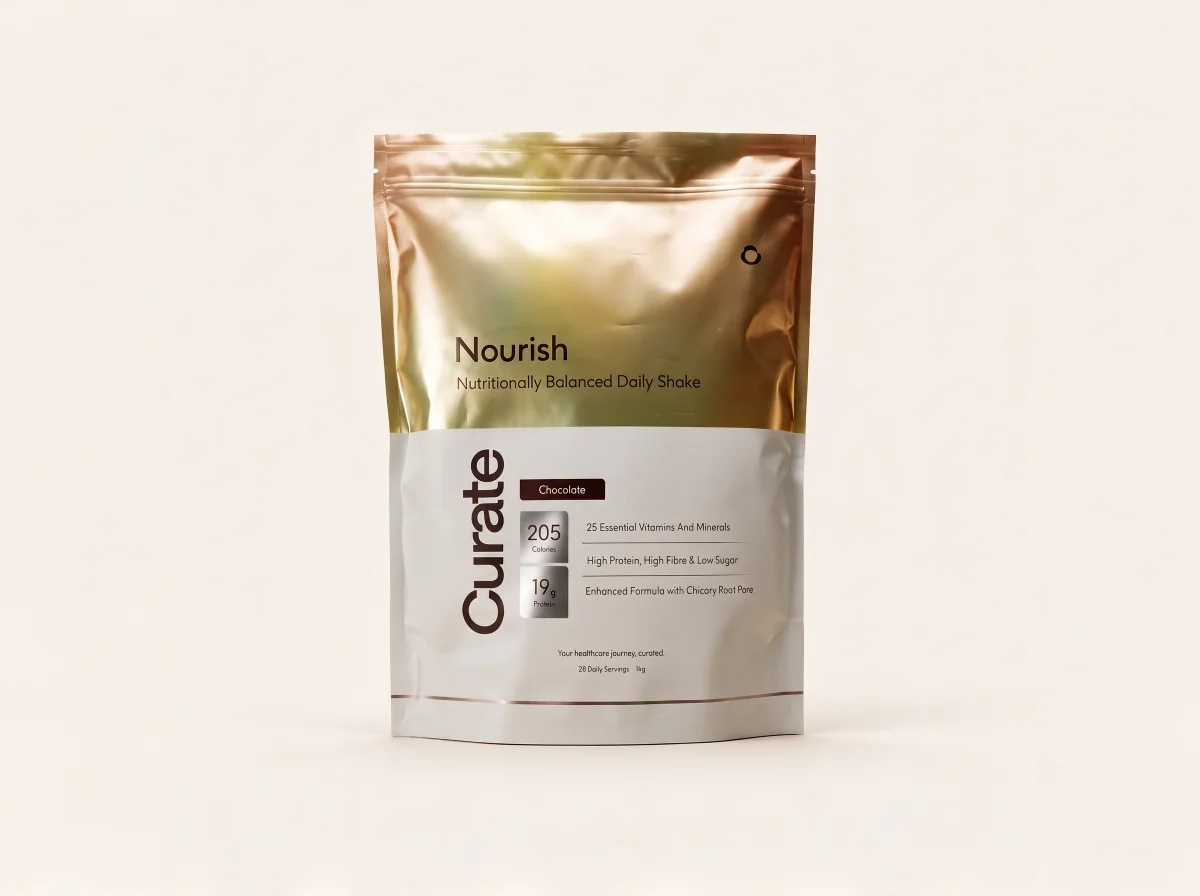
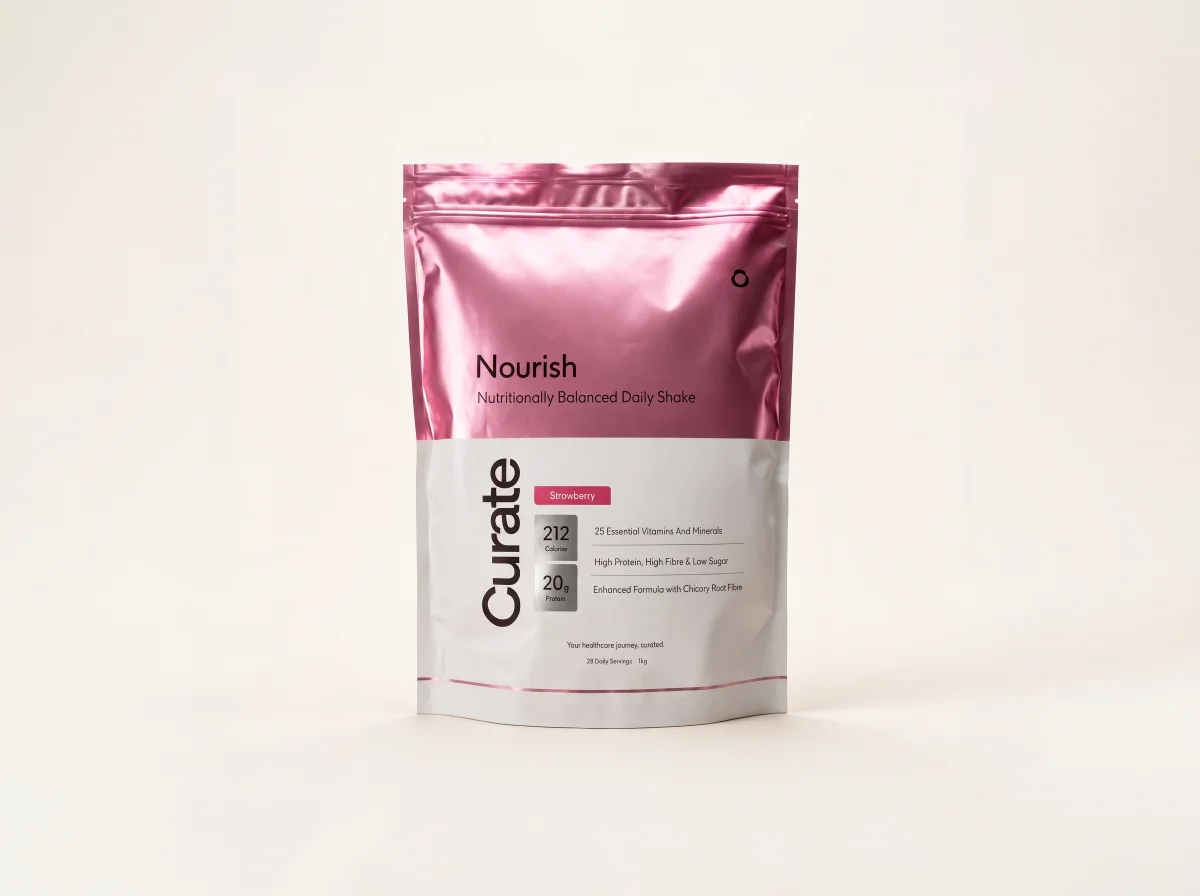
There is a difference worth knowing. A protein shake is designed mainly to deliver protein and little else, so it tops up one nutrient rather than standing in for a meal. A meal replacement shake aims to provide a more complete balance of protein, carbohydrate, fat, vitamins and minerals in place of a full meal. Products sold specifically as meal replacements in the UK are subject to compositional rules, whereas a general protein powder is not, so read the packaging carefully to see which you are actually buying.
Do meal replacement shakes work for weight loss?
Used properly, meal replacement shakes can help with weight management by making portion control simpler: a measured drink takes the guesswork out of a meal, which some people find easier than judging food. The NHS notes that meal replacements can be part of a structured plan, but stresses they work only alongside broader changes to eating habits, and that very low calorie approaches should be used with medical support. The weight tends to return if the shakes simply pause normal eating rather than helping you rebuild it.
The downsides are worth being honest about too. Because a drink is quick to consume, it does less to satisfy hunger than the same nutrients eaten as food, so some people feel less full afterwards. Sweetened shakes can also keep a taste for very sweet flavours going, and using them in place of cooking can stall the skills and routines that keep weight steady later. None of this makes them a poor choice, but it does mean they are best used deliberately, for a clear reason, rather than by default at every meal.
Where they genuinely help
When your appetite is low, especially early in treatment or around a dose increase, a nutritious drink can be far easier to manage than a plate of food. A good protein shake can help you hit your protein target on a day when chewing a full meal is unappealing, and a balanced meal replacement can cover a meal you would otherwise skip. Protecting protein matters here, because it supports preserving muscle during weight loss, and our guide to protein targets on GLP-1 treatment sets out how much to aim for.
Where whole food wins
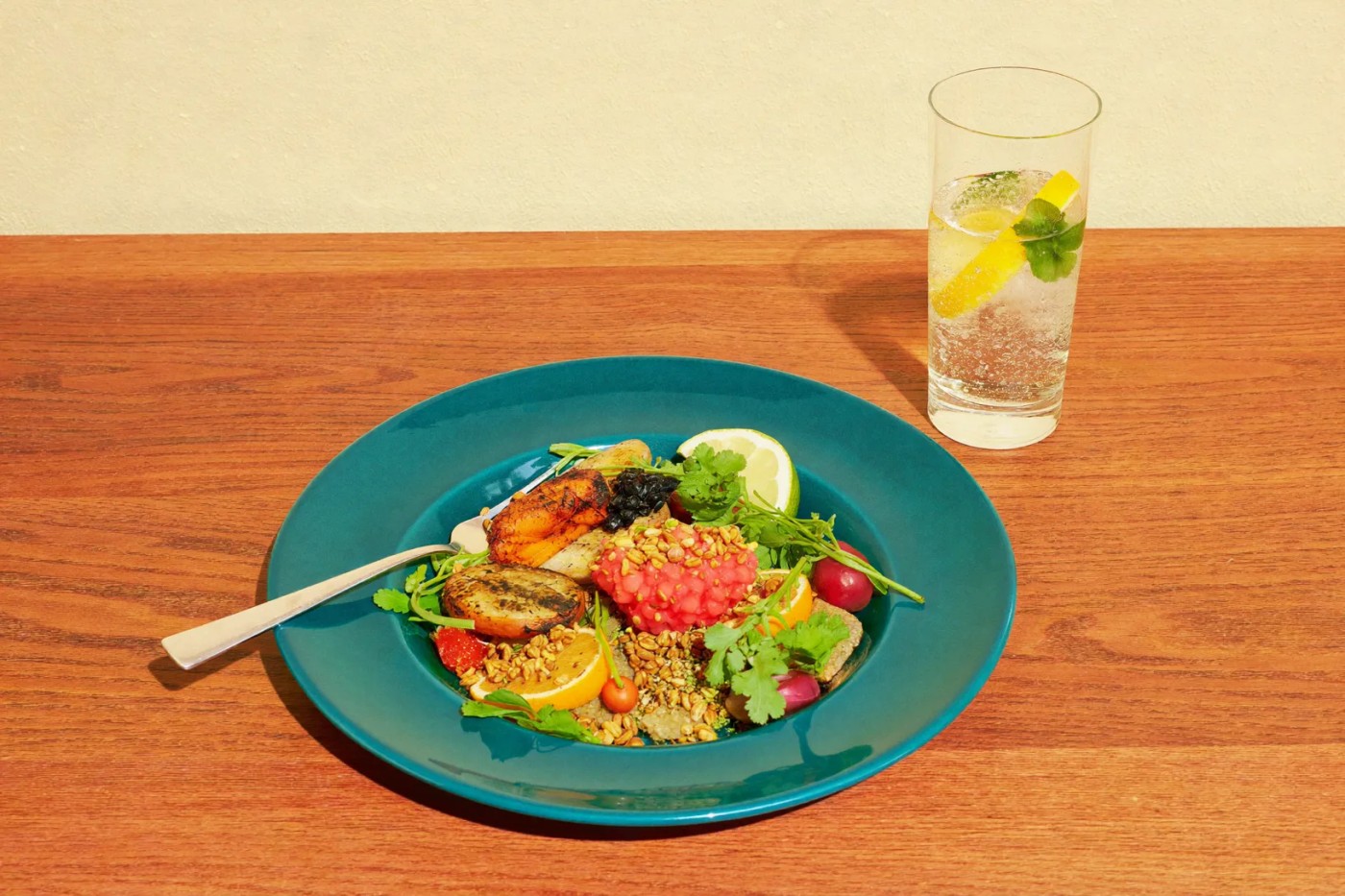
Whole foods bring fibre, a range of micronutrients, and the simple satisfaction of eating that drinks do not fully replace. Relying on shakes for most of your intake risks missing out on that variety, and can make it harder to build the everyday eating habits that sustain weight in the long run. Fibre in particular is easy to fall short on, which matters for fibre and digestive health, and structured meal planning on treatment helps you keep variety in the diet even when portions are small.
Reading the label
Not all products are equal. Some drinks marketed for energy or recovery are high in sugar and low in protein. When choosing, look for:
- A meaningful amount of protein per serving, ideally around 20g or more.
- Lower added sugar, checking the per-serving figure rather than the front-of-pack claim.
- For meal replacements, a balanced range of nutrients, not just protein.
- Ingredients you are happy with, and a form that suits any dietary needs.
If you are choosing a standalone protein shake rather than a full meal replacement, the same principles as choosing a protein powder apply: compare protein per 100g, keep the ingredient list short, and do not pay a premium for extras you do not need. The British Nutrition Foundation's overview of protein is a helpful, independent reference on how much you need and which foods provide it.
Fitting them in
Use a shake to bridge a low-appetite day, top up protein after activity, or replace an occasional meal you would otherwise miss. Keep most meals as real food where you can, and treat drinks as the reliable backup rather than the main event. On treatment, pairing a shake with a small amount of whole food, such as fruit or a handful of nuts, often works better than a drink alone, and our guide to eating with a reduced appetite has more practical ideas. A simple pattern that works for many people is to keep one shake a day as a dependable option for the meal they find hardest, then aim for whole food the rest of the time, adjusting as appetite recovers between doses.
If in doubt
If you find yourself leaning on shakes for most meals, or you are unsure whether you are getting enough overall, a dietitian or your clinician can help you rebalance. This is particularly worth doing if you are losing weight quickly, so that the diet stays adequate in protein, fibre and micronutrients rather than just low in calories.