






Here's what we'll cover
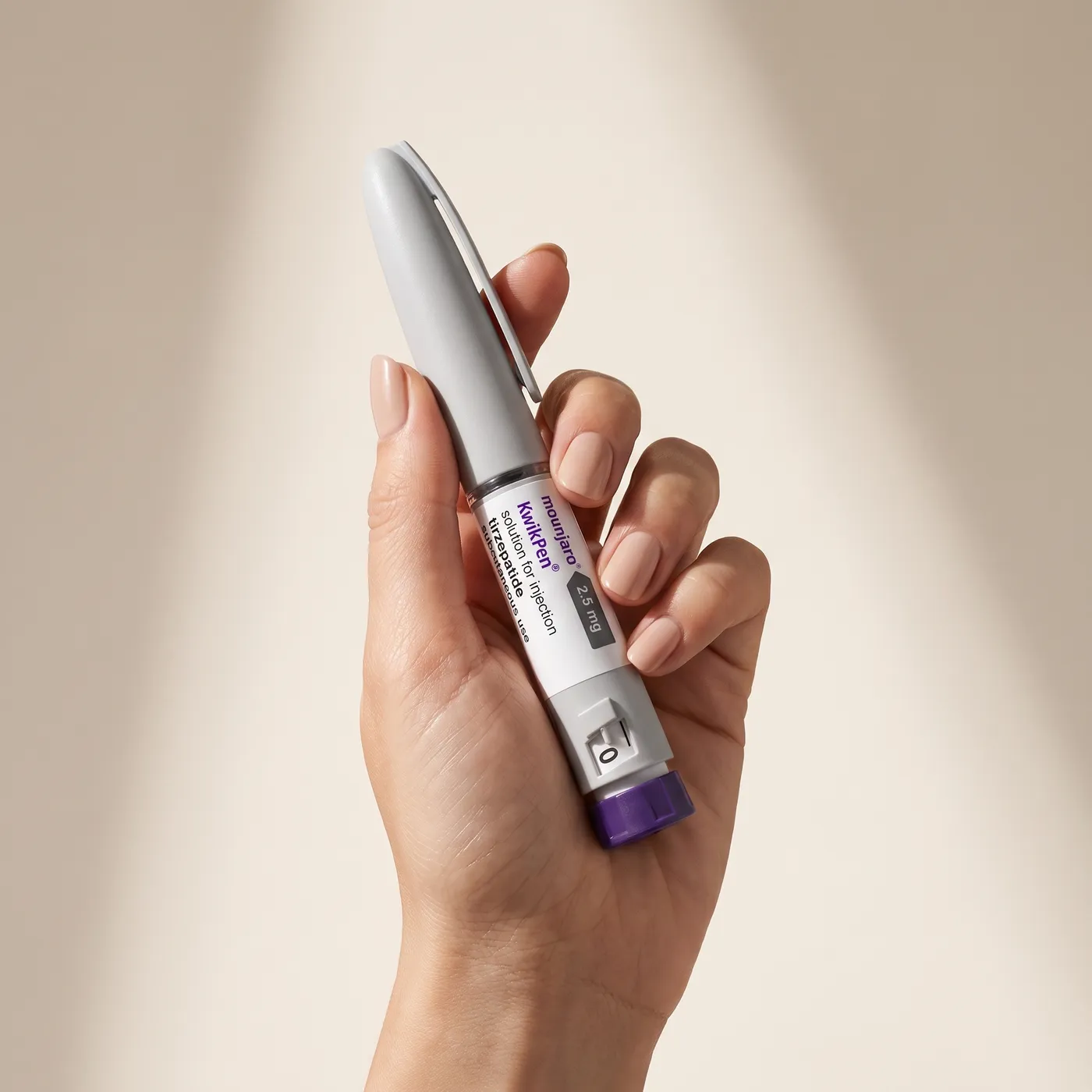
Can you get Mounjaro on the NHS? Yes, in principle: NICE has recommended tirzepatide for weight management and NHS England is rolling access out in phases, starting with the people in greatest clinical need. Whether you can get it now depends on your BMI, your weight-related conditions and your local area. Here is how the pathway actually works, and the regulated private alternative if the current phase rules you out.
What NICE approved, and what that means
NICE, the body that decides what the NHS routinely funds, has recommended tirzepatide for weight management in adults, and NHS England has been rolling access out in phases from mid-2025. The phasing is the part most coverage skips: because demand vastly exceeds what services can absorb at once, the NHS starts with the people who stand to gain most clinically, broadly those with the highest BMI bands and multiple weight-related health conditions such as type 2 diabetes, high blood pressure, cardiovascular disease or obstructive sleep apnoea, and widens eligibility in stages over several years. The rationale is capacity rather than meanness: every prescription is supposed to come with monitoring and structured support, and those services take time to scale. If you sit in the first groups, NHS treatment is a realistic near-term prospect. If you meet the licence criteria but not the early-phase criteria, the honest description of your NHS position is: eligible eventually, not yet.
The full criteria are set out in NICE's guidance on tirzepatide, and NHS England's page on weight management injections explains the phased rollout in plain terms.
How to get Mounjaro on the NHS
The route starts at your GP practice, and what happens next depends on local commissioning. In the early rollout, much prescribing has run through GP-led care for the priority groups, with specialist weight-management services involved in some areas, and every prescription comes wrapped in structured support: dietary guidance, activity support and regular review, because NICE recommended the medicine as part of a whole programme rather than a repeat prescription in isolation. Expect verification of your BMI and conditions, a proper medical history, and, in many areas, a waiting period that reflects local capacity. The practical first step is a direct question to your GP practice: what is the current tirzepatide pathway here, and do I meet the current phase's criteria?
If you are not sure where you sit against the thresholds, our BMI calculator gives you the starting number, though any prescriber, NHS or private, will verify it rather than take it on trust.
The private route and how it differs
Alongside the NHS runs regulated private provision: pharmacies and clinics registered with the General Pharmaceutical Council, prescribing to the licence criteria, which are wider than the early NHS phases: a BMI of 30 or above, or 27 and above with at least one weight-related condition, with thresholds commonly adjusted downwards for people from higher-risk ethnic backgrounds. The safeguards do not change across the divide, and that is the point to hold onto. Private or NHS, tirzepatide is a prescription-only medicine requiring a genuine clinical consultation, verified eligibility and ongoing reviews. A private provider skipping those is not offering a faster lane; it is failing the basic standard. What legitimate private provision offers is speed and the wider criteria; what it costs is that you fund the medicine yourself.
Our comparison of NHS vs private weight-loss treatment and our guide to weight loss injection eligibility in the UK set out the two routes side by side.
The route to refuse
The gap between NHS phasing and public demand is exactly the space unregistered sellers exploit, offering weight-loss injections through social media, beauty salons and marketplace listings with no prescription, no consultation and remarkable availability. The MHRA has warned repeatedly about counterfeit weight-loss medicines from this trade, including pens found to contain the wrong drug entirely, in some cases insulin, with hospitalisations reported. The tell never changes: genuine tirzepatide is never legally sold in the UK without a prescription, so anyone offering it that way is operating outside the entire system that verifies what is actually inside the pen, how it was stored, and whether it is safe for you specifically. Checking a seller takes two minutes: legitimate online pharmacies appear on the General Pharmaceutical Council register, name their prescribers, and always ask medical questions before supplying anything. However long the legitimate wait feels, it beats injecting an unknown substance bought from a stranger's inventory.
The MHRA's warning about illegal online weight-loss medicines has the detail, and our guide to checking an online pharmacy is regulated shows the two-minute check that rules fake sellers out.
Choosing your route
A sensible sequence: start with an honest reading of your own position against the criteria. If you live with a high BMI and several weight-related conditions, ask your GP about the current NHS phase first, especially if you have type 2 diabetes, where separate pathways exist and tirzepatide may be available through diabetes care rather than the weight-management rollout. If you meet the licence criteria but not the current NHS phase, or the local wait is long, a registered private pharmacy is the legitimate parallel route: check the provider on the GPhC register, expect identity and weight verification, and treat that friction as the safety feature it is. It is also entirely reasonable to hold both positions at once, starting privately while remaining on an NHS pathway's radar as phases widen; tell each clinician about the other so records stay joined up. And whichever route supplies the medicine, the treatment is the same: staged dose escalation, regular review, and eating and activity changes doing their share of the work.
The bottom line: Mounjaro on the NHS is real but rationed, phased towards the highest need first and organised locally. Finding your own position takes one GP conversation, and if the answer is a long wait, the regulated private route exists precisely for that gap, with every clinical safeguard intact. For what treatment itself involves, start with our guides to how Mounjaro works and Mounjaro side effects.