






Here's what we'll cover
The short answer: obesity and erectile dysfunction are closely linked because excess weight works against erections on several fronts at once. It damages blood vessels, lowers testosterone, promotes inflammation, and raises the risk of diabetes and high blood pressure, which are themselves major causes of erectile dysfunction. The encouraging side is that losing weight has genuine evidence behind it for improving erectile function, and it does so through those same mechanisms in reverse.
How weight affects erections
An erection needs healthy blood vessels and a reasonable hormonal balance, and excess body fat undermines both. Fat tissue, particularly visceral fat around the abdomen, is metabolically active: it promotes low-grade inflammation, worsens the function of the blood vessel lining, and converts testosterone into oestrogen, lowering the testosterone that supports desire. At the same time, carrying excess weight drives insulin resistance, higher blood pressure and worse cholesterol, which together form the vascular groundwork of erectile dysfunction.
There is a useful way to picture why the penis is affected so early. Its arteries are narrower than the coronary arteries of the heart, so when the lining of blood vessels starts to stiffen and narrow, the effect often shows up as erectile difficulty before any chest symptoms appear. The NHS notes that erectile dysfunction can be an early warning sign of narrowing arteries elsewhere, which is one reason a new, persistent problem is worth a GP visit rather than quietly ordering treatment online. In men carrying excess weight, that vascular narrowing is exactly what the extra fat is helping to drive.
Because so much of this is vascular, it overlaps heavily with heart health, covered in ED and heart health.
The conditions in between
Much of weight's effect on erections runs through the conditions it makes more likely. Type 2 diabetes, high blood pressure and cardiovascular disease are all more common with excess weight, and each is a well-established cause of erectile difficulty in its own right. So weight is often not the direct culprit but the upstream driver, which means addressing it can help prevent or improve several problems together.
Diabetes deserves particular mention because it damages erectile function through two routes at once, harming both the small blood vessels and the nerves that control an erection, which is why erectile difficulty is common and sometimes early in men with poorly controlled blood sugar. This is covered in ED and diabetes.
What the evidence shows on weight loss
Studies of men who are overweight or obese have found that losing weight, particularly through diet and increased activity, can improve erectile function. A frequently cited trial randomised obese men with erectile dysfunction to a lifestyle programme or usual care, and roughly a third of the lifestyle group regained normal erectile function over two years, alongside improvements in blood pressure, blood sugar and inflammation markers. The effect is meaningful rather than marginal for many men, especially those with a lot to gain, and it works alongside, not instead of, treating any established conditions. It is honest to say results vary, and weight loss is difficult to achieve and sustain, but the direction of the evidence is clear and consistent.
What actually helps
The changes that support weight loss are the same ones that help erectile function directly, which is convenient. Regular aerobic activity improves blood vessel health on its own; a better diet supports weight, blood sugar and cholesterol together; reducing alcohol removes both empty calories and a direct suppressant of erections. None of these is a quick fix, and sustainable, gradual change tends to outlast dramatic short-term efforts. It also helps to be realistic about where the fat is. Weight carried around the abdomen is the most metabolically harmful and the most closely tied to erectile difficulty, so waist measurement is often a better guide to risk than the number on the scales alone. A modest loss of around 5 to 10 per cent of body weight is enough to start shifting blood pressure, blood sugar and inflammation in the right direction, which is a more encouraging target than aiming for a dramatic transformation that is hard to sustain. Sleep matters here too, because poor sleep raises appetite hormones and makes weight harder to lose, so protecting it supports both goals at once.
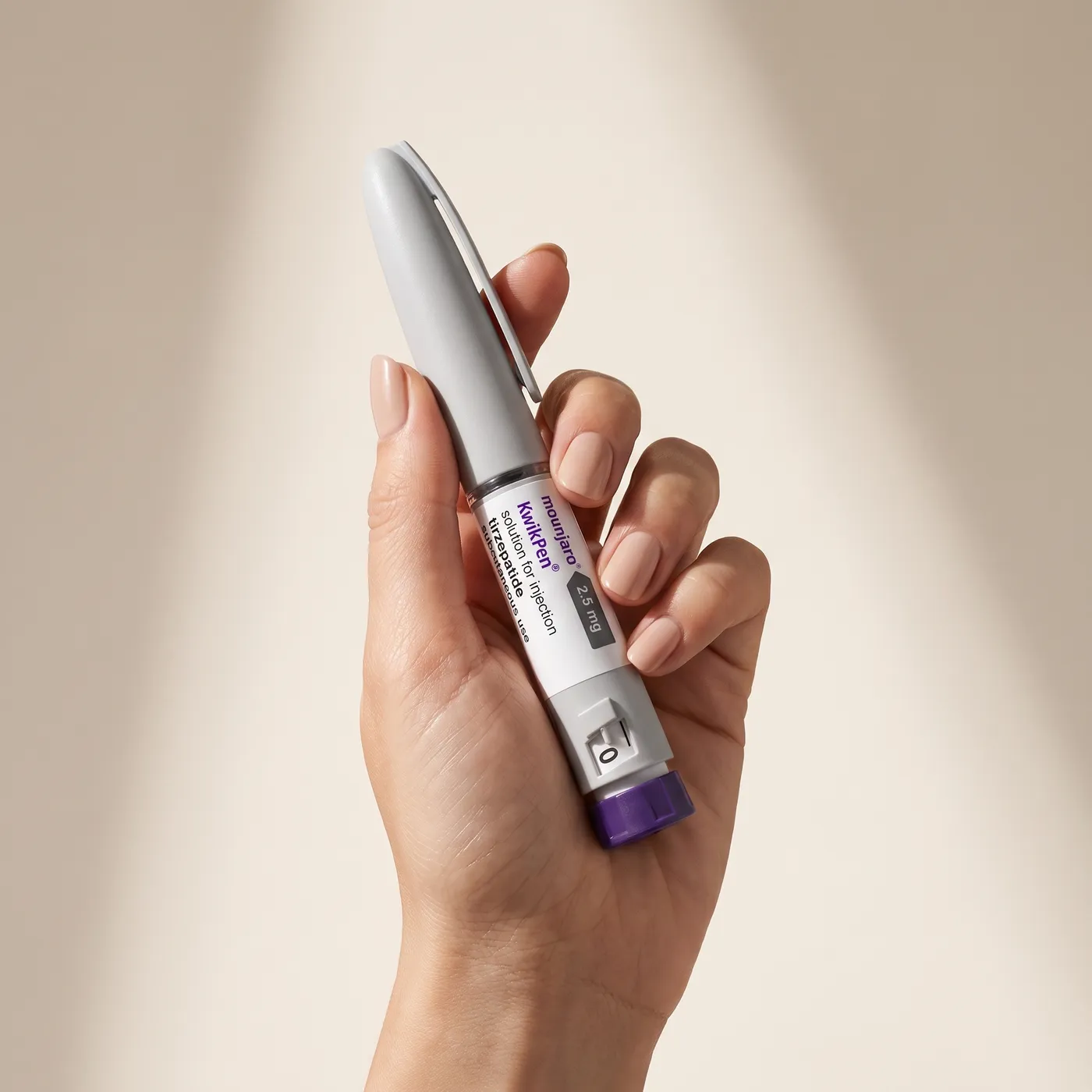
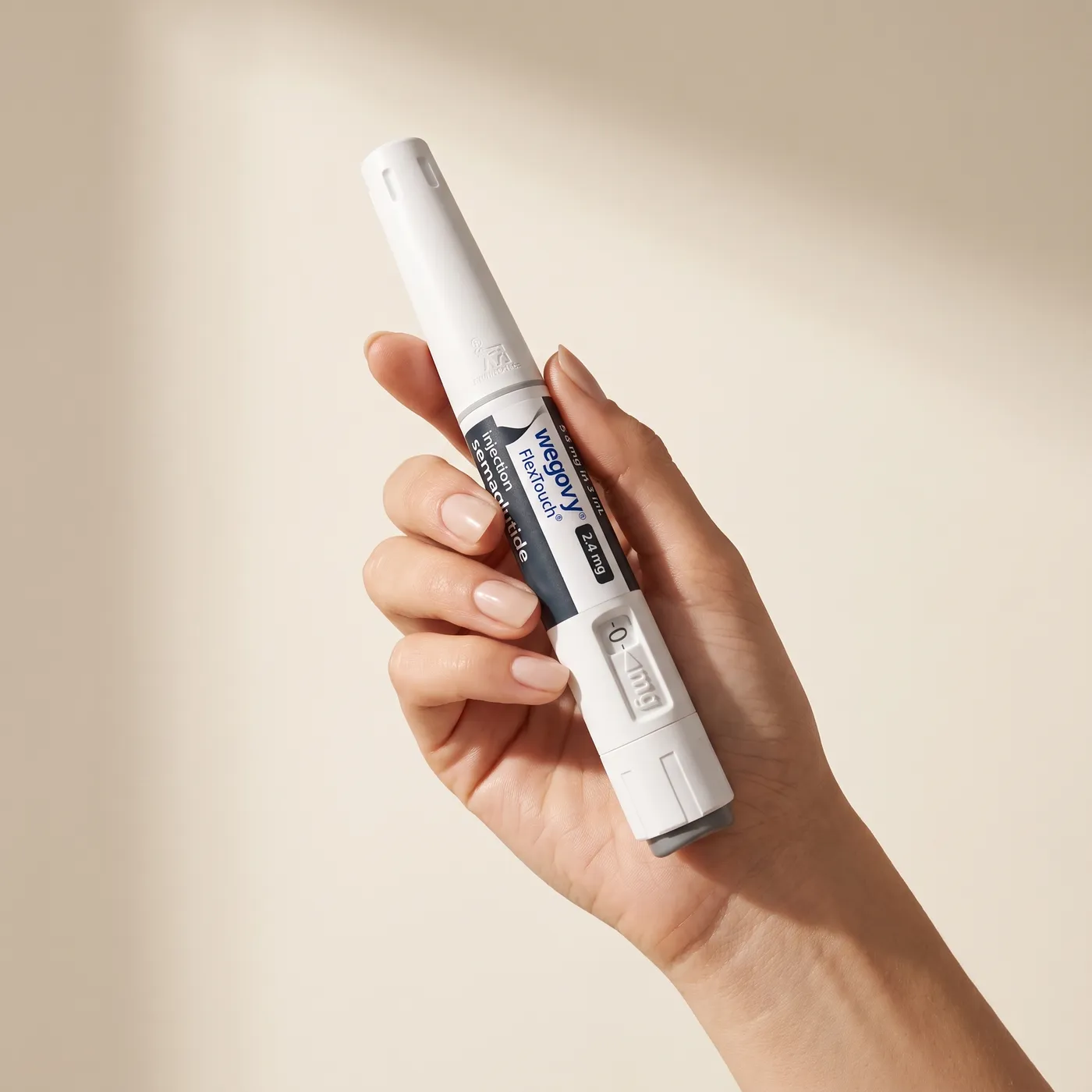
For the specific evidence on activity, see exercise and erectile function. Where weight is substantial and linked to conditions like type 2 diabetes, medical weight-management options exist and are assessed by a clinician, including GLP-1 weight-loss treatments, which can produce substantial weight loss and, by improving the metabolic picture, may indirectly help erectile function too. The British Association of Urological Surgeons lists losing excess weight, stopping smoking and cutting alcohol among the lifestyle steps that support erectile function, and they are worth putting in place whether or not you also use treatment.
Setting expectations
Weight loss is a lever, not a switch. For a man whose erectile difficulties are largely weight-driven, losing weight can make a real difference; for others it is one contributor among several, and treatment may still be needed. Either way, it improves the underlying health that erections depend on, so it is worth doing regardless, and it is worth discussing with a GP, who can look at the whole picture rather than the erection alone.