




Here's what we'll cover
A plant-based diet works well alongside GLP-1 treatment, and its high fibre and nutrient density are a genuine plus. Because a GLP-1 reduces appetite, the two things to plan for are getting enough protein and covering a few key nutrients while you are eating less. With a little thought, both are straightforward.
What is a GLP-1?
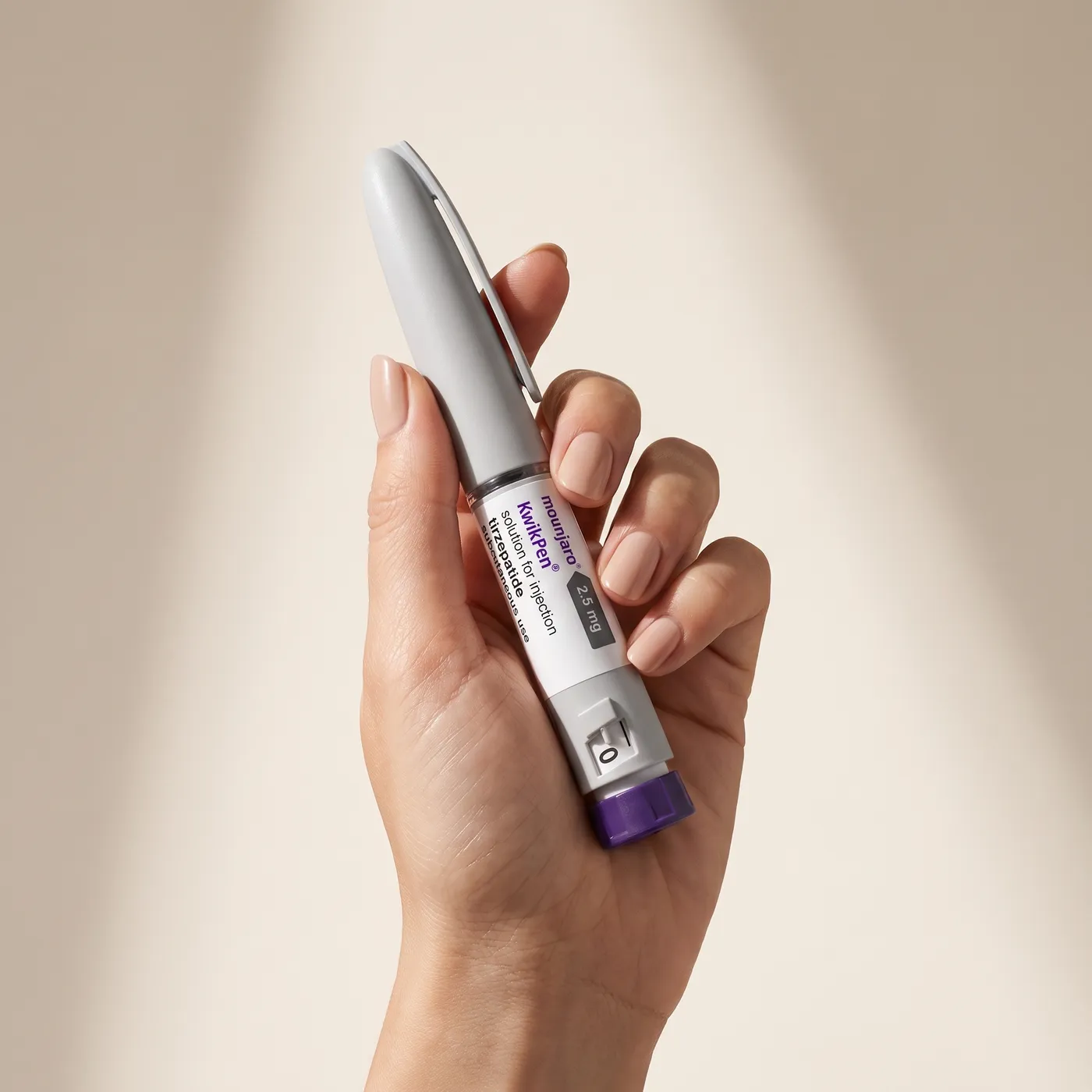
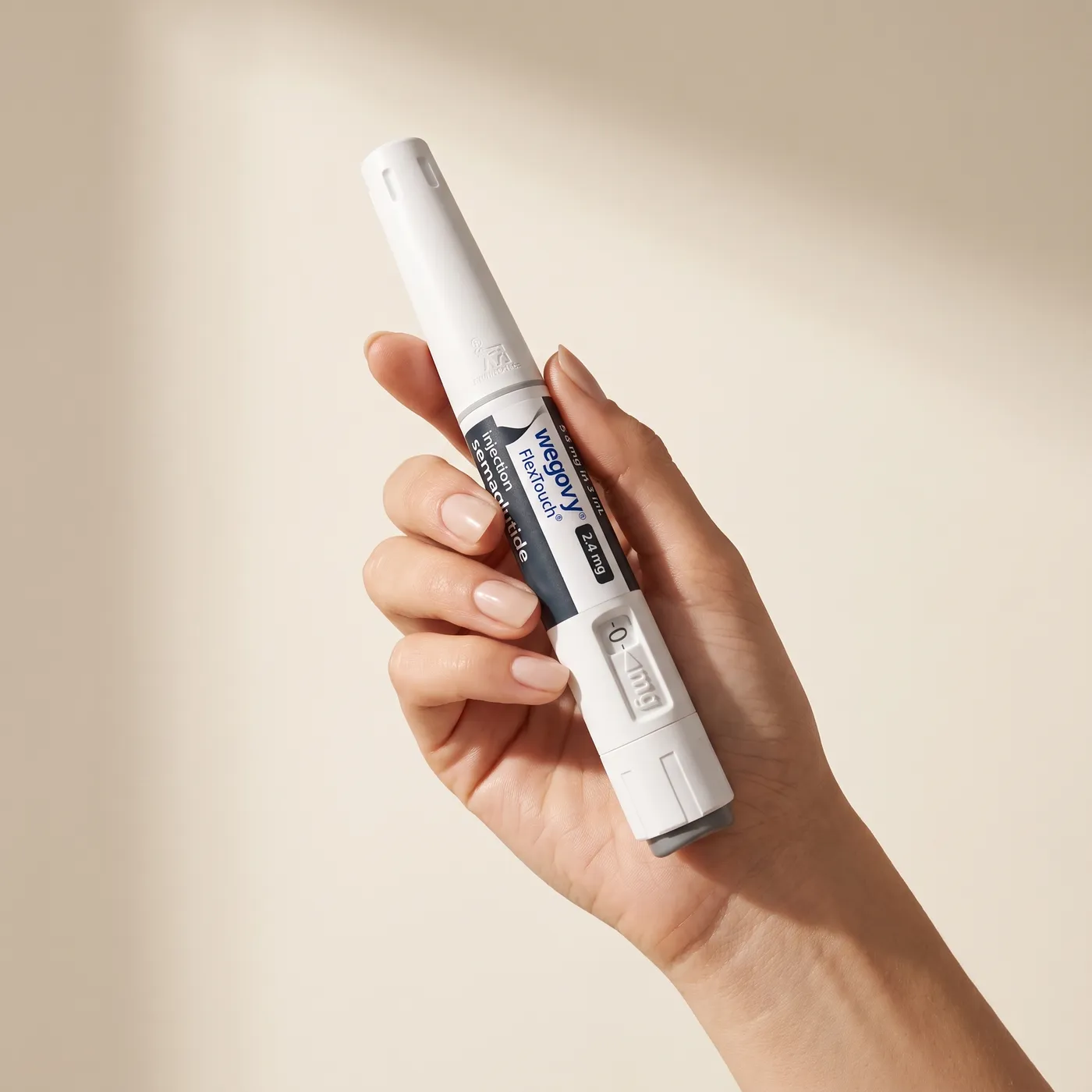
GLP-1 stands for glucagon-like peptide-1, a hormone the gut releases after eating that signals fullness and helps control blood sugar. GLP-1 medicines, such as semaglutide and tirzepatide, mimic this hormone to reduce appetite and support weight loss. We explain the mechanism in more detail in how GLP-1 weight-loss treatments work. The practical point for diet is simple: on a GLP-1 you feel full sooner and eat less overall, so each meal has to deliver more nutrition in a smaller volume.
In the UK, a GLP-1 is prescribed for weight management or type 2 diabetes and taken as a weekly or daily injection or, more recently, as a tablet. Whichever form you are on, the appetite-reducing effect is the same, and it tends to be strongest in the days after a dose. Plant-based eaters often find the fibre in their diet a good match for this, because it keeps meals satisfying even when portions are small.
A good fit, with planning
Plant-based diets tend to be high in fibre and nutrient-dense, both helpful during weight loss. On treatment, the challenge is that plant proteins are often less concentrated than animal ones and can be filling, so on a smaller appetite it takes a little thought to get enough protein in. The fibre is an advantage rather than a problem, and it also helps with the constipation that a GLP-1 can cause, as we cover in fibre and digestive health.
Getting enough protein
Protein matters more than usual on a GLP-1, because eating less can mean losing muscle as well as fat unless intake stays high and you keep active. Protecting muscle is one of the main reasons protein is prioritised during any weight loss, and it is no different on a plant-based diet. Build meals around concentrated plant proteins and combine sources across the day:
- Beans, lentils and chickpeas.
- Tofu, tempeh and edamame.
- Soya products, including soya milk and yoghurt.
- Nuts, seeds and nut butters in smaller amounts.
- Meat alternatives, checking the label for protein and salt.
The British Nutrition Foundation notes that mixing plant protein sources across the day covers the full range of amino acids, so there is no need to combine them at a single meal. For target amounts and timing on treatment, see protein targets on GLP-1s.
Nutrients to watch
Some nutrients need particular attention on a plant-based diet, and eating less on a GLP-1 makes that more important:
- Vitamin B12: found reliably only in animal foods, so a supplement or fortified foods are advised for vegans.
- Iron: from pulses, tofu, wholegrains and leafy greens; vitamin C helps absorption.
- Calcium: from fortified plant milks, tofu set with calcium, and greens.
- Vitamin D: a supplement is advised, especially in the darker months.
- Omega-3: from flaxseed, chia, walnuts or an algae supplement.
The NHS advises that people following a vegan diet take a B12 supplement, and the British Dietetic Association sets out how to plan a balanced plant-based diet. Because a GLP-1 shrinks the total amount you eat, small gaps in these nutrients close less easily than they would on a larger appetite, so we cover them in more depth in micronutrients on GLP-1s and B12 and plant-based diets.
A sample plant-based day on a GLP-1
You do not need large meals to hit your targets, just concentrated ones. A simple day might start with a soya yoghurt with berries, seeds and a spoon of nut butter, or scrambled tofu on wholemeal toast. Lunch could be a lentil or chickpea bowl with vegetables and a fortified plant milk on the side. An afternoon snack of edamame or a handful of nuts keeps protein topped up between meals, which suits a smaller appetite better than three large plates.
Dinner might lead with tofu, tempeh or a bean-based dish, with a wholegrain and plenty of vegetables. Spreading protein across four or five smaller occasions, rather than trying to fit it all into one meal your appetite may not allow, is usually the most reliable way to get enough on a GLP-1 without feeling overly full.
Putting it together
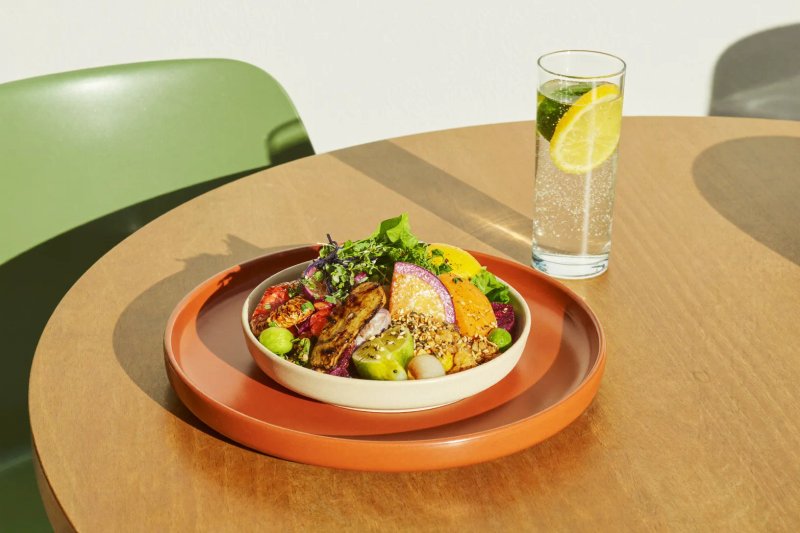
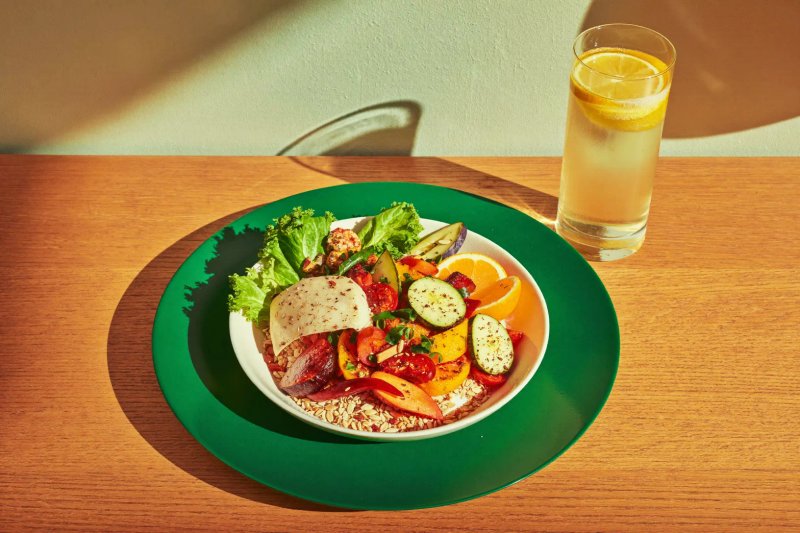
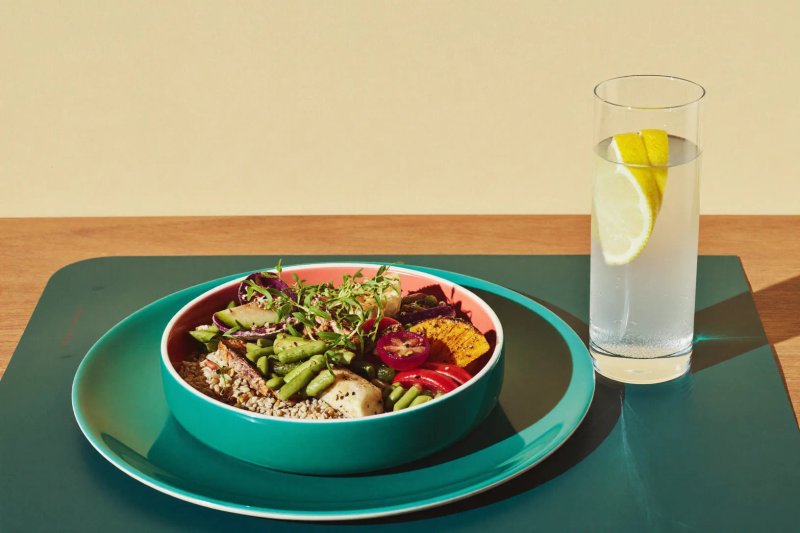
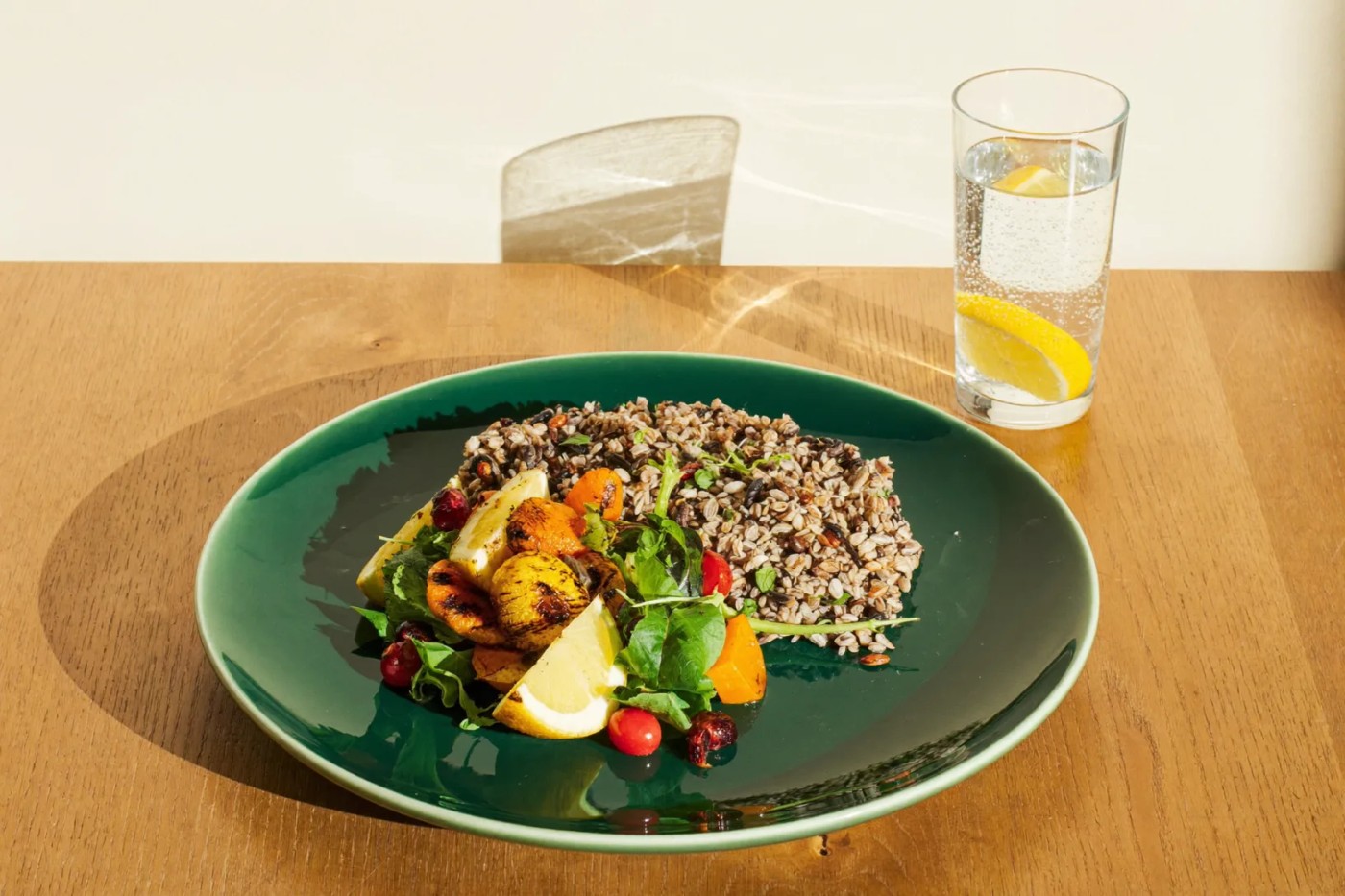
A practical plant-based plate on treatment leads with a concentrated protein, adds plenty of vegetables, includes a wholegrain and some healthy fat, and uses fortified foods where helpful. Variety across the week does most of the work of covering nutrients. If a smaller appetite is making meals hard to finish, the strategies in eating with a reduced appetite apply just as well to plant-based eating: eat little and often, lead with protein, and keep drinks separate from meals so you leave room for food.
Getting support
If you are newly plant-based or unsure whether you are getting enough, a registered dietitian can help you plan, and your clinician can advise on supplements alongside your treatment. This is worth doing rather than guessing, because the combination of a restricted food group and a reduced appetite is where nutrient gaps are most likely to appear over time. It is also sensible to raise any lasting fatigue, hair changes or low mood, since these can be early signs that a nutrient such as iron or vitamin B12 has slipped, and they are simple to check.