








Here's what we'll cover
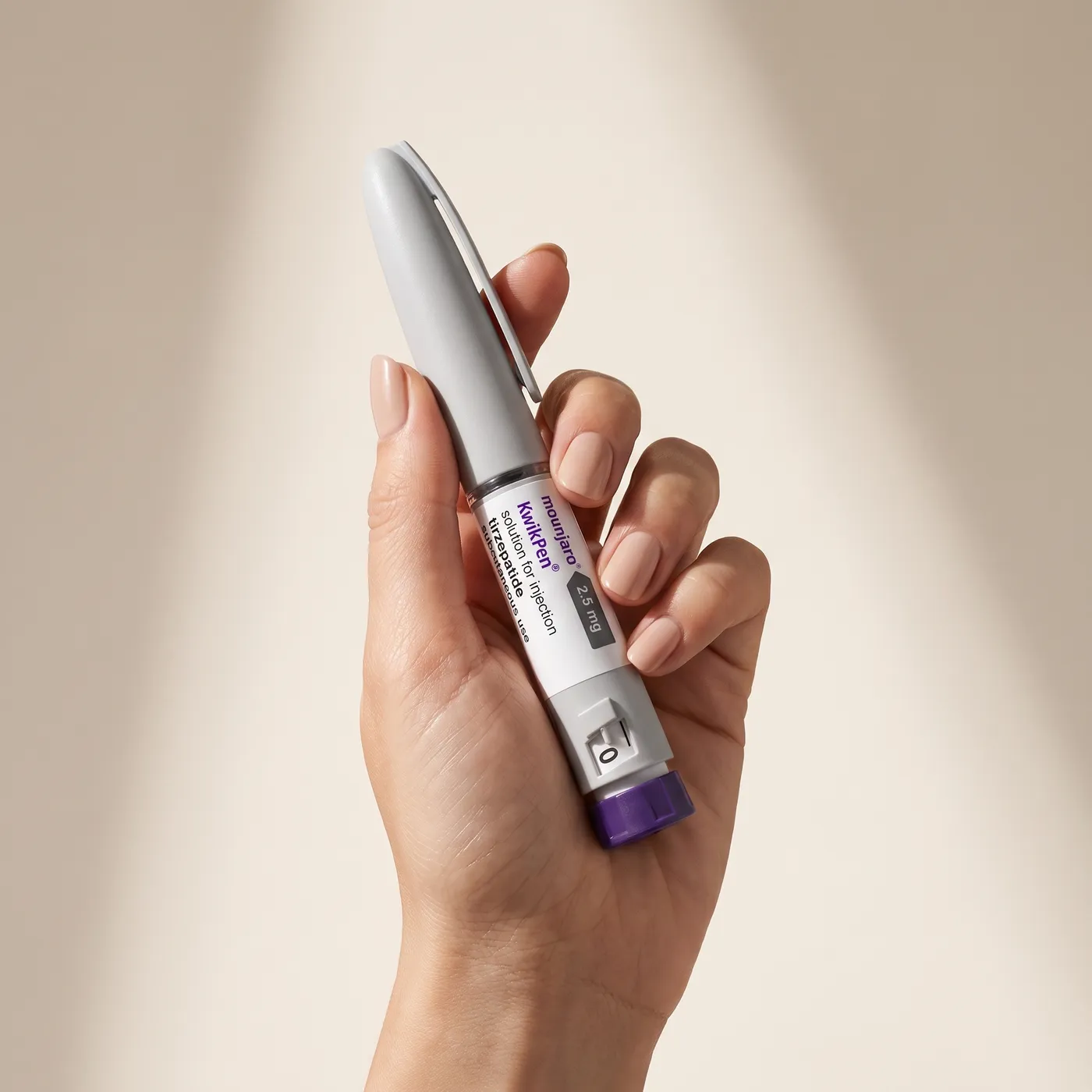
Tirzepatide is the generic name behind Mounjaro, and it represents a genuine step in obesity medicine rather than a marketing iteration: the first licensed medicine to activate two gut-hormone receptors at once. That dual action is why its trial results moved the field, why demand has been extraordinary, and why the name keeps appearing in headlines. This explainer covers what tirzepatide actually is, how the dual-hormone science works, what the trial evidence shows, and where it fits among the weight-loss treatments now available in the UK.
The molecule: one peptide, two receptors
Tirzepatide is a synthetic peptide, a chain of thirty-nine amino acids engineered to imitate two natural gut hormones simultaneously. The first, GLP-1, is the hormone the better-known medicines such as semaglutide mimic: released after eating, it signals fullness to the brain, slows stomach emptying and helps the pancreas release insulin when glucose is high. The second, GIP, is the less famous sibling, involved in insulin response and, it appears, in how fat tissue handles energy, with evidence suggesting it also tempers the nausea that GLP-1 action alone tends to produce. Tirzepatide activates both receptors with one molecule, and a fatty-acid attachment binds it to blood proteins so it survives around five days in the body, which is what makes once-weekly injection possible. Chemistry aside, the practical claim is simple: two complementary appetite and metabolism signals switched on together, rather than one.
What the trials showed
The pivotal weight-management trial, SURMOUNT-1, followed over 2,500 adults with obesity but without diabetes for 72 weeks. Average weight loss reached approximately 15% of body weight at the 5 mg dose, 19.5% at 10 mg and around 21% at 15 mg, against roughly 3% on placebo, with more than half of participants on the top dose losing at least a fifth of their body weight. Those are averages with real spread around them, but they sit above what the GLP-1-only medicines recorded in comparable trials, and head-to-head research since has supported tirzepatide's edge over semaglutide for weight loss. In type 2 diabetes, the SURPASS programme showed strong glucose control alongside the weight effect, which is why the same molecule is licensed for both conditions. Improvements in blood pressure, lipids and waist circumference travelled with the weight loss across the programmes.
How it compares with semaglutide
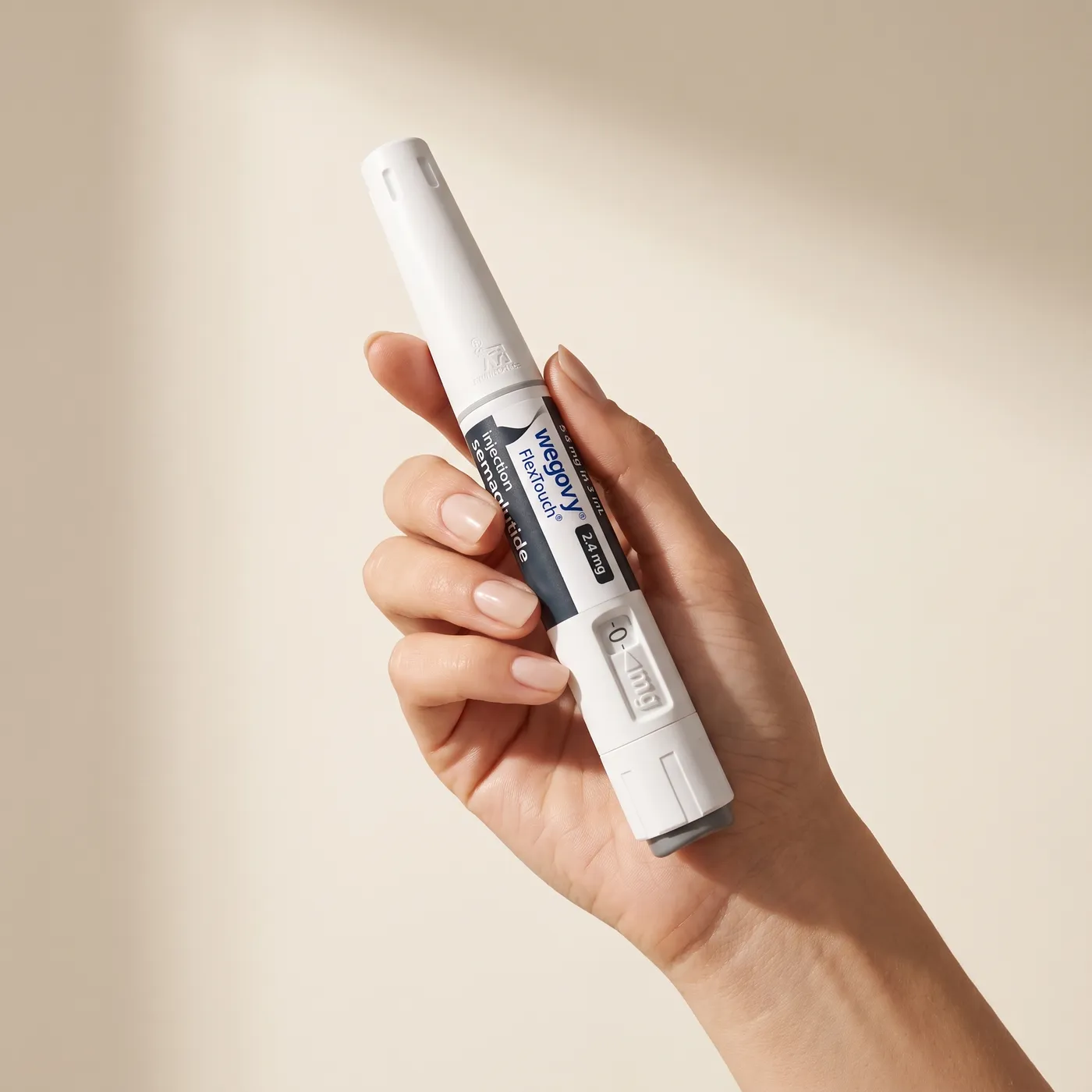
The practical comparison most people want is with semaglutide, the medicine in Wegovy. Both are weekly injections, both step up through doses over months, both produce mainly digestive side effects, and both require the same commitment to eating and activity changes. The differences: tirzepatide adds the GIP action, its trial averages for weight loss run higher, and its dose ladder has six steps to semaglutide's five. Semaglutide counters with a longer track record, including cardiovascular outcome data in people with existing heart disease, and it now exists in a daily tablet form as well. Neither is universally better; response varies between individuals, tolerability differs person to person, and switching between them is an established clinical route when the first choice underdelivers. Our comparison of Mounjaro and Wegovy, and of the Wegovy pill versus Mounjaro, walk through that decision in detail.
Side effects and the honest caveats
Tirzepatide's side-effect profile is the familiar GLP-1 family picture: nausea, constipation, diarrhoea and reflux, most common around dose increases and usually settling as the body adapts, which is exactly why the dose climbs in four-week steps rather than starting at strength. Rarer but serious considerations, pancreatitis, gallbladder disease with rapid weight loss, and the pregnancy restrictions, are the reasons this is a prescription medicine with proper screening rather than a consumer product. Two caveats deserve equal billing. First, stopping tends to unwind the benefit: trial extensions show substantial weight regain over the year after discontinuation, so treatment is best understood as ongoing management of a chronic condition rather than a course with a finish line. Second, the trials wrapped the medicine in dietary and activity support, and the headline results assume that context; the injection amplifies behaviour change, it does not replace it, and participants who treated it as a licence to eat unchanged did not get trial-average outcomes.
Who it suits and how it is accessed
The UK licence for weight management covers adults with a BMI of 30 or above, or 27 and above with at least one weight-related condition such as high blood pressure, type 2 diabetes or sleep apnoea, always alongside a reduced-calorie diet and increased activity. NHS access is being phased in from the highest clinical need downwards, while regulated private pharmacies prescribe to the licence criteria after proper consultation; our article on getting Mounjaro on the NHS maps that landscape. Suitability is individual: pregnancy and breastfeeding rule it out, certain digestive, pancreatic and eye conditions need weighing, and other medicines need checking, which is exactly the work a genuine prescriber consultation does. Anyone offering tirzepatide without those questions is a red flag, not a shortcut.
In summary: tirzepatide is the first dual GLP-1 and GIP agonist, the active medicine in Mounjaro, with the strongest average weight-loss results yet recorded for a licensed obesity medicine and a side-effect profile in line with its class. It is a weekly injection, a months-long dose ladder, and a long-term commitment that works with lifestyle change rather than around it. For the practical layers, see our guides to how Mounjaro works, how long it takes, and how to inject it properly.